

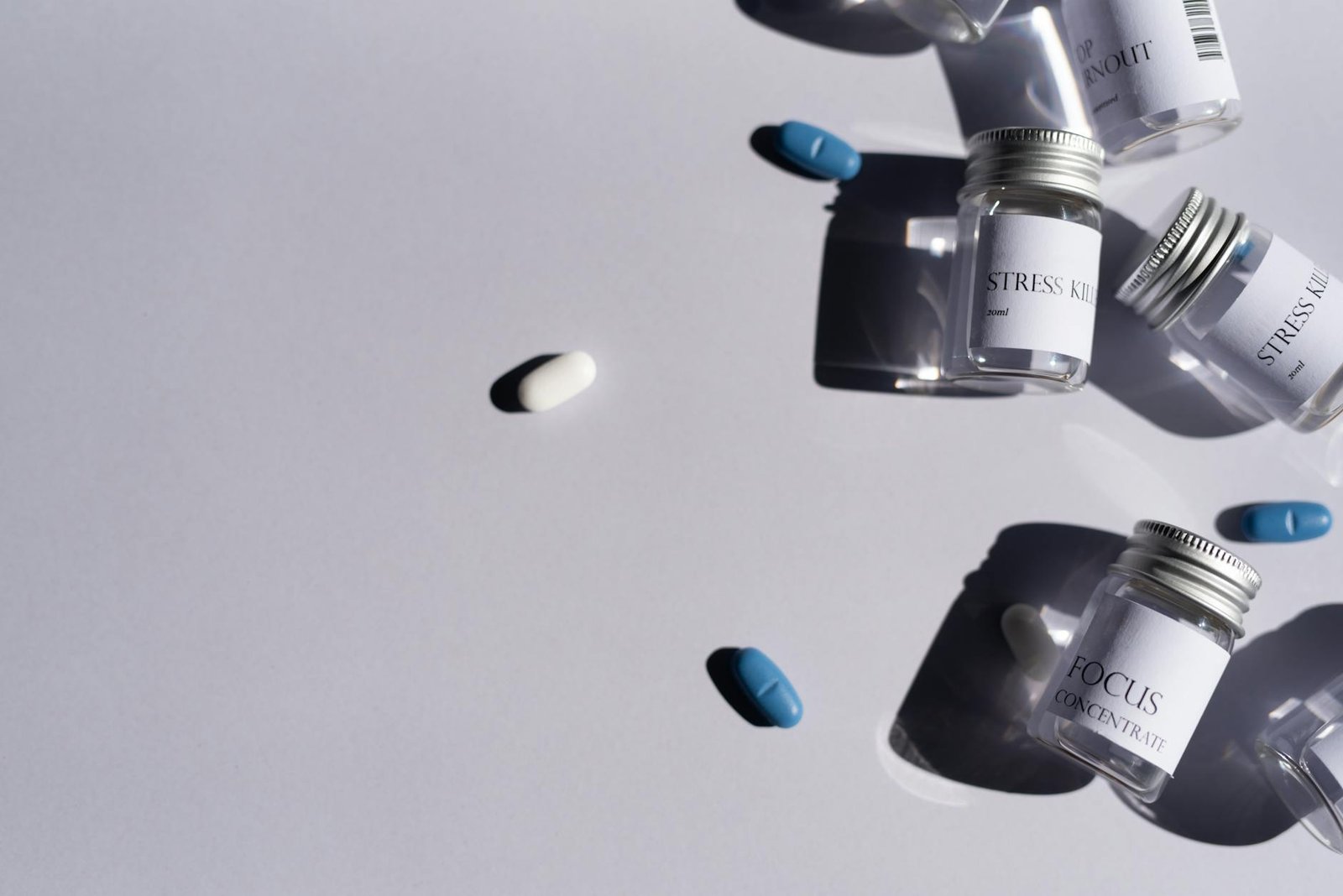
Herbal wellness spending often looks harmless: a $22 sleep tincture here, a $38 hormone blend there. But the bigger risk is not just what the bottle costs. It is what happens when an herb interacts with a prescription, masks a serious symptom, or leads you to delay care that would have been cheaper, clearer, and safer if you had gotten it sooner. Federal health agencies warn that supplements can interact with medicines, may not contain exactly what the label suggests, and generally are not reviewed by the FDA for safety and effectiveness before they are sold. (nccih.nih.gov)
Warning: This article is informational and not medical advice. For symptoms, interactions, pregnancy, surgery, or questions about a child or older adult, the right standard is a licensed clinician or pharmacist, not an influencer, store clerk, or affiliate account. If you have trouble breathing, chest pain, fainting, or throat swelling after taking an herb, call 911. (medlineplus.gov)
Why this matters more than most wellness shopping decisions
NCCIH identifies two major supplement safety concerns: drug interactions and product contamination. NCCIH and ODS also note that some supplements have been linked to liver injury, and ODS cites an estimate of about 23,000 emergency department visits in the United States each year tied to dietary supplements. That is why the useful question is not whether herbs are natural. It is whether your specific product, dose, symptoms, and medication list make self-treatment a bad bet. (nccih.nih.gov)
People tend to overlook the financial side of this. The visible cost is represented by the bottle. However, there are many other “invisible” costs associated with this. This may include needing an office visit for your prescription, lab work that may follow your visit, a subscription that you have forgot to cancel, and the time that you lose from work due to this prescription. Ultimately, if you ignore a true red flag, the costs could pile up, potentially leading to a larger bill than if you were to address it sooner.
Use the ROOTS Triage before you buy or keep taking it
A simple screening tool can assist; ROOTS Triage tool. This method is not used for diagnosis; rather it is utilized to determine when a bottle should no longer be classified as DIY, but rather transitioned to counselling by the clinician.
- R: Reaction. You developed a new symptom after starting, restarting, increasing, or combining herbs.
- O: Other medicines. You take prescriptions with meaningful interaction risk, such as warfarin, digoxin, anti-seizure medicines, transplant drugs, antidepressants, or birth control. St. John’s wort and ginkgo are well-known examples. (nccih.nih.gov)
- O: Obstetric or operating room issues. You are pregnant, breastfeeding, planning surgery, recovering from surgery, giving the product to a child, or helping an older adult use it. (nccih.nih.gov)
- T: Treating a symptom that needs diagnosis. You are using herbs instead of getting a persistent or recurring health problem evaluated.
- S: Source or stacking problem. The product makes disease-cure claims, comes from a sketchy seller, hides doses in a proprietary blend, or falls into higher-risk categories such as weight loss, sexual enhancement, or bodybuilding. (consumer.ftc.gov)
If you are in the R box and the result is “yes” for at least 1 emergency condition this is your sign to go to the emergency department. If you have received a “yes” to any of the other boxes (O, T, S), speak with a pharmacist or clinician before taking your next dose. If you have answered “yes” to 2 or more of the boxes you should have a same-day or next-day follow-up.
When it stops being a supplement question and becomes an urgent care question
The most important red flags are symptom-based, not brand-based. Trouble breathing, throat tightness, trouble swallowing, chest pain that does not go away, crushing pressure, fainting, severe dizziness, sudden sharp abdominal pain, persistent vomiting, or yellowing of the skin or eyes after starting an herb are not wait-and-see problems. Severe allergic reactions can involve shortness of breath and throat swelling; chest pain with dizziness, sweating, nausea, or shortness of breath needs immediate care; sudden sharp abdominal pain warrants prompt medical attention; and jaundice or dark urine can point to liver trouble. (medlineplus.gov)
Do not try to troubleshoot those symptoms by switching brands, cutting the dose in half, or waiting for online comments. Bring the bottle, or a clear photo of the label, ingredient panel, lot number, and the time of your last dose. The FDA encourages reporting serious reactions, and MedlinePlus advises bringing the container when possible. (fda.gov)

A practical decision table
| Red flag | Who to contact | How fast | Why it matters |
|---|---|---|---|
| Trouble breathing, throat swelling, chest pain, fainting, or severe allergic symptoms after an herb | 911 or the ER | Now | Could be anaphylaxis or another emergency. (medlineplus.gov) |
| You take warfarin, digoxin, transplant meds, anti-seizure meds, antidepressants, birth control, or other prescription drugs and want to add an herb | Pharmacist or prescribing clinician | Before the next dose, ideally before starting | St. John’s wort and ginkgo are well-known interaction examples. (nccih.nih.gov) |
| You are pregnant, breastfeeding, helping a child use herbs, or have surgery coming up | OB or midwife, pediatrician, surgeon, or anesthesia team | Before use; as far ahead of surgery as possible | Safety data are limited for many supplements, and some raise bleeding or anesthesia concerns. (nccih.nih.gov) |
| The product is sold for weight loss, sexual enhancement, or bodybuilding, or it claims to cure a disease | Clinician or pharmacist before use | Before buying or continuing | These categories have been linked to hidden drugs or deceptive claims. (fda.gov) |
| Dark urine, jaundice, unusual bruising, nosebleeds, severe rash, or sudden abdominal pain after starting an herb | Urgent care or your clinician | Same day | Possible liver injury, bleeding risk, or another serious adverse effect. (nccih.nih.gov) |
A diagnosis you are delaying can cost more than the bottle
A second category of red flag has nothing to do with contamination. It is the symptom you are trying to self-manage. FTC consumer guidance warns that it is risky to stop or delay proven treatment, and the FDA says supplements should not replace prescription medicine. If an herb is standing in for evaluation of recurring depression, severe anxiety, unexplained fatigue, abnormal bleeding, persistent digestive pain, chest symptoms, or another problem that keeps coming back, the professional visit is not overkill. It is the point. (consumer.ftc.gov)
Consider an illustrative case. Martin, 61, takes warfarin and buys ginkgo for $18 plus a $34 brain-support blend after reading memory claims. A week later, he notices easy bruising and two nosebleeds. He stops the products, pays a $40 primary care copay, and owes $25 in lab cost-sharing for INR testing. His out-of-pocket total is now $117, not counting time off work. If the bleeding had sent him to the ER, the cost could climb quickly. The lesson is not that every herb causes harm. It is that a low-cost supplement can become a high-cost problem when it changes a narrow-range medication. NCCIH specifically warns that ginkgo may raise bleeding risk with warfarin. (nccih.nih.gov)
When the bottle itself is the red flag
Some products wave the warning flag before you ever open them. Be skeptical if the label claims to cure, treat, or reverse a disease; if the ad leans on fake urgency; if it says FDA-approved; if it hides ingredients in a proprietary blend; or if it is sold for weight loss, sexual enhancement, or bodybuilding. FTC consumer guidance says supplements claiming quick cures for serious problems are not proven, and the FDA and NCCIH repeatedly warn that products in those higher-risk categories have been found with hidden prescription drugs or other undeclared ingredients. (consumer.ftc.gov)
- Disease-cure language or “clinically proven” claims that sound bigger than the evidence. (consumer.ftc.gov)
- No clear Supplement Facts panel or no exact amount of each active ingredient. (fda.gov)
- A stack of several herbs plus stimulant-like ingredients when you already use prescription medicines.
- Auto-ship subscriptions that make it expensive to stop even when symptoms change.
- Black cohosh or ashwagandha use followed by dark urine, fatigue, jaundice, or other liver-warning symptoms. (nccih.nih.gov)
What to do before the next dose
- Pause the product and do not take another dose until a pharmacist or clinician reviews it if you suspect a reaction or interaction. If symptoms are severe, skip the advice line and seek urgent care or call 911. (medlineplus.gov)
- Make a one-page list of every prescription, over-the-counter drug, supplement, tea, tincture, and gummy you use. ODS offers a supplement and medicine record for this purpose. (ods.od.nih.gov)
- Photograph the front label, Supplement Facts panel, other ingredients, lot number, and where you bought it.
- Write down when you started the product, the dose, the last time you took it, and when symptoms started.
- Call the right professional: pharmacist for interaction screening, primary care or urgent care for new symptoms, OB or midwife in pregnancy, pediatrician for children, surgeon or anesthesia team before a procedure. (nccih.nih.gov)
- Report a serious reaction to the FDA through the Safety Reporting Portal or MedWatch, and keep the bottle in case the clinician wants the exact product details. (fda.gov)

If your first plan falls apart
Backup options matter because supplement problems rarely happen on a convenient schedule. If you cannot reach your regular clinician, call your pharmacist, your insurer’s nurse line, urgent care, or Poison Help at 1-800-222-1222, which MedlinePlus describes as a free, confidential national hotline available 24/7. If the herb is part of self-treatment for depression, suicidal thoughts, or a mental health crisis, call or text 988 for immediate support, and call 911 if there is imminent danger. (medlineplus.gov)
If surgery is coming up, do not assume you can simply stop everything the night before. NCCIH says some supplements can affect anesthesia response, bleeding risk, heart rate, and blood pressure, and some clinicians ask patients to stop all herbal supplements several weeks before elective surgery. (nccih.nih.gov)
Common mistakes that make herbal problems more expensive
- Treating natural as a safety guarantee. NCCIH is explicit that natural does not automatically mean safer or better. (nccih.nih.gov)
- Starting two or three new products at once, which makes it harder to identify the culprit if something goes wrong.
- Forgetting teas, powders, gummies, and tinctures when telling your clinician what you take. ODS and NCCIH both recommend sharing the full list. (ods.od.nih.gov)
- Believing that independent testing equals risk-free use. Third-party programs can help confirm label quality, but they do not replace interaction screening or make a product appropriate for pregnancy, surgery, or chronic disease. (nccih.nih.gov)
- Continuing because you already paid for the bottle. Sunk-cost thinking is expensive when the next step might be an office visit, lab work, or worse.
- Using online weight-loss, sexual-enhancement, or bodybuilding products as a shortcut. Those are exactly the categories federal agencies warn about most. (nccih.nih.gov)
How to pressure-test any herbal advice
A good rule is to verify three things: the ingredient, the evidence, and the fit with your medication list. Start with the FDA’s Dietary Supplement Ingredient Directory to see whether the agency has published actions or communications about the ingredient. Then check NCCIH’s Herbs at a Glance or HerbList for safety notes, interactions, and what the science actually shows. Finally, read the label for exact doses and look for independent third-party testing such as USP or NSF. None of those steps replaces a clinician review, but together they can help you avoid paying premium prices for a low-trust product. (fda.gov)
- Search the single ingredient, not just the marketing name.
- Look for exact amounts, not just a blend name.
- Check whether the product is making disease-treatment claims.
- Compare every ingredient against your medication list with a pharmacist.
- Save your receipt and cancel auto-ship before the next billing date if you are still unsure.
Bottom line
Herbal wellness becomes riskier when it combines two things: uncertainty and delay. If you have urgent symptoms, a risky medication mix, pregnancy, upcoming surgery, or a product that looks more like a cure ad than a supplement label, the smartest move is usually to stop improvising and call a qualified professional before the next dose. That protects your health, and it can protect your wallet too. (nccih.nih.gov)
FAQ
Is a pharmacist really the right person for herb questions?
Yes, especially for interaction checks. ODS encourages people to share supplement use with healthcare providers, including pharmacists, and NCCIH highlights drug interactions as a major safety concern. If you also have symptoms, a clinician may need to examine you. (ods.od.nih.gov)
Does third-party testing mean a supplement is safe for me?
No. Third-party testing can help confirm quality and whether a product contains what is on the label, but it does not rule out drug interactions, pregnancy concerns, surgery risks, or side effects. (nccih.nih.gov)
Should I tell my surgeon about herbal teas and tinctures, or just capsules?
Tell the surgical team about all of it. NCCIH says supplements can affect bleeding, blood pressure, heart rate, and anesthesia response, and some clinicians ask patients to stop herbal supplements weeks before elective surgery. (nccih.nih.gov)
What if the supplement seems to help a little?
Partial relief does not erase a red flag. If the product is masking symptoms that keep coming back, or if you are using it instead of getting a real problem evaluated, FTC and FDA guidance suggest stepping back and involving a qualified professional. (consumer.ftc.gov)
How do I report a bad reaction to an herbal supplement?
The FDA says to stop using the product if it may have caused a serious reaction or illness and submit a safety report through the Safety Reporting Portal or MedWatch. Keep the bottle and label details. (fda.gov)
References
- NCCIH: Using Dietary Supplements Wisely – https://www.nccih.nih.gov/health/using-dietary-supplements-wisely
- ODS: Dietary Supplements: What You Need to Know – https://ods.od.nih.gov/factsheets/WYNTK-Consumer/
- ODS: Dietary Supplements: What You Need to Know and medicine record – https://ods.od.nih.gov/factsheets/WYNTK/
- NCCIH: St. John’s Wort – https://www.nccih.nih.gov/health/st-johns-wort
- NCCIH: Ginkgo – https://www.nccih.nih.gov/health/ginkgo/index.html
- NCCIH: Ashwagandha – https://www.nccih.nih.gov/health/ashwagandha
- NCCIH: Black Cohosh – https://www.nccih.nih.gov/health/black-cohosh
- NCCIH: Dietary and Herbal Supplements – https://www.nccih.nih.gov/health/supplements
- NCCIH: How Medications and Supplements Can Interact – https://www.nccih.nih.gov/health/know-science/how-medications-and-supplements-can-interact/tips-on-reading-supplement-labels
- NCCIH: HerbList app – https://www.nccih.nih.gov/health/herblist-app
- NCCIH: Herbs at a Glance – https://www.nccih.nih.gov/health/herbsataglance
- FDA: Dietary Supplements – https://www.fda.gov/consumers/consumer-updates/fda-101-dietary-supplements