

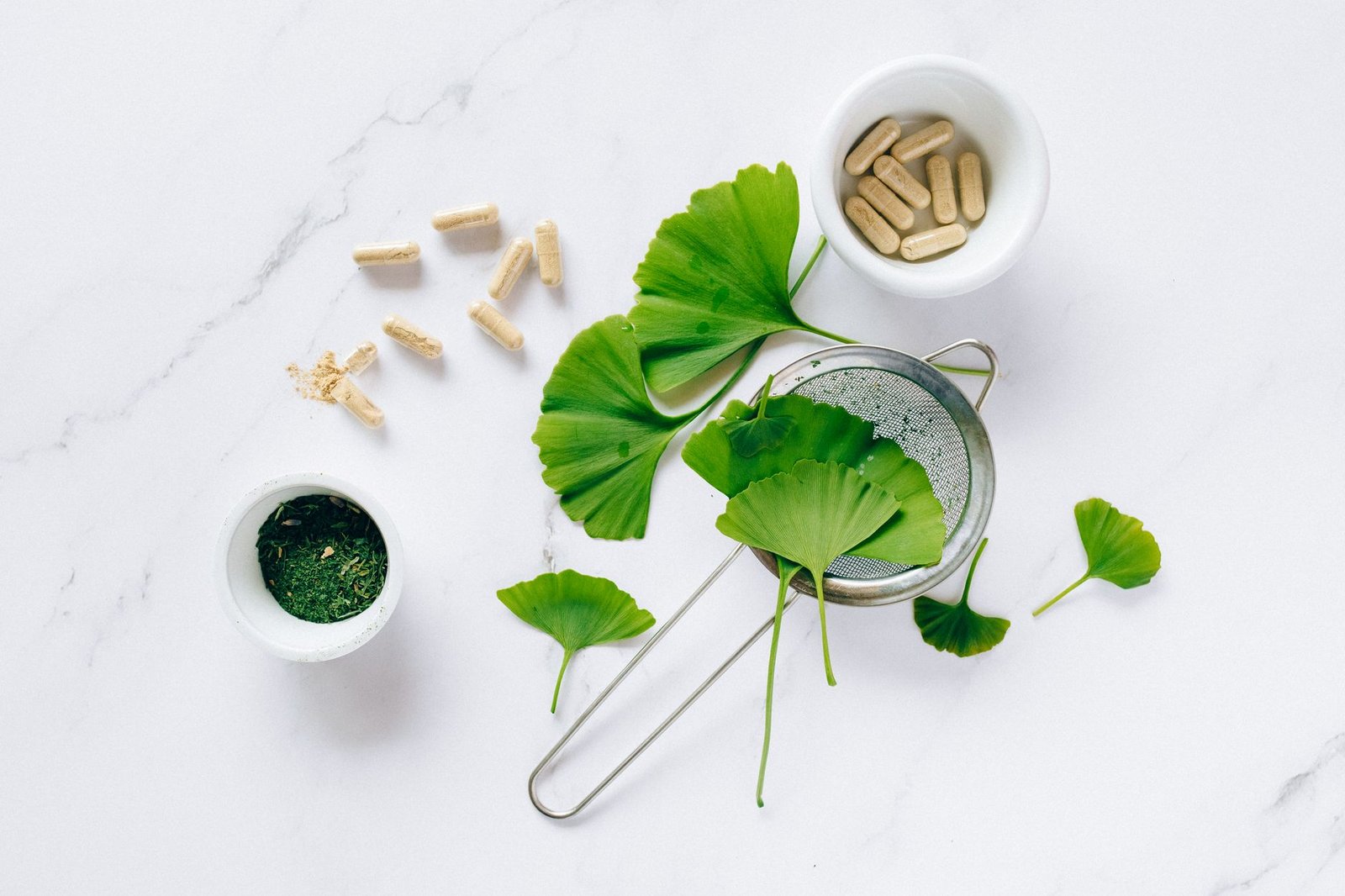
If you shop for the same herb in four different formats, you can end up with four very different budgets and four very different odds of actually using the product. That matters because herbal products are commonly sold as capsules, powders, liquids, extracts, and teas, while the FDA generally does not approve dietary supplements for safety or effectiveness before they reach the market. For U.S. shoppers, format is not just a wellness preference. It affects monthly cost, label transparency, convenience, and the likelihood that a product becomes an expensive jar in the cabinet instead of part of a routine you can realistically keep. (nccih.nih.gov).
Informational only. Herbal products can interact with medications, medical conditions, pregnancy, breastfeeding, and surgery plans. The FDA and NCCIH both advise talking with a qualified clinician or pharmacist before using a supplement if any of those apply, and supplements should not replace needed medical care. (fda.gov)
TL;DR
- Compare the 30-day cost, not just the bottle price. Serving size and servings per container usually tell you more than the front label. (ods.od.nih.gov)
- Capsules are usually the easiest to compare, teas often involve the lowest commitment, tinctures can be convenient but expensive, and powders can be a strong value only if you will actually measure and use them. That format ranking is an editorial judgment grounded in how these products are labeled and used. (nccih.nih.gov)
- For botanicals, look for the plant name, plant part, amount per serving, and other ingredients. Proprietary blends deserve extra caution. (ods.od.nih.gov)
- Do not treat polished packaging as proof of anything. The FDA says it does not approve dietary supplements before they are sold. (fda.gov)
- Third-party programs such as USP Verified and NSF certification can add quality checks, but they are not proof that a product will help a specific symptom. That final point is a consumer inference based on what those programs say they test. (usp.org)
Why format changes the value
Most shoppers focus on the herb name and the marketing claim. A better comparison starts with the less exciting details: serving size, servings per container, amount per serving, other ingredients, and whether the product clearly identifies the botanical. The Office of Dietary Supplements notes that supplement labels should include Supplement Facts and, for botanicals, the scientific or common name and the plant part used. The FDA also requires core label elements such as product identity, manufacturer or distributor information, and other ingredient disclosures. (ods.od.nih.gov)
Format changes how easy that information is to use. Capsules are easy to count. Tinctures require milliliter math. Powders may need measuring. Herbal teas are common products too, but some are sold more like conventional foods than dietary supplements, which can change the label format you see. That does not make one format better by itself, but it does affect how confidently you can compare products on price and dose. That last point is an editorial inference; the regulatory distinction between supplements and conventional foods comes from the FDA framework discussed by MedlinePlus. (medlineplus.gov)
Use the LEAF test before you buy
The LEAF test is a helpful way to compare formats. You would rate four different aspects of each format: Label Clarity, Ease of Dosing, Annualized Cost, and Fit with your Routine. Each aspect is rated from 1-5; if a format scores between 16-20 points it is typically a solid candidate. If the format scores less than 12, it will usually require an extremely good reason to warrant its purchase. Keep in mind that this is an editorial tool for consumers and not an approved medical standard.
- Label clarity: Can you quickly find the herb’s name, plant part, amount per serving, serving size, and other ingredients? Be cautious with proprietary blends because they can obscure how much of each ingredient you are getting. (ods.od.nih.gov)
- Ease of dosing: Can you take the same amount consistently? Capsules usually score highest for routine use; liquids and powders can work well if the dropper, scoop, or directions are clear. That comparison is a usability judgment rather than a regulatory claim. (nccih.nih.gov)
- Annualized cost: Ignore the sticker price. Calculate the real monthly cost from servings per container and your actual pattern of use. (ods.od.nih.gov)
- Fit with your routine: If you travel, dislike pills, avoid alcohol, or know you will not brew tea every day, that matters just as much as the ingredient list. If you take medication or have a medical condition, it matters even more because herbs can interact with medicines and care plans. (nccih.nih.gov)

How each format usually behaves in real life
Capsules: the easiest option to compare
Capsules are often the cleanest format for budgeting because the count is obvious and daily use is simple. They are usually the easiest option for shoppers who want portability and a repeatable routine. The downside is that some capsule products bury important details in blends or fillers, and a bigger milligram number is not automatically better if the label is vague. ODS also notes that terms like “standardized” do not have a legal or regulatory definition for dietary supplements in the United States, so shoppers should not treat that word as a guarantee of quality or effectiveness. (ods.od.nih.gov)
Teas: low commitment, less dosage precision
Tea is often the easiest way to start because the upfront cost is usually lower and buyer’s remorse tends to be smaller. Spending ten dollars on a tea you dislike hurts less than spending thirty dollars on a tincture you never finish. The tradeoff is precision. Tea can be harder to compare by dose, and its value drops quickly if you need multiple bags or cups per day. MedlinePlus lists teas among common herbal product forms, and some tea products may be sold as foods rather than supplements, so the package may not look like a typical Supplement Facts panel. That label difference is an inference from the FDA’s food-versus-supplement framework. (medlineplus.gov)
Tinctures: flexible, but easy to overspend
Tinctures and liquid extracts appeal to people who do not like pills or who want flexible serving sizes. The money trap is refill pace. A small bottle can look manageable on the shelf and still become the most expensive option once you calculate how many days it actually lasts. For liquids, compare milliliters per serving, total bottle size, and the list of other ingredients, including alcohol or sweeteners if present. The FDA’s labeling materials note that liquid extracts have specific listing requirements, and general supplement labels still need clear serving information and other ingredient disclosures. If alcohol is a concern, or if you take medication, this format deserves extra scrutiny. (fda.gov)
Powders: strong value only if you can live with the routine
Powders can offer the best math on paper because you often buy a larger amount at once. They also give you flexibility if you prefer to mix a product into food or drinks. But powders are where behavior matters most. Measuring errors, taste fatigue, clumping, storage issues, and travel hassles can turn the cheapest unit cost into wasted money. If you know you will not scoop it, stir it, and actually use it, the giant pouch is not a bargain. That is an editorial budgeting conclusion, but it fits the broader FDA and NCCIH guidance that serving size, directions, and real-world safety matter. (nccih.nih.gov)
Decision table: which format fits which buyer?
| Format | Usually best for | Budget upside | Main watch-out | Pass if… |
|---|---|---|---|---|
| Capsules | Travel, consistent daily use, easy tracking | Simple monthly math and low routine friction | Blends, fillers, vague extract language | You cannot verify the herb amount or plant part |
| Tea | Occasional use, low-risk trial, buyers who care about taste and ritual | Low upfront cost and easy exit if you dislike it | Less precise comparisons and higher cost if you need several servings daily | You need tight dose tracking or know you will not brew it |
| Tincture | Shoppers who dislike pills and want flexible liquid dosing | Can be convenient in small volumes | High refill frequency, alcohol or sweetener issues, mL math | The bottle is small, the label is vague, or the cost per month is clearly highest |
| Powder | Buyers who want bulk economics and do not mind mixing | Often strong unit economics | Mess, taste fatigue, inconsistent measuring, pantry waste | You already know you hate the prep work |
A 30-day shopping example
Consider a shopper comparing four ginger products for a 30-day routine. A tea priced at $8.49 for 20 bags, used at two bags per day, costs $16.98 for the month. Capsules priced at $17.99 for 60 capsules, used at two capsules per day, cost $17.99 for the month. A tincture priced at $24.99 with about 29.5 daily servings works out to about $25.41 for 30 days. A 227-gram powder priced at $19.99 with a 2-gram daily serving works out to about $5.28 for 30 days. On monthly cost, the powder wins, capsules and tea are close together, and the tincture is highest in this example.
Now add routine friction. If that powder tastes unpleasant and the shopper uses it for only 10 days before quitting, the effective cost is about $2 per day for the days it was actually used. Suddenly the cheapest format becomes one of the worst buys. That is the core budgeting lesson with herbal products: the best value is not the lowest price per gram. It is the option you will use consistently, can compare clearly, and can use safely within your broader care plan. (nccih.nih.gov)
Common buying mistakes
- Comparing price tags instead of serving size, servings per container, and real monthly cost. (ods.od.nih.gov)
- Assuming a supplement is “FDA approved” because the package looks medical or professional. The FDA says it generally does not approve dietary supplements before marketing. (fda.gov)
- Treating a proprietary blend as a sign of quality when it can hide the amount of each component. (ods.od.nih.gov)
- Ignoring other ingredients such as alcohol bases, sweeteners, binders, or flavoring agents that may affect tolerability or daily use. (fda.gov)
- Using herbs alongside prescription or over-the-counter medicines without checking interactions first. The FDA and NCCIH both warn about this risk. (fda.gov)
- Buying large powder bags or multipacks before you know whether you can tolerate the format. This is more of a budgeting mistake than a labeling mistake.
When your first choice is not working
Sometimes the format problem is really part of a bigger product problem. If a tea is pleasant but becomes too expensive once you calculate multiple daily servings, move to capsules before you keep doubling the tea bags. If capsules are easy to track but upset your stomach, the issue may be the herb, the serving size, or the other ingredients, not just the capsule shell. If a tincture fits your routine but refills are straining your budget, compare it with a capsule or powder version of the same herb and read the labels side by side. And if you are trying to manage a significant symptom, repeated supplement shopping is not a substitute for medical evaluation. The FDA says supplements should not replace prescription medicines or a healthy diet, and both the FDA and NCCIH emphasize that supplements can carry risks. (fda.gov)
- For occasional or trial use, start with a tea or a small capsule bottle rather than a bulk purchase.
- For precise daily use, favor capsules or a clearly marked liquid dropper.
- If you are sensitive to taste or prep time, do not force yourself into powders just because the math looks good.
- If label clarity is poor, switch to a product with stronger disclosure and, when available, a quality mark such as USP Verified or NSF certification. Those programs focus on quality controls and contamination checks, which can improve buying confidence even though they do not establish clinical benefit. (usp.org)
A practical buying checklist
- Pick one product type to compare: single-herb to single-herb, or blend to blend. Do not let a flashy multi-herb formula distract you from a basic comparison.
- Read the serving size, amount per serving, and servings per container before you look at the price. (ods.od.nih.gov)
- For botanicals, confirm the herb name and the plant part used. (ods.od.nih.gov)
- Check the other ingredients list for alcohol, sweeteners, fillers, flavorings, or binders that may affect taste, tolerability, or value. (fda.gov)
- Calculate the 30-day cost based on how you would really use the product, not how the label makes the bottle look.
- Look for a quality-verification mark such as USP Verified or NSF certification when available. (usp.org)
- If you take medication, have a chronic condition, are pregnant or breastfeeding, or have surgery coming up, pause and ask a clinician or pharmacist before buying. (nccih.nih.gov)
How to pressure-test your choice after the purchase
The first audit is simple: did you actually use the product at the pace you expected? The second: did the label give you enough information to buy it again confidently? The third: did it create hidden costs, such as buying mixing tools, extra sweeteners, or replacement products because you hated the taste? Keep a two-week note with dose, time of day, whether you actually took it, and any side effects. If you suspect a serious reaction, the FDA says to report the problem. (fda.gov)
- Compare planned servings to actual servings used.
- Recalculate monthly cost from real usage, not ideal usage.
- If the product made unusually bold disease claims, treat that as a warning sign rather than a selling point. Structure/function claims on supplements carry a disclaimer because the FDA has not evaluated them in the same way it evaluates approved drugs. (fda.gov)
- If the label still feels vague after two readings, walk away next time. Ambiguity is expensive.
Bottom line
The best herbal format is usually the one that gives you clear labeling, consistent use, acceptable routine friction, and a monthly cost you can explain on paper. Capsules usually win for clean comparison. Tea is often the easiest low-risk entry point. Tinctures can be convenient but expensive. Powders can be excellent values only when you are realistically willing to measure and use them. Whatever you choose, do not confuse format, branding, or a glossy label with FDA approval or proof that a product will work for you. (fda.gov)
FAQ
Are capsules better than tea?
Not automatically. Capsules usually make cost and serving comparisons easier, while tea often has a lower upfront cost and may suit occasional use better. The better choice depends on whether you care more about convenience and repeatability or a lower-commitment format. (ods.od.nih.gov)
Are tinctures stronger than capsules?
Not by default. A liquid format alone does not prove higher potency. You still need to compare the amount per serving, the extract details on the label, and the total number of servings in the bottle. (fda.gov)
Is powder always the cheapest option?
Powder has often been considered to have a lower cost per serving than capsules, but powder is also considered to represent wasted product if it hasn’t been used before it goes bad. If you stopped using powder to take your supplement due to taste, difficulty measuring out doses, or lack of suitable storage for it, then capsules may be your best overall value even with their higher cost per serving.
What does the label disclaimer about FDA mean?
When a dietary supplement makes a structure/function claim, the label generally carries a disclaimer stating that the statement has not been evaluated by the FDA and that the product is not intended to diagnose, treat, cure, or prevent disease. That is a reminder not to treat supplement marketing like drug approval. (fda.gov)
What should be on a botanical supplement label?
The FDA and ODS say shoppers should expect core label elements such as the product identity, a Supplement Facts panel for most supplements, other ingredients, manufacturer or distributor information, and, for botanicals, the plant name and plant part used. (ods.od.nih.gov)
When should I get medical advice before trying an herbal product?
Before using a supplement if you take medications, have a chronic condition, are pregnant or breastfeeding, are preparing for surgery, or develop a reaction after use. The FDA and NCCIH both recommend involving a healthcare professional in those situations. (nccih.nih.gov)
References
- FDA: Dietary Supplements – https://www.fda.gov/food/dietary-supplements
- FDA: Questions and Answers on Dietary Supplements – https://www.fda.gov/food/information-consumers-using-dietary-supplements/questions-and-answers-dietary-supplements
- FDA: Is It Really ‘FDA Approved’? – https://www.fda.gov/consumers/consumer-updates/it-really-fda-approved
- FDA: How to Report a Problem with Dietary Supplements – https://www.fda.gov/food/dietary-supplements/how-report-problem-dietary-supplements
- NCCIH: Dietary and Herbal Supplements – https://www.nccih.nih.gov/health/supplements
- NIH Office of Dietary Supplements: Dietary Supplements – What You Need to Know – https://ods.od.nih.gov/factsheets/WYNTK-Consumer/
- MedlinePlus: Herbal Medicine – https://medlineplus.gov/herbalmedicine.html
- USP: Dietary Supplements Verification Program – https://www.usp.org/verification-services/dietary-supplements-verification-program
- NSF: Dietary Supplement and Vitamin Certification – https://www.nsf.org/consumer-resources/articles/supplement-vitamin-certification