

TL;DR
- “Natural” is not a safety standard. The FDA does not approve most dietary supplements for safety and effectiveness before they are sold, and federal health agencies specifically warn that natural does not always mean safe. (fda.gov)
- Herbal products can interact with medicines, create problems around surgery or pregnancy, and in some categories may contain hidden drug ingredients or other undeclared substances. (nccih.nih.gov)
- The money risk is real. Americans spend billions out of pocket on complementary health approaches, much of it outside insurance, so a bad supplement decision can be both a health mistake and a budget leak. (nccih.nih.gov)
- The highest-alert categories are weight loss, sexual enhancement, bodybuilding, and some energy products, where the FDA and NCCIH have repeatedly warned about hidden ingredients and other safety issues. (fda.gov)
- Before buying, run the LEAF Safety Filter in this article, verify the label in federal resources, and get a pharmacist or clinician involved when the stakes are higher. (fda.gov)
The phrase “all-natural” does a lot of persuasive work. It suggests gentleness, tradition, and low risk. But herbal supplements are still biologically active products. They can interact with prescription drugs, contain hidden or contaminated ingredients, or simply lead you to spend real money on something that is not a safe fit for your body or your budget. Federal agencies are direct about this point: natural does not always mean safe. (nccih.nih.gov)
That matters financially because the bad outcome is not only a side effect. It can also be six months of auto-ship charges, duplicate spending on overlapping products, or delayed care because a supplement felt cheaper and easier than a proper medication review. NCCIH says Americans spend billions out of pocket on complementary health approaches, much of it outside insurance coverage. (nccih.nih.gov)
Warning: This article is general information, not medical, pharmacy, legal, or tax advice. If you take prescription drugs, are pregnant or breastfeeding, have liver or kidney disease, or have surgery coming up, get individualized guidance from a pharmacist or licensed clinician before using an herbal supplement. (nccih.nih.gov)
Why “natural” is such an expensive assumption
In the United States, dietary supplements are regulated differently from drugs. The FDA does not approve most dietary supplements for safety and effectiveness before they are sold, and in general the agency takes action after products are already on the market. Companies are responsible for making sure their products are safe and their labels are truthful, but that is not the same as premarket drug review. If you read “natural” as “pre-screened,” you are assuming far more protection than the law actually provides. (fda.gov)
- An herb can have drug-like effects in the body. That is why interactions are possible in the first place. (nccih.nih.gov)
- Supplements may interact with medications or pose risks if you have certain medical problems or are about to have surgery. (nccih.nih.gov)
- Some products, especially in weight loss, sexual enhancement, bodybuilding, and energy categories, have been found to contain hidden drug ingredients or other undeclared substances. (fda.gov)
- Even familiar herbs can have meaningful safety issues. NCCIH says St. John’s wort interacts with many medicines, and kava has been linked to rare but sometimes severe liver injury. (nccih.nih.gov)
Use the LEAF Safety Filter before you buy
You can utilize this simple tool while you are standing in a pharmacy aisle, browsing Amazon, or scanning a social media advertisement around 11:30. The LEAF acronym represents the four categories for scoring a product’s label, evidence from the manufacturer, potential additional risk of taking the product, and potential fraudulent representations. Each category can be scored from 0 to 2; lower scores would indicate a preferred outcome.
| Factor | 0 points | 1 point | 2 points |
|---|---|---|---|
| L – Label | Single ingredient, clear dose, manufacturer information easy to find | Mostly clear, but one or two details are missing | Vague naming, proprietary blend, or basic facts are hard to find |
| E – Evidence | Good support for your exact goal | Mixed or limited evidence | Little evidence, or the marketing promises far more than the research |
| A – Added risk | No obvious medication, condition, or timing conflicts | One possible interaction or health-condition question | Prescription drugs, pregnancy, liver or kidney issues, or surgery concerns |
| F – Fraud flags | No cure language, no urgency tricks, no auto-ship pressure | Some hype, but not extreme | Miracle claims, fast results, detox promises, or a product that seems built around testimonials instead of facts |
Tip: Quick decision rule: if you score 2 points in Added risk or Fraud flags, stop shopping and verify first. Those two categories tend to create the costliest mistakes.
A realistic household example
Composite example: Angela sees a social ad for a mood bundle marketed as “all-natural.” She buys a $29 bottle of St. John’s wort and adds a $24 “cleanse” tea to hit a free-shipping threshold. The checkout page quietly defaults her into a $39 monthly subscription after the trial. Angela also takes a birth control pill and simvastatin. NCCIH says St. John’s wort can weaken the effects of birth control pills and certain statins. A pharmacist tells her to stop. Cash cost of the mistake: $53 immediately, and $117 if two monthly shipments slip through before she notices. That is what this myth can look like in a real household budget. (nccih.nih.gov)

The loss is not only the bottle price. It is also the delay, the duplicate spending, and the false comfort of thinking a supplement is automatically safer because it comes from a plant. The FDA explicitly tells consumers not to substitute a dietary supplement for a prescription medicine. (fda.gov)
Where the risk tends to cluster
It’s not necessary for you to think all herbs are risky, but you should be aware of where concentrated sources of risk exist because that’s where you will find the most products marketed as “natural” rather than truly providing safety and comfort to users.
- Weight-loss products: the FDA and FTC both warn that products sold as “all-natural” weight-loss aids may hide drug ingredients or rely on claims that are false or unproven. (fda.gov)
- Sexual-enhancement products: the FDA says many products in this category are likely to be contaminated with dangerous hidden ingredients. (fda.gov)
- Bodybuilding and performance products: NCCIH says dangerous hidden ingredients are an increasing problem here, and bodybuilding products are a common cause of liver injury linked to supplements. (nccih.nih.gov)
- Multi-herb proprietary blends: labels may disclose only the total blend weight and the ingredients in order of predominance, not the exact amount of each ingredient, which makes comparison shopping and safety review harder. (ods.od.nih.gov)
- Anything promising drug-like results without drug-like scrutiny: miracle language, “rapid fat burn,” “legal steroid alternative,” or “works like a prescription” are not minor red flags. They are reasons to walk away. (consumer.ftc.gov)
Read the label before you trust the bottle
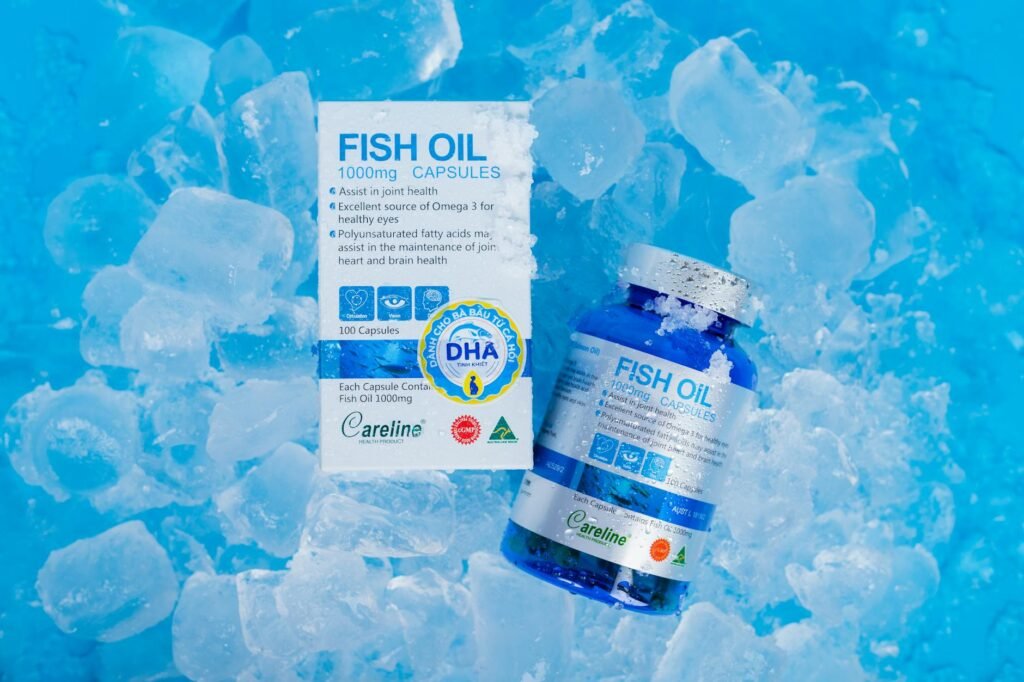
A decent label does not make a supplement safe, but a weak label should make you suspicious. The FDA requires a Supplement Facts panel, and the NIH Office of Dietary Supplements says supplement labels typically list active ingredients, the amount per serving, and other ingredients. For botanicals, labels should identify the plant name and the plant part used. If you cannot tell exactly what you are taking, do not buy it. (ods.od.nih.gov)
- Find the Supplement Facts panel. A real supplement should identify itself as a dietary supplement and disclose its contents. (fda.gov)
- Look for the exact herb, the plant part, the serving size, and the dose per serving. With herbs, leaf, root, bark, and extract are not interchangeable details. (ods.od.nih.gov)
- Read the other ingredients line. Sweeteners, fillers, stimulants, flavorings, and binders are part of what you are buying. (ods.od.nih.gov)
- Treat “proprietary blend” as a pause sign. The label may give you the total blend weight without the exact amount of each ingredient. (ods.od.nih.gov)
- If you see a third-party seal such as USP or NSF, interpret it correctly. It can add confidence about quality testing and label accuracy, but it does not prove the product works or that it is personally safe for you. (usp.org)
Also notice the small-print disclaimer. Structure/function claims on dietary supplements may be paired with language saying the statement has not been evaluated by the FDA and that the product is not intended to diagnose, treat, cure, or prevent disease. That disclaimer is not an approval stamp. It is a reminder that the claim is not the same thing as a drug approval. (fda.gov)
Common mistakes that make “natural” more dangerous
- Assuming plant-based means side-effect-free. Federal health sources are clear that natural does not automatically mean safe. (nccih.nih.gov)
- Keeping supplements off your medication list. Interaction risk is one of the main reasons to tell your doctor or pharmacist what you take. (nccih.nih.gov)
- Stacking several new products at once. It may feel efficient, but it makes it harder to identify what helped, what hurt, and what should be stopped.
- Replacing prescribed treatment because the supplement feels gentler or cheaper. The FDA specifically warns consumers not to use supplements as substitutes for prescription medicines. (fda.gov)
- Confusing “standardized,” “verified,” or “certified” language with proof of benefit. Those words do not automatically guarantee quality, consistency, safety, or effectiveness. (nccih.nih.gov)
- Trusting testimonials, influencers, or fake urgency more than evidence. The FTC says health-related claims should be truthful, not misleading, and substantiated. (ftc.gov)
- Buying a six-bottle bundle because the per-bottle price looks lower. If the product turns out to be a bad fit, you did not save money. You prepaid the mistake.
When the first plan is not enough
Sometimes a bottle passes a quick sniff test and the answer is still unclear. That is normal. NCCIH notes that well-designed clinical studies on herb-drug interactions are limited, and supplements sold in stores or online may differ in important ways from products tested in research. Uncertainty is part of the risk, not a sign that you failed to research hard enough. (nccih.nih.gov)
- If your goal is symptom relief for a diagnosed condition, first ask whether there is a proven low-cost generic, a safer OTC option, or a non-supplement strategy with better evidence.
- If you still want to try a supplement, choose one single-ingredient product rather than a stack. Simpler is cheaper and easier to monitor.
- Start one new product at a time, keep the bottle, and write down the date, dose, and reason you started. ODS provides a supplement-and-medicine record to help consumers track this. (ods.od.nih.gov)
- Set a stop date before you start. If you cannot define what success looks like in four to eight weeks, you are probably renting hope on auto-pay.
- Get advice sooner if you are pregnant, breastfeeding, taking blood thinners, antidepressants, seizure medicines, transplant drugs, or sedatives, or if surgery is approaching. St. John’s wort and kava are reminders that these interaction questions are not theoretical. (nccih.nih.gov)
How to verify and pressure-test your decision
- Look up the ingredient, not just the brand name, in NCCIH’s Herbs at a Glance or the relevant herb page. Those pages summarize evidence, cautions, and common interaction issues. (nccih.nih.gov)
- Use the ODS Dietary Supplement Label Database to compare labels and see what the product actually says on-pack. The database catalogs label information for products sold in the United States. (ods.od.nih.gov)
- Check FDA recalls, safety alerts, and hidden-ingredient warnings, especially if the product is sold for weight loss, sexual enhancement, bodybuilding, energy, or sleep. (fda.gov)
- Bring the bottle or a photo of the label to a pharmacist or clinician, along with a complete list of your prescriptions, OTC drugs, and supplements. ODS even provides a record form designed for this purpose. (ods.od.nih.gov)
- Save receipts, lot numbers, and label photos. The FDA says complete reports are the most helpful if a product causes a serious reaction or quality problem. (fda.gov)
- If you think a supplement caused a serious reaction, stop using it, seek medical care, and report it through the FDA’s Safety Reporting Portal or MedWatch. The FDA encourages reporting even if you are not completely sure the product caused the problem. (fda.gov)

Bottom line
The myth is dangerous because it swaps a comforting word for actual due diligence. “Natural” tells you where an ingredient may come from. It does not tell you how strong it is, whether it interacts with your medications, whether the bottle matches the label, or whether the purchase makes financial sense. Treat herbal supplements the way you would treat any product with biological effects and a marketing budget: read the label, run LEAF, verify the evidence, and bring in a pharmacist or clinician when the risk is anything above basic. (nccih.nih.gov)
Is a supplement safer because it says FDA approved?
Usually not. The FDA says it does not approve dietary supplements for safety and effectiveness before most are sold. If a supplement uses approval language loosely, that should make you more skeptical, not less. (fda.gov)
Does a USP or NSF seal mean the herb is safe for everyone?
No. A third-party seal can be useful for product quality and label accuracy, but it does not prove effectiveness and it does not mean the supplement is automatically safe for your medications, medical conditions, pregnancy, or surgery timing. (usp.org)
Which supplement categories deserve the most skepticism?
Weight loss, sexual enhancement, bodybuilding, and some energy products deserve especially careful review. The FDA and NCCIH have repeatedly warned about hidden ingredients and other safety problems in these categories. (fda.gov)
What if the evidence is mixed but I still want to try a supplement?
Do not replace prescribed treatment, choose a single-ingredient product, set a stop date, and review it with a pharmacist or clinician if there is any interaction or health-condition question. Supplements sold in stores may differ from products studied in research, so caution matters even when a headline sounds promising. (fda.gov)
How can I tell whether the product on the shelf matches what research studied?
Compare the exact ingredient, plant part, dose, and formulation. NCCIH notes that store products may differ from products tested in studies, and the ODS Dietary Supplement Label Database can help you inspect the actual label details. (nccih.nih.gov)
Should I report a bad reaction even if I am not sure the supplement caused it?
Yes. The FDA says consumers and clinicians should report harmful effects or quality problems through the Safety Reporting Portal, and the agency wants reports even if you are unsure the supplement caused the event. (fda.gov)
References
- FDA 101: Dietary Supplements – https://www.fda.gov/consumers/consumer-updates/fda-101-dietary-supplements
- Questions and Answers on Dietary Supplements – https://www.fda.gov/food/information-consumers-using-dietary-supplements/questions-and-answers-dietary-supplements
- How to Report a Problem with Dietary Supplements – https://www.fda.gov/food/dietary-supplements/how-report-problem-dietary-supplements
- Avoiding Products Contaminated with Hidden Ingredients – https://www.fda.gov/drugs/medication-health-fraud/avoiding-products-contaminated-hidden-ingredients
- Using Dietary Supplements Wisely – https://www.nccih.nih.gov/health/using-dietary-supplements-wisely
- 6 Tips: How Herbs Can Interact With Medicines – https://www.nccih.nih.gov/health/tips/tips-how-herbs-can-interact-with-medicines
- St. John’s Wort: Usefulness and Safety – https://www.nccih.nih.gov/health/st-johns-wort
- Kava: Usefulness and Safety – https://www.nccih.nih.gov/health/kava
- Dietary Supplements: What You Need to Know – https://ods.od.nih.gov/factsheets/WYNTK-Consumer/
- Background Information: Dietary Supplements – Consumer – https://ods.od.nih.gov/factsheets/dietarysupplements-Consumer/
- Dietary Supplement Label Database – https://ods.od.nih.gov/Research/Dietary_Supplement_Label_Database.aspx
- USP Verified Mark – https://www.usp.org/verification-services/verified-mark