

TL;DR
- Treat traditional use as a starting clue, not proof that an herb works for a medical condition. NCCIH notes that evidence is limited or inconclusive for many popular herbs. (nccih.nih.gov)
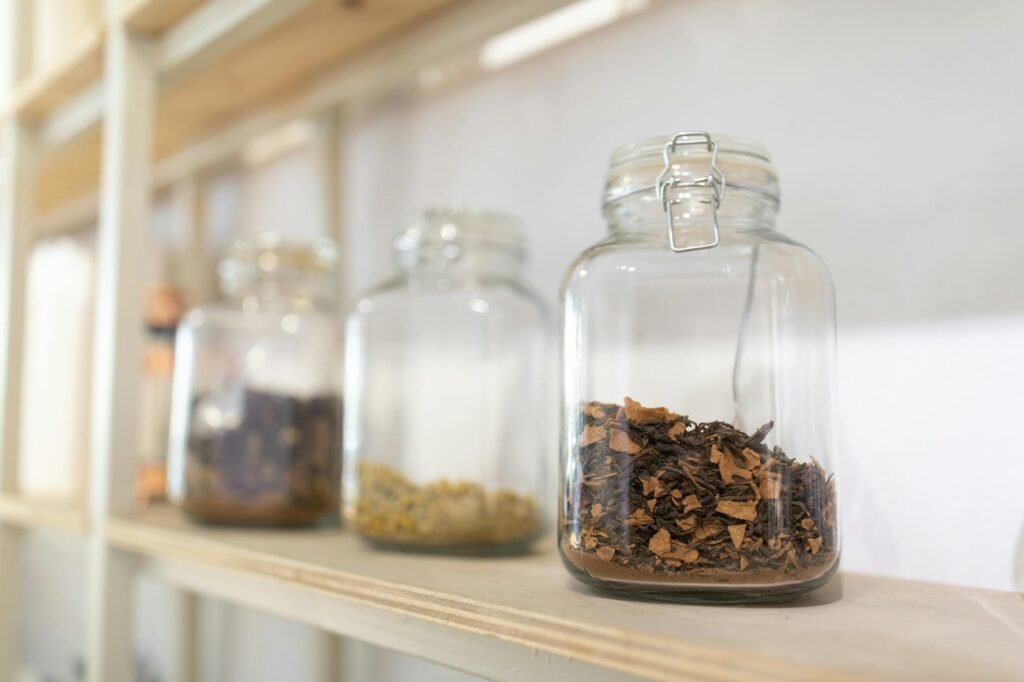
- Start with food or tea before capsules, extracts, or oils. Form changes strength, cost, and risk. (ods.od.nih.gov)
- The most beginner-friendly buys are usually ginger, chamomile tea, peppermint tea if reflux is not an issue, garlic in food, cinnamon in food, turmeric in food, and sage in cooking. (nccih.nih.gov)
- If you are pregnant, breastfeeding, taking prescription medicine, preparing for surgery, or managing liver, kidney, heart, bleeding, or hormone-sensitive conditions, ask a clinician or pharmacist before using medicinal doses of herbs. (nccih.nih.gov)
- Supplements are not FDA-approved for safety and effectiveness before they are sold, so label checking matters. (fda.gov)
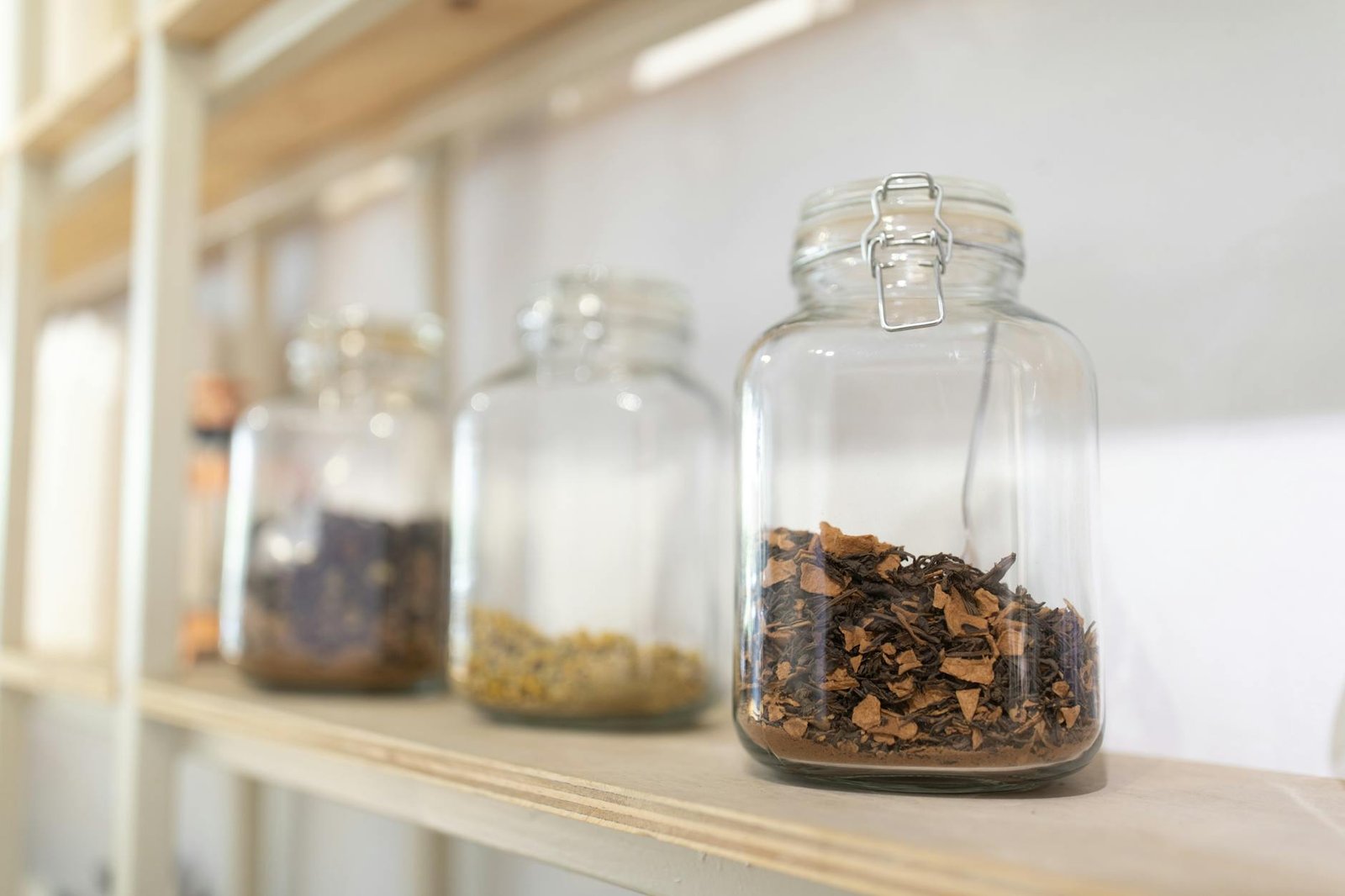
Most beginners make the same expensive mistake with herbs: they jump straight from a kitchen spice or tea bag to a concentrated capsule they do not know how to judge. A better first step is cheaper and usually safer. Learn what a few common herbs have traditionally been used for, keep your expectations modest, and separate a pantry experiment from a medical treatment decision. Herbs are sold in many forms, and those forms are not interchangeable. (ods.od.nih.gov)
Informational only. Do not use herbs to replace diagnosis, prescribed treatment, or urgent care. Talk with a qualified clinician or pharmacist before medicinal use if you take medicines or have a chronic condition. (nccih.nih.gov)
What traditional use means, and what it does not
In this guide, traditional use means an herb has a history of being used in food, teas, or folk and medical traditions for a certain purpose. That history can help a beginner understand why an herb is popular, but it is not the same as modern proof. MedlinePlus defines herbs as plants or plant parts used for scent, flavor, or therapeutic properties, and ODS notes that botanicals can be sold as teas, powders, extracts, tablets, or capsules. (medlineplus.gov)
Use the FIRST Cup Rule before you buy anything
- F = Food or tea first. Start with the least concentrated form because teas, tinctures, oils, and capsules can differ a lot in strength. (ods.od.nih.gov)
- I = Intention stays narrow. Pick one herb for one modest goal, such as a nausea-prone travel day or a bedtime tea ritual.
- R = Review risks. Check medicines, pregnancy or breastfeeding, surgery plans, allergies, and liver, heart, kidney, bleeding, or hormone-sensitive issues before medicinal doses. (nccih.nih.gov)
- S = Single ingredient before blends. If you buy a product, start with one herb so you can tell what helped or caused a problem.
- T = Track and stop. Keep a simple 7- to 14-day log and stop if you notice side effects or no clear benefit. (nccih.nih.gov)
Decision table: start with the safest, cheapest form
| Herb | Traditional starter use | Best first form | Main caution | Buy first or skip |
|---|---|---|---|---|
| Chamomile | Calming tea and mild digestive support; sleep evidence is limited. (nccih.nih.gov) | Tea bags | Ragweed-family allergy, warfarin, sedatives, estrogen-sensitive conditions. (nccih.nih.gov) | Good first buy |
| Peppermint | Digestive complaints; oil may help some GI uses but can worsen indigestion. (nccih.nih.gov) | Tea first | Reflux or heartburn may get worse. (nccih.nih.gov) | Buy if reflux is not your problem |
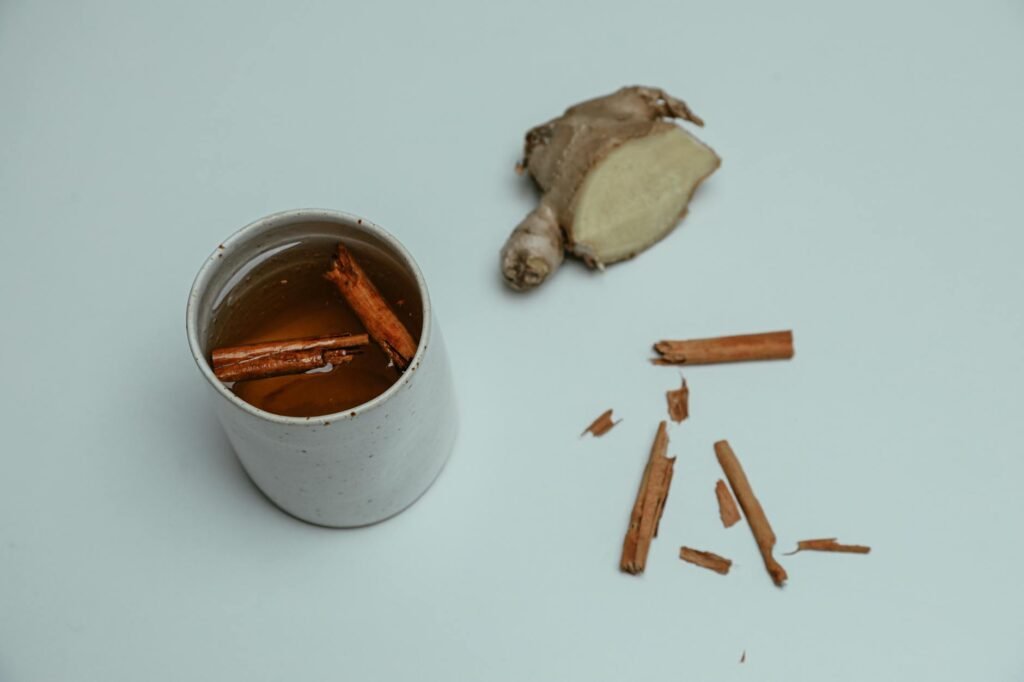
| Ginger | Nausea, indigestion, menstrual cramps. (nccih.nih.gov) | Fresh root or tea | Can irritate the stomach; ask first in pregnancy or with medicines. (nccih.nih.gov) | Excellent first buy |
| Cinnamon | Broad tradition, but research does not clearly support it for health conditions. (nccih.nih.gov) | Pantry spice | High-dose cassia may be an issue for some people with liver concerns. (nccih.nih.gov) | Use food, skip capsules first |
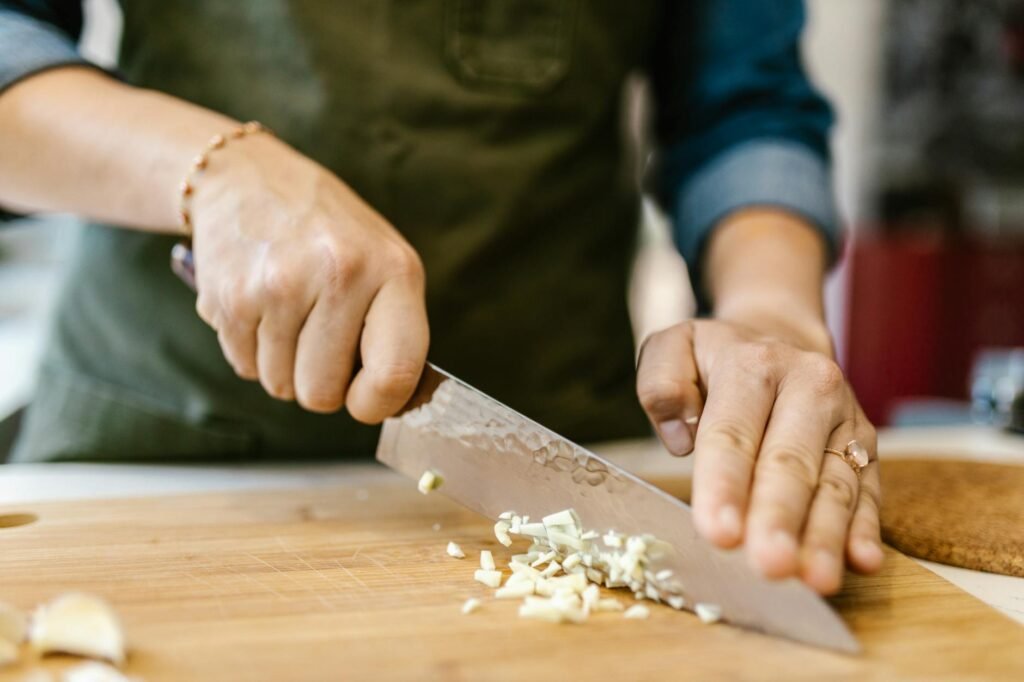
| Garlic | Food and traditional remedy with modest evidence for cholesterol and blood pressure. (nccih.nih.gov) | Fresh garlic in meals | Supplemental garlic may increase bleeding risk. (nccih.nih.gov) | Food first |
| Turmeric | Traditionally used for digestion and joint complaints; evidence remains inconclusive. (nccih.nih.gov) | Cooking spice | High-absorption curcumin products may harm the liver. (nccih.nih.gov) | Food first |
| Sage | Digestive and respiratory tradition; evidence is still limited. (nccih.nih.gov) | Cooking or tea | High doses over time can be risky because of thujone. (nccih.nih.gov) | Okay if used lightly |
| Lavender | Calming use; some oral products may help anxiety, but evidence is limited. (nccih.nih.gov) | Tea or scent ritual | May interact with sedatives; topical use can irritate skin. (nccih.nih.gov) | Buy small |
| Fenugreek | Used traditionally for cramps and milk supply, but evidence is mixed. (nccih.nih.gov) | Spice or tea | Avoid medicinal amounts in pregnancy. (nccih.nih.gov) | Kitchen use first |
| Licorice root | Used traditionally for cough and digestion, but evidence is limited. (nccih.nih.gov) | Occasional tea only | Larger or long-term amounts can affect blood pressure and heart rhythm. (nccih.nih.gov) | Usually skip as a first supplement |
A low-cost starter plan beats a supplement drawer
A realistic beginner example: a household wants a calmer evening routine and a simple stomach-soothing option. Instead of buying four bottles at about $22 each, they build a test shelf with chamomile tea for $5, peppermint tea for $5, fresh ginger for $4, cinnamon for $3, turmeric for $4, sage for $4, and a $2 notebook. Total: $27. The point is not that these exact prices are universal. It is that a pantry-first plan lets you test a few low-risk forms before spending supplement money on stronger products you may not need.
- Pick only two goals for the month, not ten.
- Match each goal to a tea or food form first.
- Buy the smallest package you can.
- Try one new herb at a time for 7 to 14 days.
- Write down the form, amount, timing, and effect.
- Keep what clearly helps; stop what does not.
10 everyday herbs beginners should actually know
Chamomile
Chamomile is the classic beginner tea because the form usually matches the goal: a light evening drink, not a heavy-duty intervention. Traditional use is broad, including indigestion and calming, but NCCIH says reliable evidence is not strong enough to support it for many conditions, including insomnia. That makes chamomile more of a ritual herb than a treatment. If you have ragweed-family allergies or take warfarin or sedatives, use extra caution. (nccih.nih.gov)
Peppermint
Peppermint is where form really matters. Peppermint tea is not the same as peppermint oil, and peppermint oil is not the same as an essential oil used casually. NCCIH notes a long digestive tradition and some evidence for specific peppermint oil uses, but it also says peppermint oil can worsen indigestion and cause heartburn. If reflux is already part of your life, this may not be the right starter herb. (nccih.nih.gov)
Ginger
If you only learn one herb, learn ginger. Its traditional use includes indigestion and gastrointestinal discomfort, and NCCIH says research suggests ginger may help with nausea in pregnancy and menstrual cramps, while the results for motion sickness are not very convincing. Fresh ginger tea, ginger in soup, or small culinary amounts are reasonable beginner forms. Supplements can still cause heartburn or stomach upset in some people. (nccih.nih.gov)
Cinnamon
Cinnamon is a good example of a pantry herb that gets oversold in capsule form. It has a long traditional history, but NCCIH says research does not clearly support using cinnamon for any health condition. For beginners, that means cinnamon belongs on oatmeal or in tea before it belongs in a bottle. Also, cassia cinnamon is the common North American type, and prolonged high-dose use can be a problem for some people because of coumarin. (nccih.nih.gov)
Garlic
Garlic earns a place here because it is already a food, and food is the right entry point. Ancient writings describe garlic for throat and gastrointestinal problems, and NCCIH says supplements may have modest effects on cholesterol, blood pressure, and blood sugar in some people. Modest is the key word. Garlic is not a substitute for treatment. If you want more of it, start in cooking, not with high-dose tablets, especially if bleeding risk matters. (nccih.nih.gov)
Turmeric
Turmeric has a strong traditional story and even stronger marketing. Historically it was used for indigestion, colds, skin problems, arthritis, and abdominal pain, but NCCIH says we still do not know enough to conclude that turmeric or curcumin is beneficial for health purposes overall. The important beginner lesson is that curry powder and high-bioavailability curcumin capsules are not the same thing. Some enhanced curcumin products may harm the liver. (nccih.nih.gov)
Sage
Sage is useful because it reminds beginners that a common cooking herb can also show up in supplement products. Traditionally, sage was used for digestive, respiratory, and skin problems. A few studies suggest possible effects on hot flashes or memory, but NCCIH says the evidence remains too limited for firm conclusions. Sage makes more sense in stuffing, roasted vegetables, or occasional tea than in long-term high-dose use, partly because some sage contains thujone. (nccih.nih.gov)
Lavender
Lavender often enters a beginner’s life through scent, not swallowing. NCCIH says some oral lavender oil products may help anxiety, but the research has limitations, and the evidence for aromatherapy is less decisive than many labels suggest. That makes lavender a good low-cost ritual herb if your goal is atmosphere, not diagnosis. Tea, a bath product, or a pillow spray may fit better than jumping to capsules, especially if you already use sedating medicines. (nccih.nih.gov)
Fenugreek
Fenugreek is common in cooking but easy to misunderstand in supplement form. Its seeds have a long history as both a spice and a traditional remedy, including use for menstrual cramps and milk supply. NCCIH says evidence for diabetes, cramps, or milk production is not strong enough for clear conclusions, and medicinal amounts are not safe in pregnancy. For most beginners, fenugreek works better as a flavor education than as a self-prescribed remedy. (nccih.nih.gov)
Licorice root
Licorice root is worth knowing mainly so you know when not to get casual. NCCIH notes a long traditional history for cough, asthma, and wound healing, but also says the evidence is not strong enough to support clear use for any health condition. The bigger issue is safety: real licorice contains glycyrrhizin, which can cause serious effects, including heart-rhythm problems, especially with larger or long-term intake. This is not an everyday beginner herb for routine self-treatment. (nccih.nih.gov)
Common mistakes that cost money or cause problems
- Buying oils, extracts, and capsules as if they were interchangeable with tea or food. They are not. (ods.od.nih.gov)
- Assuming traditional use means proven benefit. Many of these herbs still have limited or inconclusive evidence. (nccih.nih.gov)
- Ignoring species and plant-part details. Cassia and Ceylon cinnamon are not the same, and sage can refer to more than one species. (nccih.nih.gov)
- Trusting marketing that hints a supplement is FDA approved. FDA says supplements are not approved before sale for safety and effectiveness. (fda.gov)
- Skipping the medication check. Herb-drug interactions are a real reason to slow down. (nccih.nih.gov)
When the pantry approach is not enough
If your symptom is chronic, worsening, or serious enough that you are considering stronger and stronger products, the beginner plan has probably ended. Peppermint may aggravate heartburn, cinnamon is not clearly supported for diabetes or weight loss, turmeric and sage supplements can raise dose-related safety questions, and licorice root can be a poor fit for people with blood pressure, heart, or kidney concerns. At that point, a pharmacist, primary care clinician, or registered dietitian is more useful than a more expensive bottle. Herbs should complement care, not replace it. (nccih.nih.gov)
How to verify a product before you take it

- Check whether it is a food, tea, or dietary supplement. Form changes strength and risk. (ods.od.nih.gov)
- Read the Supplement Facts, the Latin name, and the plant part when listed. Species matter. (nccih.nih.gov)
- Ignore any suggestion that the product is FDA approved. Supplements are not approved for safety and effectiveness before marketing. (fda.gov)
- Look up the label or ingredient in NIH’s Dietary Supplement Label Database to see what has actually appeared on U.S. labels. (dsld.od.nih.gov)
- Cross-check the herb in NCCIH’s Herbs at a Glance and stop if side effects appear. (nccih.nih.gov)
Bottom line
The smartest beginner herb plan is usually the least dramatic one: start with food or tea, learn one herb at a time, and save capsules for cases where you have a clear reason and a label you trust. Traditional use can help you choose where to start, but it should never be confused with proof, safety, or permission to self-treat a serious problem. (ods.od.nih.gov)
FAQ
Is herbal tea the same as an herbal supplement?
No. ODS notes that botanicals are sold as teas, powders, extracts, tinctures, and capsules, and those forms can differ a lot in concentration and effect. Tea is usually a better beginner form than a concentrated extract. (ods.od.nih.gov)
Which herb is the easiest first purchase for most beginners?
Ginger is a strong candidate because it is both a food and a commonly studied herb. Chamomile tea is another easy starter if you are not dealing with ragweed-family allergies or medication conflicts. (nccih.nih.gov)
Can I take several herbs together?
You can, but it is not the best way to learn. One herb at a time makes it easier to notice benefit, side effects, or interactions. That is especially important because NCCIH warns that supplements can interact with medicines. (nccih.nih.gov)
Are herbal supplements FDA approved?
No. FDA says dietary supplements are not approved for safety and effectiveness before they are sold. Companies are responsible for safety and truthful labeling, but pre-sale approval is not the rule. (fda.gov)
When should I ask a professional before trying an herb medicinally?
Ask first if you are pregnant, breastfeeding, taking prescriptions, planning surgery, or managing heart, liver, kidney, bleeding, or hormone-sensitive issues. That pattern shows up repeatedly in NCCIH herb safety pages and supplement guidance. (nccih.nih.gov)
References
- NCCIH: Chamomile – https://www.nccih.nih.gov/health/chamomile/ataglance.htm
- NCCIH: Peppermint Oil – https://www.nccih.nih.gov/health/peppermint-oil
- NCCIH: Ginger – https://www.nccih.nih.gov/health/ginger?prioritize_promoted_p=0&pwsName=beautifulhealthyyou&return_url=%2Ftag%2Fshaklee%3Fp%3D4%26pwsName%3Dbeautifulhealthyyou&tags=shaklee&term=27&tribe_event_display=past&tribe_paged=1
- NCCIH: Cinnamon – https://www.nccih.nih.gov/health/cinnamon/?nav=rss
- NCCIH: Garlic – https://www.nccih.nih.gov/health/garlic
- NCCIH: Turmeric – https://www.nccih.nih.gov/health/turmeric?page=reviewsnew-chapter-vitamins-review&qutm=1&session_id=GS2.1.s1767484800%24o1%24g0%24t1767484800%24j60%24l0%24h0&uid=982a67fas16&uid=ab8e3b4ds16
- NCCIH: Sage – https://www.nccih.nih.gov/health/sage
- NCCIH: Lavender – https://www.nccih.nih.gov/health/lavender
- NCCIH: Fenugreek – https://www.nccih.nih.gov/health/fenugreek
- NCCIH: Licorice Root – https://www.nccih.nih.gov/health/licorice-root
- FDA: Is It Really FDA Approved? – https://www.fda.gov/consumers/consumer-updates/it-really-fda-approved
- NIH ODS: Botanical Dietary Supplements Background Information – https://ods.od.nih.gov/factsheets/BotanicalBackground-Consumer/