

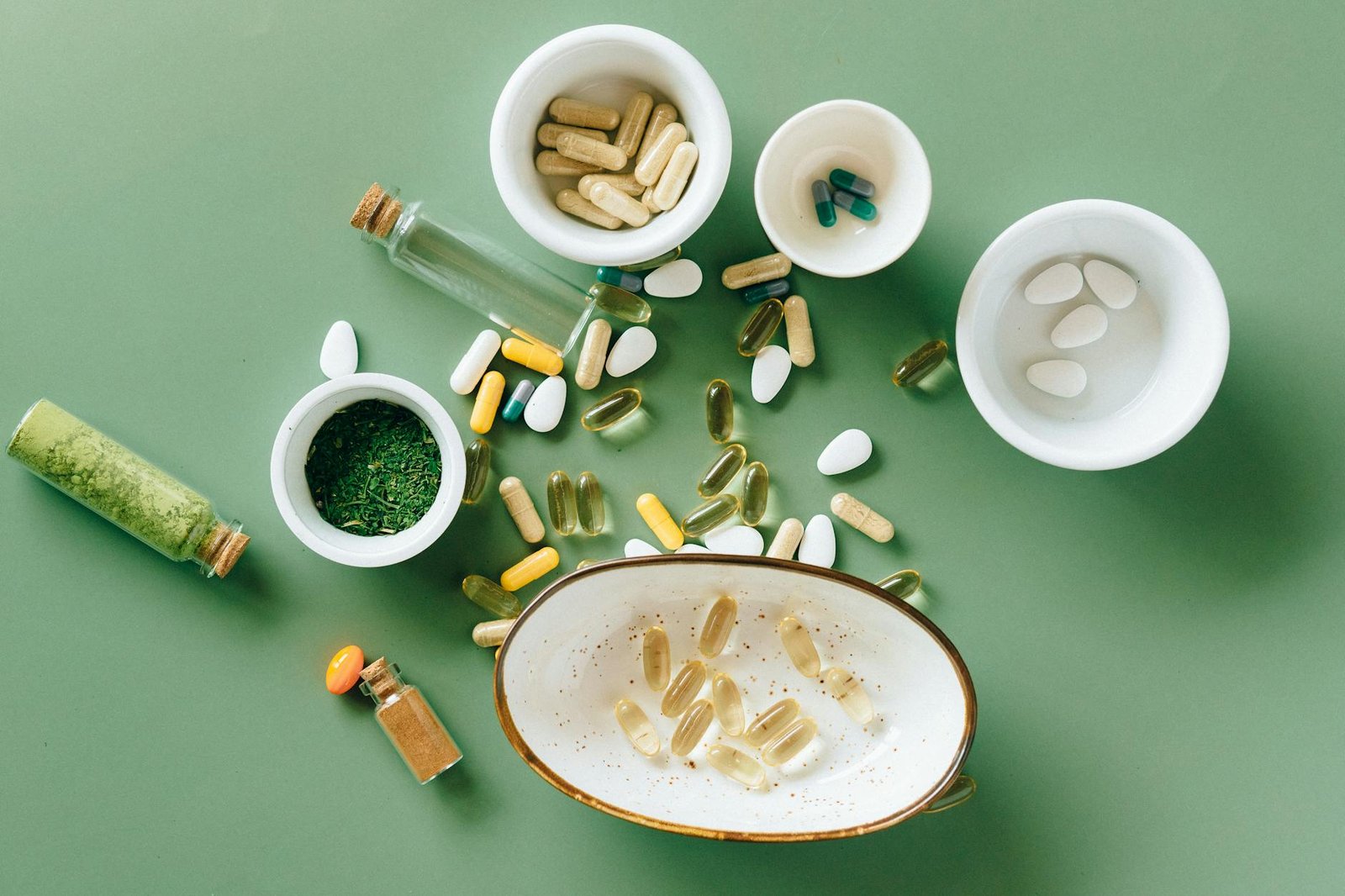
The first mistake beginners make with herbs usually happens before the first dose: they shop as if they are buying tea, not something that can affect how the body handles medicines, surgery, lab tests, or pregnancy. The FDA says dietary supplements are not approved for safety and effectiveness before sale, and NCCIH warns that herbs can interact with medications and sometimes contain hidden or unexpected ingredients. The right first question is not “Which herb is best?” It is “Should this herb be in the cart at all?” (fda.gov)
Informational only, not medical advice. If you are pregnant, breastfeeding, preparing for surgery, managing liver or kidney problems, taking prescriptions, or choosing something for a child or teen, get advice from a physician, pharmacist, or other qualified clinician before starting an herb. Severe symptoms such as trouble breathing, chest pain, fainting, abnormal bleeding, or yellowing of the skin or eyes need urgent care. (fda.gov)
Use the PAUSE Before the Bottle screen
Before you buy anything, run the PAUSE screen. Give yourself 1 point for each box you can honestly check. A 5 with no red flags means the product might be worth a clinician or pharmacist review. A 3 or 4 means more homework before you spend money. A 0 to 2, or any red flag below, means skip it for now. This is an editorial decision tool, not a medical rule, but it tracks the issues FDA and NIH sources emphasize most: interactions, hidden ingredients, unclear labeling, and special-population risk. (fda.gov)
- P – Purpose: I can name one symptom, one reason for trying this herb, and one review date. No vague goals like “detox,” “reset,” or “balance.”
- A – Active risks: I have checked my prescription drugs, OTCs, vitamins, other supplements, medical conditions, pregnancy status, and surgery schedule. (fda.gov)
- U – Unknowns: I am not assuming “natural” means safe, and I am not treating limited evidence or unknown long-term safety as proof of safety. (nccih.nih.gov)
- S – Seal and specifics: The label clearly identifies the herb, dose, plant part, and manufacturer, and ideally the bottle has an independent quality seal such as USP or NSF. (ods.od.nih.gov)
- E – Exit plan: I know what would make me stop: side effects, no clear benefit by my review date, new surgery, pregnancy, or a clinician telling me it conflicts with treatment. (fda.gov)
- Automatic red lights: St. John’s wort with many common medicines; kava when liver safety is a concern; any product sold for rapid weight loss or bodybuilding; and anything for a child, teen, pregnancy, or the 2 to 3 weeks before surgery without professional input. (nccih.nih.gov)
What to check before you spend a dollar
- Make a full list of everything you take. Include prescription drugs, over-the-counter medicines, vitamins, gummies, powders, and other herbs. FDA and NCCIH both advise bringing a written list or the bottles themselves because supplements can raise or lower drug effects. (fda.gov)
- Determine the role; list the issue; determine how frequently the issue occurs; and describe what it will look like when you have been successful in achieving a resolution within two(2) to four(4) weeks. The purpose of this is to prevent you from purchasing three, stand-alone products to solve an undefined issue.
- Screen for red flags first. Pregnancy, breastfeeding, a child or teen user, upcoming surgery, liver concerns, or medicines with a narrow therapeutic index move the decision out of impulse-buy territory. (ods.od.nih.gov)
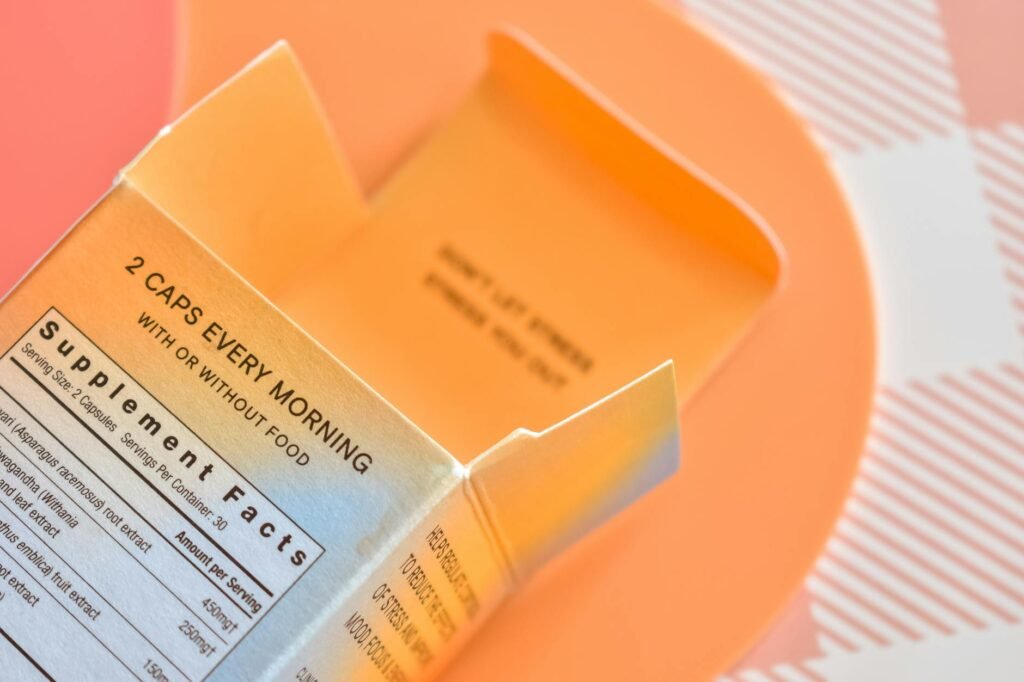
- Read the label, not just the front claim. Look for the Supplement Facts panel, the exact herb name, the plant part used, serving size, and the manufacturer or distributor. If it is a proprietary blend, you may get only the total blend weight, not the amount of each herb, which makes beginner dosing and troubleshooting harder. (fda.gov)
- Check the marketing category. Hidden or illegal ingredients show up disproportionately in products marketed for weight loss, sexual enhancement, and bodybuilding or performance. For most beginners, that is enough reason to walk away. (nccih.nih.gov)
- Look for quality help, not quality promises. A third-party seal can support identity, manufacturing quality, and contamination screening, but it does not prove the herb is safe for you or that it works. Words like “standardized,” “verified,” or “certified” on the bottle by themselves are not enough. (ods.od.nih.gov)
- Follow the 1-1-1-1 rule: plant, purpose, month, log. This means you don’t want to plant 3 crops at once or get an auto-ship on something unless you know how well you will be able to handle/best use it and how well it will fit into your current treatment plan.
A faster buy-or-skip table for first-time herb shoppers
| Situation | Safer move | Skip for now if… | Why it matters |
|---|---|---|---|
| You take any prescription or regular OTC medicine | Ask a pharmacist or clinician to screen the herb against your full list | You plan to self-start without checking | Herbs can change drug levels or side effects; St. John’s wort is a well-known example. (nccih.nih.gov) |
| You are pregnant, breastfeeding, trying to conceive, or buying for a child or teen | Get clinician input before purchase | You are relying on “natural” as the safety argument | Many products are not well studied in pregnancy or children. (ods.od.nih.gov) |
| You have surgery in the next 2 to 3 weeks | Delay the herb until the surgical team clears it | You plan to keep taking it through the procedure | Some supplements can affect bleeding, blood pressure, heart rate, or anesthesia response. (fda.gov) |
| The product is marketed for weight loss, sexual enhancement, or bodybuilding | Choose nothing unless a clinician specifically recommends a vetted option | The appeal is “fast,” “all natural,” or “extreme” results | These categories have recurring contamination and hidden-drug problems. (nccih.nih.gov) |
| The label is a proprietary blend or omits plant part or manufacturer details | Keep shopping for a clearer single-herb product | You cannot tell what you are actually taking | Federal label rules allow blend totals, which can leave each ingredient amount unclear. (ods.od.nih.gov) |
| The bottle is a single herb, clearly labeled, with no red flags and a third-party seal | Reasonable to discuss with a pharmacist before buying | You still have unanswered interaction or condition questions | Better labeling reduces confusion, but it does not replace a risk check. (ods.od.nih.gov) |
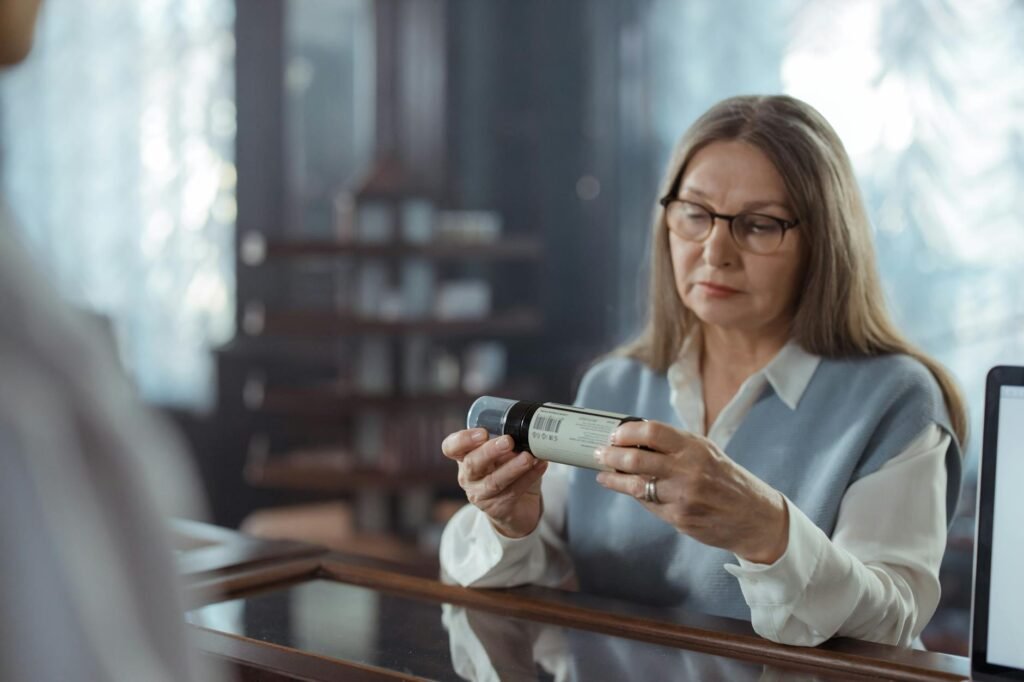
A realistic example: when a cheap bottle is not actually cheap
Consider Nina, 32, who sees St. John’s wort online at $28 per bottle plus $7 shipping. Auto-ship would turn that into a $35 monthly habit, or $420 a year. She wants something for low mood and assumes the herb is a lower-stakes option because it is sold next to vitamins. But she also takes a birth control pill and simvastatin. NCCIH says St. John’s wort can weaken birth control pills and certain statins, and the FDA warns that mixing supplements with medicines can change drug potency. On the PAUSE screen, this is not a maybe. It is a stop-and-ask case. (nccih.nih.gov)
Financing is a very straightforward concept: The cheapest bottle does not necessarily equate to being the least expensive choice. A $35 can cost a lot of money if it causes medication issues, leads to additional visits, or continues charging your credit card for something you should have never started. New users often do better with a delayed purchase instead of purchasing early.

The bottle test: what a safer label looks like
- A safer beginner bottle says “dietary supplement” and has a real Supplement Facts panel. If the front label is loud but the facts panel is thin, keep moving. (fda.gov)
- The herb should be identifiable. For botanicals, the label should use the scientific name or a standard common name and list the plant part used. Root, leaf, bark, and extract products are not automatically interchangeable. (ods.od.nih.gov)
- Single-herb beats mystery blend for a first trial. When several herbs change at once, you cannot tell what helped, what caused side effects, or what interacted with a medicine. This is an inference, but it follows from how blend labels can hide the amount of each ingredient. (ods.od.nih.gov)
- A third-party seal is a plus, not a verdict. It can help with manufacturing quality and contamination screening, but it does not confirm effectiveness or personal safety. (ods.od.nih.gov)
- Do not overvalue bottle language like “standardized,” “verified,” or “certified.” NCCIH says those terms do not necessarily guarantee quality or consistency. (nccih.nih.gov)
- Treat cure-all promises as a selling tactic, not a safety signal. If a product promises fast weight loss, big muscle gains, or miracle mood changes, research first and usually walk away. (nccih.nih.gov)
Common mistakes that raise risk and waste money
- Assuming “natural” means gentle. Some herbs have serious risks, and some products contain ingredients not listed on the label. (nccih.nih.gov)
- Replacing prescribed treatment with an herb because the bottle sounds safer. The FDA specifically warns against using a supplement instead of medication. (fda.gov)
- Starting multiple new products on the same day. If something goes wrong, you will not know which one caused it.
- Ignoring surgery, pregnancy, or a child’s age because the herb is sold over the counter. Those are exactly the situations where extra caution is advised. (fda.gov)
- Buying the influencer bundle instead of the simplest product. Stacks cost more, make troubleshooting harder, and are often built around marketing rather than risk control.
- Failing to keep the label and dose information. If you do have a reaction, that information makes reporting and follow-up easier. (fda.gov)
When the herb you want does not pass the test
Sometimes the safest answer is not “find a better bottle.” It is “do not self-start this category.” If you are pregnant, buying for a child, using warfarin, digoxin, cyclosporine, seizure medication, antidepressants, transplant drugs, or planning surgery, a pharmacist or clinician should be part of the decision. The same goes for products with liver-risk questions, such as kava, and for vague symptom clusters that may need diagnosis before supplementation. (nccih.nih.gov)
- Best backup option: ask a pharmacist for an interaction screen using your full list. (fda.gov)
- Second-best option: postpone the herb until after surgery, medication changes, or pregnancy-related questions are resolved. (fda.gov)
- If you still want to try something later, switch from a blended formula to one clearly labeled herb so you can evaluate it more cleanly. (ods.od.nih.gov)
- If the real issue is persistent low mood, sleep trouble, pain, or digestive symptoms, get evaluated rather than stacking products around a problem you have not named.
How to pressure-test the advice before you buy
- Look up the herb in NCCIH’s Herbs at a Glance series or a MedlinePlus herb or supplement entry, not just on a brand site. Those sources summarize safety, side effects, and interaction concerns. (nccih.nih.gov)
- Search the NIH Dietary Supplement Label Database to confirm the label, warnings, ingredient amounts, and packaging details. (ods.od.nih.gov)
- Check the FDA’s Dietary Supplement Ingredient Directory for agency actions or safety communications about the ingredient. (fda.gov)
- Take photos of the front and back label, note your start date, and change only one new supplement at a time. That makes side effects and benefits easier to sort out.
- If you have a serious reaction, stop the product, seek medical care, and file a report through the FDA’s Safety Reporting Portal. (fda.gov)
Bottom line
For beginners, herbal safety is mostly about slowing down. A good first herb is not the one with the prettiest label or the loudest promises. It is the one that survives a boring review of your medicines, health status, label details, and exit plan. If the bottle does not pass that review, saving the money is part of the safety strategy. (fda.gov)
FAQ
Is herbal tea automatically safer than a capsule?
Not automatically. Tea may sometimes be a less concentrated format than an extract, but that is an inference, not a guarantee. Safety still depends on the specific herb, the amount, how often you use it, and whether it conflicts with your medicines, surgery plan, pregnancy, or medical conditions. (fda.gov)
Do USP or NSF seals mean the herb works?
No. NIH sources explain that independent seals are quality checks, such as whether the product contains the listed ingredients and avoids harmful contamination levels. They do not prove that the herb is effective or safe for your personal situation. (ods.od.nih.gov)
What if I only take over-the-counter medicine?
You still need to screen. NCCIH notes that herbs can interact with prescription or over-the-counter medicines, and the FDA recommends discussing supplements with a health professional before adding them to your routine. (nccih.nih.gov)
What does “proprietary blend” mean on an herbal product?
Under federal labeling rules, a proprietary blend can list the total blend weight and the ingredients in order of predominance by weight, but not necessarily the amount of each herb. That is legal, but it is not beginner-friendly because it makes dose comparison and troubleshooting harder. (ods.od.nih.gov)
What should I do if I get a bad reaction?
Stop using the product and get medical advice. If the reaction is serious, seek urgent care. The FDA tells consumers to report supplement-related reactions through the Safety Reporting Portal so the agency can evaluate safety problems in the market. (fda.gov)
Should I tell my pharmacist about every herb, even if it seems minor?
Yes. Bring a written list or the bottles themselves. That is especially important for herbs with known interaction concerns, such as St. John’s wort, and for medicines with a narrow therapeutic index, such as warfarin, digoxin, and cyclosporine. (nccih.nih.gov)
References
- FDA 101: Dietary Supplements – https://www.fda.gov/consumers/consumer-updates/fda-101-dietary-supplements
- FDA: Mixing Medications and Dietary Supplements Can Endanger Your Health – https://www.fda.gov/consumers/consumer-updates/mixing-medications-and-dietary-supplements-can-endanger-your-health
- FDA: How to Report a Problem with Dietary Supplements – https://www.fda.gov/food/dietary-supplements/how-report-problem-dietary-supplements
- FDA: Information on Select Dietary Supplement Ingredients and Other Substances – https://www.fda.gov/food/dietary-supplements/dietary-supplement-ingredient-directory
- NCCIH: Dietary and Herbal Supplements – https://www.nccih.nih.gov/health/dietary-and-herbal-supplements
- NCCIH: 5 Tips: What Consumers Need To Know About Dietary Supplements – https://www.nccih.nih.gov/health/tips/tips-what-consumers-need-to-know-about-dietary-supplements
- NCCIH: 6 Tips: How Herbs Can Interact With Medicines – https://www.nccih.nih.gov/health/tips/tips-how-herbs-can-interact-with-medicines
- NCCIH: St. John’s Wort – https://www.nccih.nih.gov/health/st-johns-wort
- NCCIH: Kava – https://www.nccih.nih.gov/health/kava
- ODS: Dietary Supplements: What You Need to Know – https://ods.od.nih.gov/factsheets/WYNTK-Consumer/
- ODS: Background Information: Dietary Supplements – https://ods.od.nih.gov/factsheets/dietarysupplements-Consumer/
- ODS: Dietary Supplement Label Database – https://ods.od.nih.gov/Research/Dietary_Supplement_Label_Database/