

TL;DR
- If you have almost no room, start with chives, thyme, parsley, oregano, basil, mint, and cilantro. They offer the best mix of compact growth, repeat harvests, and indoor practicality. (extension.psu.edu)
- For tiny homes, the smartest herbs are not just easy to grow. They also recover well after cutting and stay useful in small containers. (extension.psu.edu)
- A south- or west-facing window is ideal. If you do not have that, a basic grow light can make a big difference, and many indoor herb guides suggest 14 to 16 hours of supplemental light in winter. (extension.umd.edu)
- Generally, this represents an opportunity to save time but also act to prevent waste of food that would otherwise spoil before being used. The herbs basil, parsley, chives, and cilantro are often viewed as good choices for this reason because they are frequently purchased fresh and consumed in a single meal or recipe.
- Skip tougher first choices like rosemary, fennel, lovage, and big taproot herbs if your space is tight and your light is average. (extension.psu.edu)
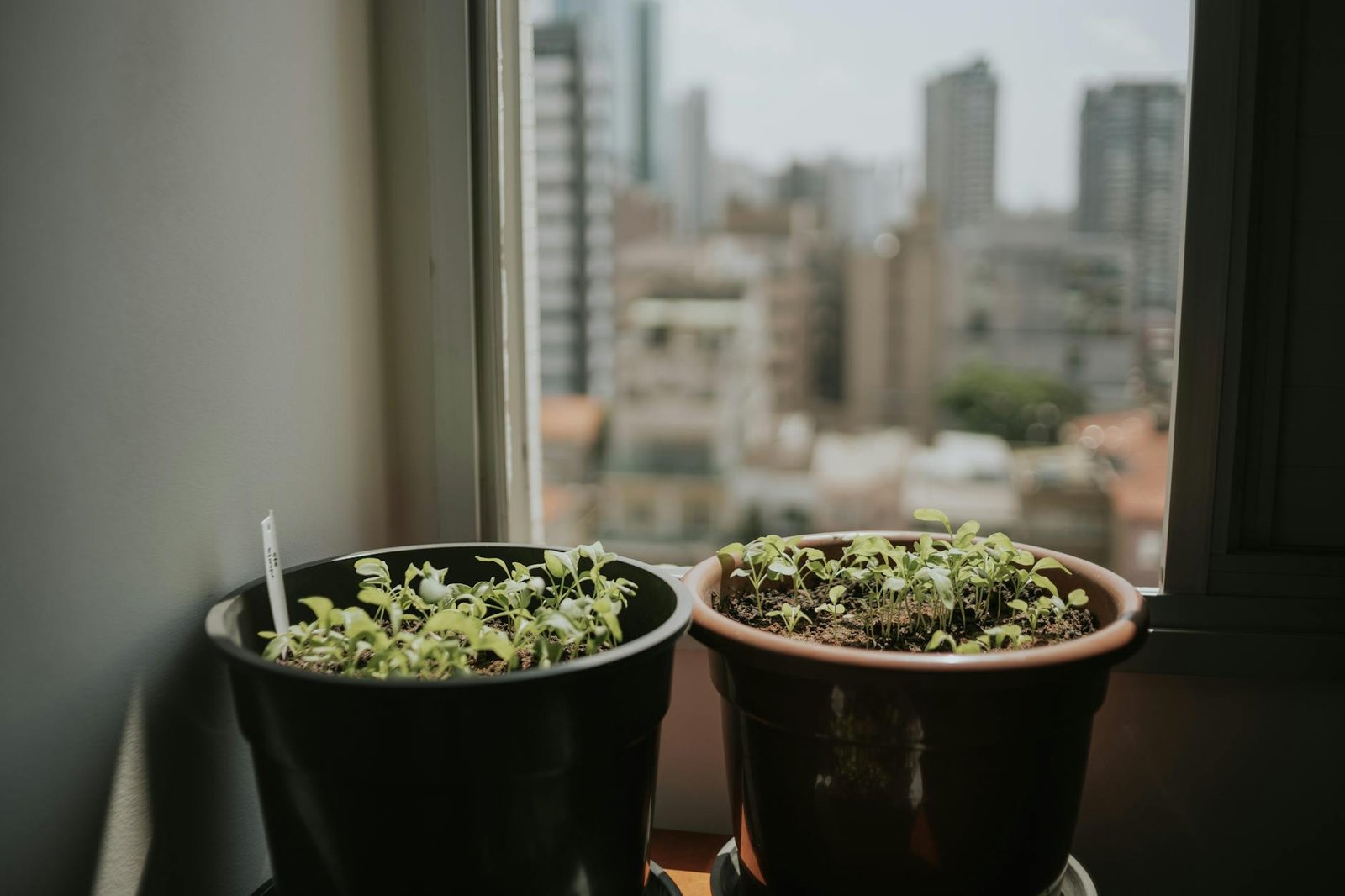
A tiny indoor herb garden only works if you are ruthless about what earns a spot on the sill. The question is not whether herbs can grow indoors. Many can. The real issue is that a cramped apartment, weak winter light, and dry forced-air heat make some herbs much more practical than others. University extension guidance is fairly consistent on the basics: herbs need strong light, good drainage, and the right match between plant and container. (extension.umd.edu)
When considering best indoor herbs from the perspective of finances, those you will most likely use when cooking, those that will continue to regrow with small harvests, and those that will not require continuous replacement, are the best choices. The objective is not to cultivate every herb you desire but rather to select a few herbs that will lead to the least amount of grocery waste, that require the least amount of space, and that can withstand typical home growing conditions.
Use the SILL Test before you buy anything
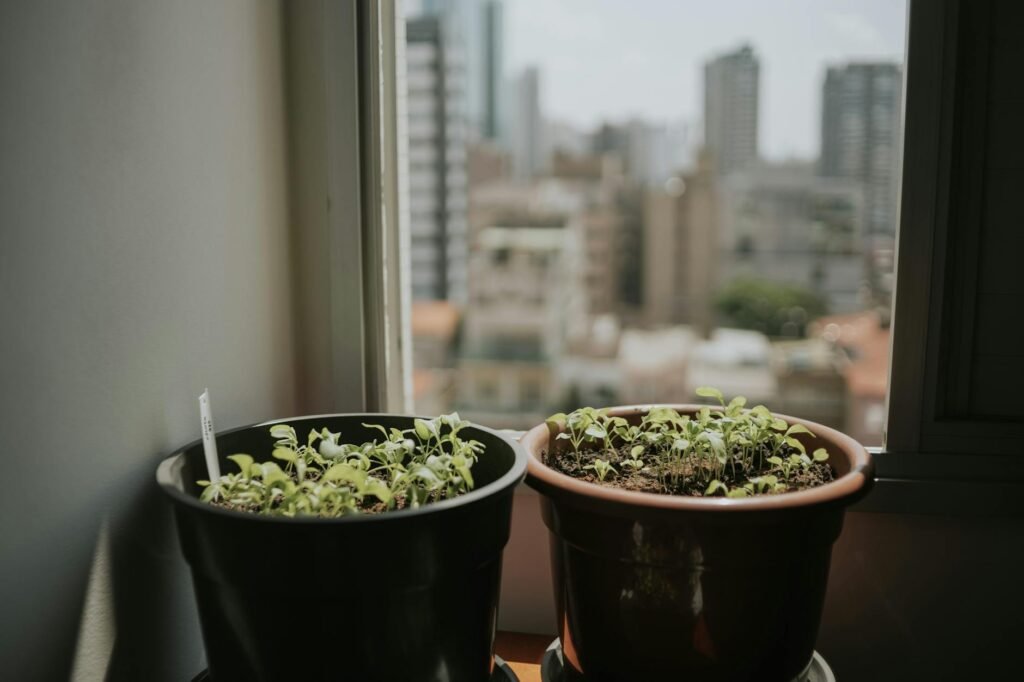
To quickly find out if an herb will work in a tiny space, you may want to use the SILL Test to give it a score for 4 (four) criteria: space footprint (1 to 5); indoor tolerance (1 to 5); leaf payoff (1 to 5); and low cost of replacing the plant (1 to 5). Most herbs that do well as tiny-space herbs will earn a total of 14 or more points from a maximum of 20 points. On the other hand, if an herb requires deep soil, high humidity, excessive care while growing, or needs to be replaced too often, it’s unlikely that it will perform well in your best window.
| Herb | SILL score | Why it earns space | Best for | Main catch |
|---|---|---|---|---|
| Chives | 18/20 | Compact, forgiving, easy repeat cuts | Eggs, potatoes, dips, soups | Gets leggy in weak light |
| Thyme | 17/20 | Small plant, strong flavor, likes drier soil | Roasts, beans, chicken | Needs bright light |
| Parsley | 16/20 | High-use herb with steady harvests | Sauces, salads, grain bowls | Slow from seed |
| Oregano | 16/20 | Big flavor from a modest plant | Tomato dishes, pizza, marinades | Needs sun and pruning |
| Basil | 15/20 | Huge flavor payoff when fresh | Pasta, sandwiches, pesto | Needs warmth, moisture, and strong light |
| Mint | 14/20 | Fast growth and frequent harvest potential | Tea, drinks, yogurt, fruit | Can outgrow its spot |
| Cilantro | 13/20 | Worth it if you use it every week | Tacos, soups, rice, salsas | Bolts fast in heat |
The best herbs for a very small indoor setup
1. Chives
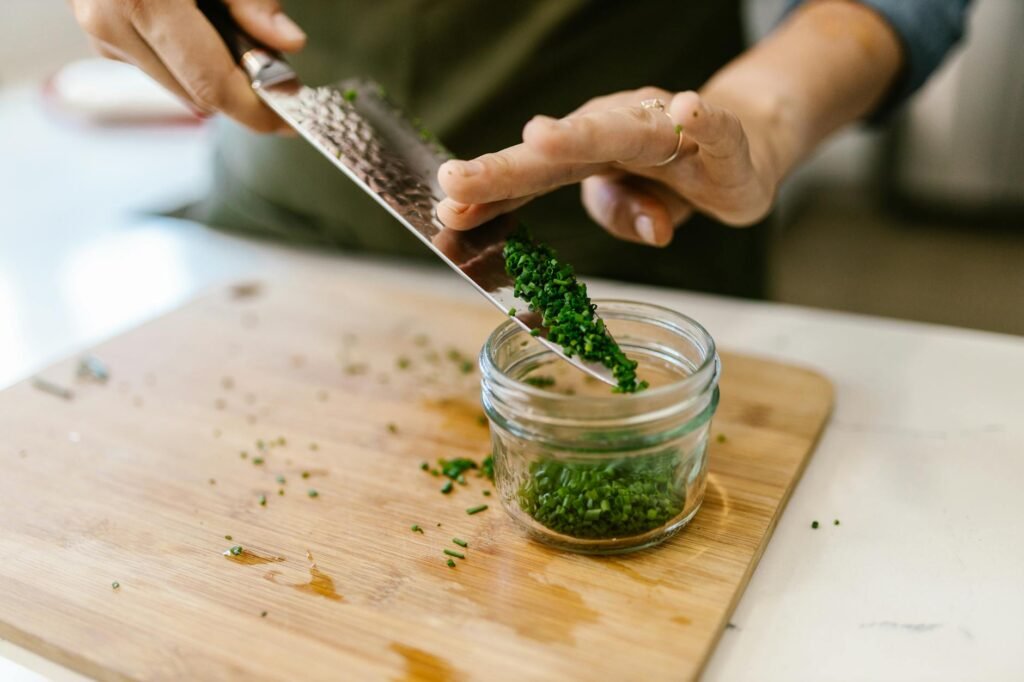
If you want one herb that is hard to regret, start here. Penn State lists chives among the best indoor choices and notes they can tolerate lower light than many herbs, while Illinois Extension says they are easy to grow in pots with good drainage and even highlights a variety bred for indoor culture. Chives stay upright, do not need much room, and pay you back with frequent snips. (extension.psu.edu)
2. Thyme
Thyme is a smart tiny-space herb because the plant itself stays small and the flavor is concentrated. Illinois Extension recommends bright light, ample drainage, and soil kept on the dry side. That makes thyme especially useful for people who sometimes overwater. It is not the fastest grower, but it is one of the most space-efficient. (extension.illinois.edu)
3. Parsley
Parsley is easy to underestimate because it feels common, but that is exactly why it earns indoor space. Recipes often use it by the handful, and Minnesota Extension says it is an easy herb to grow indoors if it has a bright location and drainage holes. Harvest it by taking the outer stalks near the base, not by shearing the top, so it keeps producing. (extension.umn.edu)
4. Oregano
Oregano is a strong candidate if you cook tomato sauces, pizza, roasted vegetables, or Greek-style dishes. Illinois Extension says true oregano wants full sun and good drainage, and that letting it flower reduces growth and leaf flavor. In a tiny apartment, that matters: a small plant can flavor a lot of food, but it needs regular tip cutting to stay compact. (extension.illinois.edu)
5. Basil
Basil has the highest upside on this list if you cook often, but it is not the easiest. Illinois Extension recommends full sun, steady moisture, and regular pinching, while Penn State warns that basil should not be kept on a cold winter windowsill because it cannot handle temperatures below 50°F. If you have the brightest spot in the home, basil deserves it. If not, start with something else. (extension.illinois.edu)
6. Mint
Mint only makes sense if you really use mint. But if you do, container growing is actually an advantage. Illinois Extension notes that mint spreads aggressively by rhizomes outdoors, so keeping it contained is smart, and it also lists mint among herbs that do well indoors. Give it its own pot, harvest often, and do not let it bully lower-growing neighbors. (extension.illinois.edu)
7. Cilantro
Cilantro is not a forever plant. It is a short-cycle herb that is worth the effort only if you use it constantly. Penn State and NC State both note that cilantro prefers cooler conditions and tends to bolt in heat, while Penn State also says it can tolerate lower light than many herbs. That makes cilantro a good small-space herb for cooler rooms, but a poor choice if your window stays hot and bright all day. (extension.psu.edu)
Skip these as first picks if your space is very limited: rosemary, fennel, lovage, horseradish, and deep-taproot herbs like dill. Penn State specifically warns against large-root herbs indoors, and Illinois notes that rosemary often struggles with dry indoor air and can develop brown tips and die-back. (extension.psu.edu)
A realistic tiny-space setup, with numbers
Assume a renter has a 24-inch windowsill and no outdoor space. Instead of trying to grow seven herbs at once, they buy three starter plants – chives, thyme, and parsley – plus one packet of basil seed for succession sowing. Their setup looks like this: three 4-inch pots at $5 each, one seed packet at $3, potting mix and perlite at $14, saucers at $6, and a basic clamp grow light at $22. Total upfront cost: about $60.
Now assume that same household would otherwise buy three fresh-herb packs per week for pasta, eggs, soups, and salads, at an average assumed cost of $2.50 each. Over eight weeks, that is about $60. This is not a guaranteed break-even story. Plants fail. Light matters. But it shows the right mindset: indoor herbs make the most sense when they replace repeated small purchases and reduce crisper-drawer waste, not when they are treated like a grand money-saving project.
How to set up a windowsill herb garden without wasting money
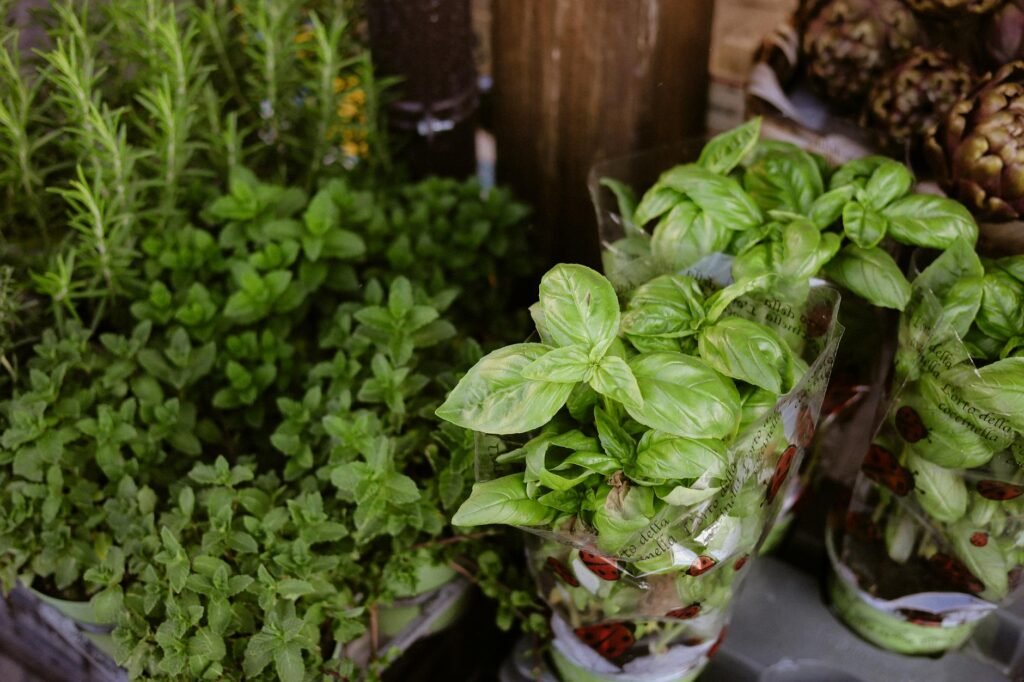
- Measure your real light first. A south- or west-facing window is best, and if you do not have that, plan on a grow light instead of wishful thinking. (extension.umd.edu)
- Start with two or three herbs, not a full collection. Chives, thyme, and parsley are a better starter trio than a crowded mixed planter.
- Use containers with drainage holes and a loose, well-drained mix. Maryland Extension recommends a soilless mix with added perlite for indoor herbs. (extension.umd.edu)
- Match your watering to the herb. Basil, parsley, and chives want more even moisture, while thyme and oregano should dry somewhat between waterings. (extension.psu.edu)
- Harvest in ways that encourage regrowth. Pinch basil tips, snip chives near the base, cut parsley stalks from the outside, and trim oregano before flowering. (extension.illinois.edu)
- Build reset into the plan. Basil and cilantro are usually better as repeated sowings or periodic replacements than as one plant you try to keep perfect forever. (extension.illinois.edu)
Common mistakes that waste time, money, or both
- Using a decorative pot with no drainage hole. That is one of the fastest ways to turn indoor herbs into a soggy mess. (extension.umd.edu)
- Treating every herb like basil. Thyme and oregano generally want to dry somewhat between waterings; basil does not. (extension.psu.edu)
- Putting basil on a cold winter sill. Penn State says basil should not be kept where temperatures drop below 50°F. (extension.psu.edu)
- Letting oregano or basil flower when you mainly want leaves. Flowering cuts into flavor and leaf production. (extension.illinois.edu)
- Choosing rosemary as your first apartment herb. Indoors, it often struggles with low humidity and browning tips. (extension.illinois.edu)
- Crowding too many pots into weak light. Penn State notes that insufficient light leads to thin, spindly growth and smaller leaves. (extension.psu.edu)
When the first plan is not enough
Some homes simply are not herb-friendly without backup help. If your only window is dim, scale down to chives and cilantro, or add a small grow light for 14 to 16 hours. If your apartment runs hot and dry in winter, rosemary is usually more trouble than it is worth, and basil may need extra care away from cold glass and drafts. If you travel often, lean toward thyme and oregano and treat basil or cilantro as shorter-cycle crops. (extension.psu.edu)
If repeated herb failures are wearing you out, shrink the ambition before you quit entirely. Keep just two pots. Or switch part of the space to microgreens, which Maryland Extension describes as a quick-turn edible crop for small indoor spaces. That is often a better fallback than buying more struggling herb plants. (extension.umd.edu)
How to verify the advice: run a 10-day windowsill audit
- Check new growth. If stems are stretching, leaves are small, or the plant is leaning hard toward the glass, your light is not strong enough. (extension.psu.edu)
- Check moisture on day three after watering. If the pot is still swampy, your drainage or watering routine is off. (extension.umd.edu)
- Check basil near nightfall. If it is pressed against cold glass or showing blackened, unhappy leaves, move it to a warmer spot. (extension.psu.edu)
- Check whether you are harvesting correctly. Chives should regrow after cuts near the base, and parsley should be taken from outer stalks rather than sheared across the top. (extension.illinois.edu)
- Check buds. If oregano or basil is trying to flower, pinch it back unless your goal is seeds rather than leaf production. (extension.illinois.edu)
Bottom line
For almost no-space indoor gardening, the best herbs are the ones that combine compact growth with real kitchen value. Start with chives, thyme, and parsley. Add basil if you have the strongest light. Add cilantro only if you are willing to keep reseeding it. Add mint only if you genuinely use mint. That is the practical, low-waste, low-drama version of an indoor herb garden. (extension.psu.edu)
Frequently asked questions
What is the easiest herb to grow indoors in a tiny apartment?
Chives are the safest first pick for most people. Penn State includes them among the best indoor herbs and notes they can tolerate lower light than many herbs, while Illinois Extension says they are easily grown in pots. (extension.psu.edu)
Can I grow herbs indoors without a sunny window?
Yes, but the answer is usually a grow light, not just lower expectations. Extension guidance commonly recommends a south- or west-facing window when possible, and 14 to 16 hours of supplemental light in winter if natural light is not enough. (extension.umd.edu)
Is it cheaper to start from seed or buy a plant?
Seed is usually cheaper upfront, but not always cheaper in time or failure risk. Basil and cilantro are good seed candidates for repeated sowings, while parsley is slower to germinate and thyme is often easier to start as a plant if you want quicker results. (extension.illinois.edu)
Which herbs are usually not worth prime indoor space?
If your space is tight, avoid herbs with large root systems or higher indoor fussiness. Penn State specifically flags horseradish, fennel, and lovage as poor indoor choices, and rosemary often struggles in dry heated rooms. (extension.psu.edu)
How often should I harvest indoor herbs?
Harvest often enough to keep the plant compact, but not so heavily that you strip it bare. Chives can be cut through the season, basil benefits from pinching the tips, parsley should be cut from the outer stalks, and oregano is best trimmed before flowering. (extension.illinois.edu)
References
- Penn State Extension: Growing Herbs Indoors – https://extension.psu.edu/growing-herbs-indoors/
- University of Maryland Extension: Growing Herbs in Containers and Indoors – https://extension.umd.edu/resource/growing-herbs-containers-and-indoors
- Illinois Extension: Chives – https://extension.illinois.edu/herbs/chives
- Illinois Extension: Thyme – https://extension.illinois.edu/herbs/thyme
- University of Minnesota Extension: Growing Parsley in Home Gardens – https://extension.umn.edu/vegetables/growing-parsley
- Illinois Extension: Basil – https://extension.illinois.edu/herbs/basil
- Illinois Extension: Oregano – https://extension.illinois.edu/herbs/oregano
- Illinois Extension: Mint – https://extension.illinois.edu/herbs/mint
- North Carolina Extension Gardener Plant Toolbox: Cilantro – https://plants.ces.ncsu.edu/plants/coriandrum-sativum/common-name/cilantro/
- Penn State Extension: Cilantro, a Unique Culinary Herb – https://extension.psu.edu/cilantro-a-unique-culinary-herb/
- Illinois Extension: Rosemary – https://extension.illinois.edu/herbs/rosemary
- University of Maryland Extension: Growing Microgreens and Baby Greens Indoors – https://extension.umd.edu/resource/growing-microgreens-and-baby-greens-indoors