

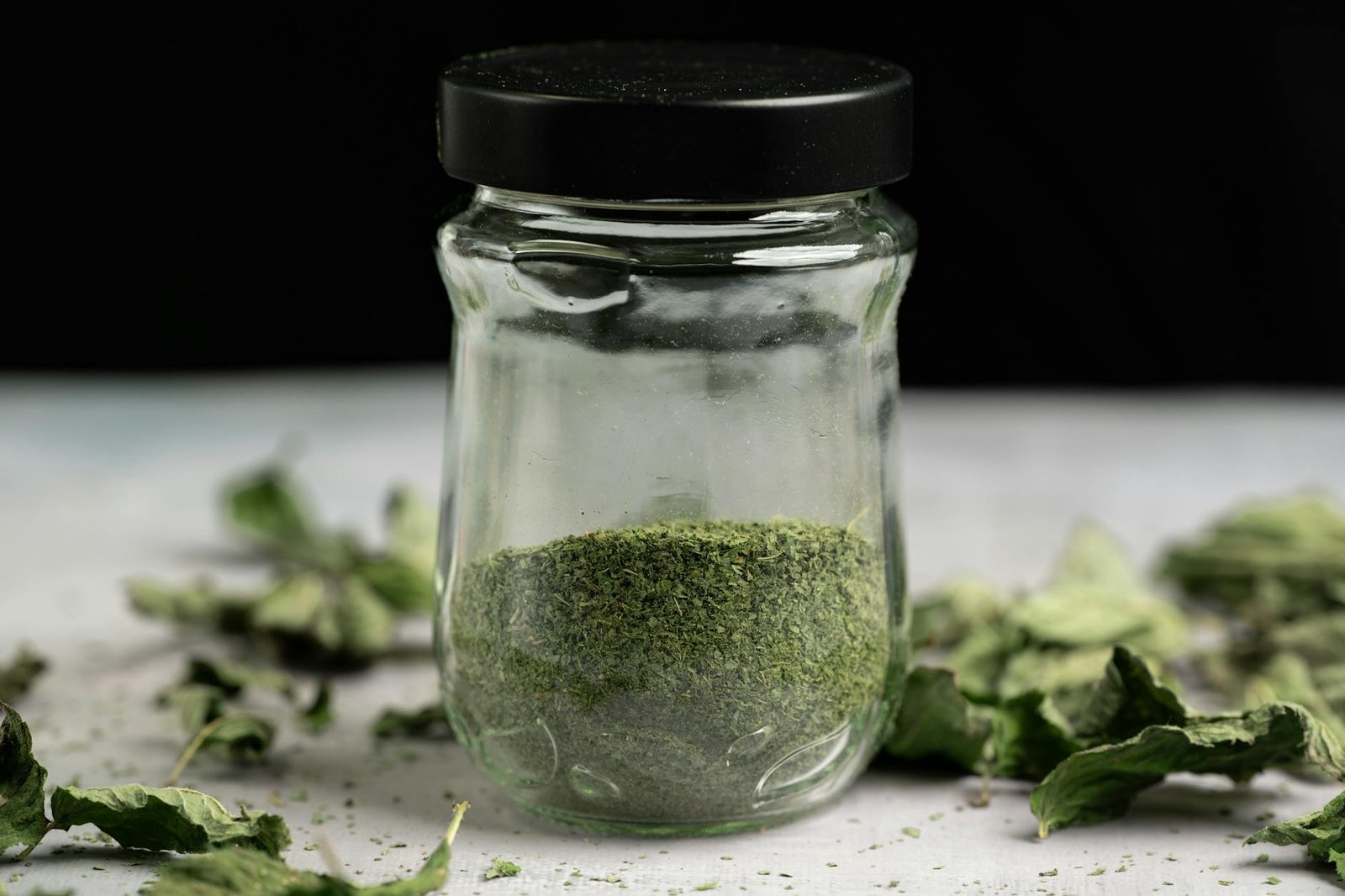
Fresh herbs are not automatically better, and dried herbs are not just a backup. Here is how to choose the right form for flavor, cooking time, and grocery waste.
Home cooks typically see this as a status question. Dried herbs are generally seen as having less status or quality than fresh herbs due to their more attractive appearance. The prettier herb will often get put into our cart because it looks the best. So, buying a bunch of parsley to use one tablespoon of will give us a lot of wasted parsley, or by cooking very delicate basil for long periods of time, we lose much of its desirable flavor. The better question to ask about an herb isn’t which version is more attractive; rather, is what the herb will be doing when in the completed dish.
In practical cooking, dried herbs are usually better for background seasoning in soups, sauces, braises, and roasts because they are more concentrated and need time to rehydrate. Fresh herbs are usually better when the flavor needs to stay bright, green, and obvious at the end of cooking or in raw dishes. Extension guidance also treats dried herbs as a pantry ingredient that keeps best in a cool, dry, dark place for up to about a year. (nchfp.uga.edu)
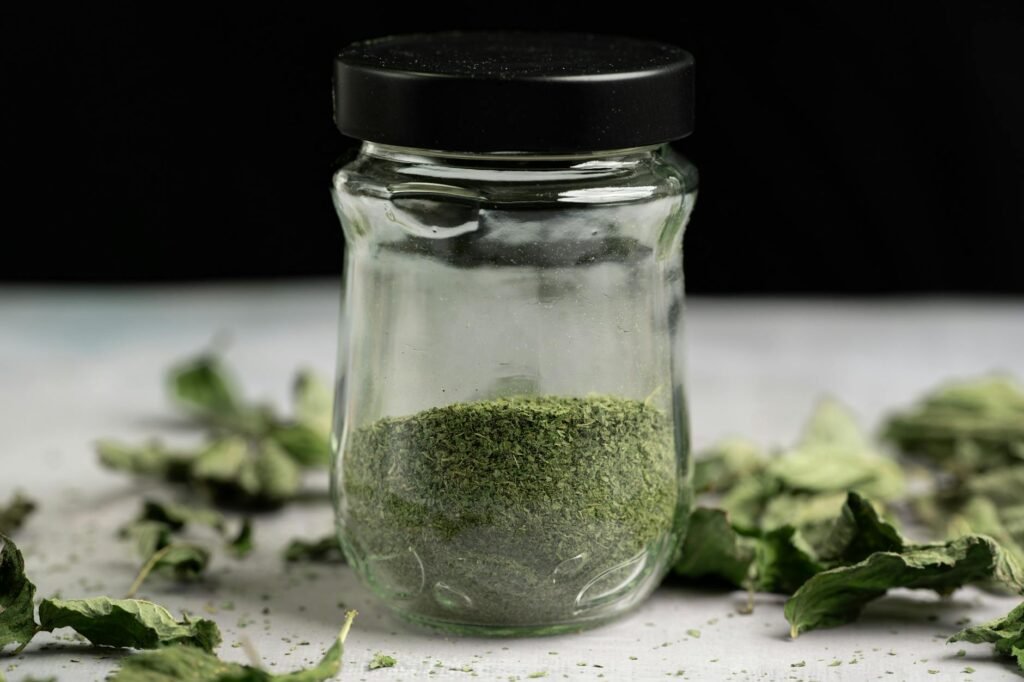
- Buy fresh when the herb is meant to be noticed at the finish, in a garnish, or in a raw sauce. Buy dried when it is seasoning the base of a long-cooked dish. (extension.colostate.edu)
- Start substitutions at 1 tablespoon fresh = 1 teaspoon dried = 1/4 teaspoon powdered herb, then adjust to taste. (extension.oregonstate.edu)
- Woody herbs such as oregano, thyme, rosemary, and sage usually dry well. Parsley, cilantro, and dill often lose more character when dried. (extension.oregonstate.edu)
- If you keep throwing away half a bunch, that herb probably belongs on your dried-or-frozen list for routine meals.
- Wash fresh herbs under running water, not soap, and refrigerate perishable herbs at 40 degrees F or below; basil is a common exception noted by Illinois Extension. (fda.gov)
Use the BUNCH test before you buy
A simple way to choose is the BUNCH test: Base, Use rate, Noticeability, Cook time, Herb type. It is not a chef rule. It is a grocery-and-cooking filter for normal households.
- Base: If the herb is seasoning the base of a soup, sauce, roast, rub, or marinade, dried usually works better because it has time to rehydrate and spread through the dish. (extension.colostate.edu)
- Use rate: If you will not use at least half the bunch soon, dried or frozen is often the lower-waste choice.
- Noticeability: If the herb is supposed to be tasted clearly, seen on the plate, or smelled first, fresh usually earns its price.
- Cook time: Long simmering and roasting favor dried herbs. Quick cooking, no-cook dishes, and last-minute finishing favor fresh herbs. (extension.colostate.edu)
- Herb type: Rosemary, thyme, sage, and oregano usually hold up well when dried. Parsley, cilantro, and dill are often weaker or duller dried and are usually better fresh or frozen. (extension.oregonstate.edu)
If three or more BUNCH signals point in one direction, stop debating and buy that form. That one habit may save more money than memorizing a dozen one-off herb rules.
Where fresh herbs earn their price
Fresh herbs are worth buying when the dish depends on brightness rather than depth. Illinois Extension notes that delicate fresh herbs such as basil, cilantro, dill, parsley, and marjoram are best added in the last few minutes or sprinkled on top because they lose flavor and aroma with prolonged heat. (extension.illinois.edu)
- Pesto, chimichurri, salsa verde, tabbouleh, herb salads, and yogurt sauces
- Tacos, grain bowls, eggs, fish, and roasted vegetables that need a bright finish
- Cold dressings, dips, and compound butters you want to taste right away
- Any recipe where the herb is visually obvious, not just part of the background
This is the key budgeting point: fresh herbs pay off when they do something dried herbs cannot convincingly replace. If the herb is the headline, buy fresh. If it is supporting cast, think harder before paying produce prices for it. Some herbs also simply hold less flavor once dried. Colorado State notes that burnet, chervil, and parsley are best used fresh because they have little flavor once dried or frozen. (extension.colostate.edu)
Where dried herbs are the smarter tool
Dried herbs are not a compromise in the right dish. They are usually 3 to 4 times stronger than fresh herbs, and extension guidance commonly recommends using about one-quarter to one-third as much dried herb when substituting for fresh. Colorado State also advises adding dried herbs near the beginning of cooking so they have time to rehydrate. (nchfp.uga.edu)
- Long-simmered tomato sauce, chili, bean soup, lentils, braises, and stews
- Roasted potatoes, roasted chicken, dry rubs, and seasoning blends
- Weeknight meals where convenience matters more than garnish value
- Households that repeatedly buy fresh oregano or thyme and keep throwing most of it away
For pantry herbs, do one small thing that makes a big difference: crush or rub the dried leaves between your fingers before adding them. Colorado State notes that chopping or grinding breaks plant cells and releases the aromatic oils that carry flavor. In other words, a quick pinch wakes the jar back up. (extension.colostate.edu)
| Dish or use | Best form | Why it works | How to use it well |
|---|---|---|---|
| Long-simmered tomato sauce | Mostly dried | The herb is building background flavor, not acting like garnish. | Add dried oregano or thyme early; finish with fresh basil only if you want a brighter top note. |
| Roasted chicken or potatoes | Mixed | Dried herbs handle oven time well, but fresh herbs lift the finished dish. | Season with dried thyme or rosemary before roasting; toss with fresh parsley after cooking. |
| Pesto, chimichurri, salsa verde | Fresh | These sauces depend on raw aroma, color, and texture. | Chop or process fresh herbs right before serving. |
| Bean soup, lentils, braises | Mostly dried | Long cooking rewards herbs that can rehydrate slowly. | Use dried thyme, oregano, sage, or bay from the start. |
| Eggs, tacos, grain bowls | Fresh | Short cooking and visible garnish matter more than shelf life. | Use cilantro, dill, chives, or parsley at the end. |
| Emergency pantry dinner | Dried | Shelf stability and speed matter more than peak brightness. | Use a smaller amount, crush it first, and taste before adding more. |
How to substitute without flattening the dish
- Switching fresh to dried? Start with one-third as much. A recipe calling for 1 tablespoon fresh usually needs about 1 teaspoon dried, or 1/4 teaspoon powdered herb. (extension.oregonstate.edu)
- Add dried herbs early in soups, sauces, braises, and roasted dishes so they can rehydrate and spread through the food. (extension.colostate.edu)
- Add tender fresh herbs in the last few minutes or at the table. Basil, cilantro, dill, parsley, and marjoram lose aroma with long heat. (extension.illinois.edu)
- Crush dried herbs between your fingers just before using, and chop fresh herbs shortly before they go into the dish. Breaking the cells releases aromatic oils. (extension.colostate.edu)
- In dressings, dips, and other uncooked foods, mix herbs in ahead of time so the flavor can blend before serving. (extension.colostate.edu)
Two cautions matter here. First, the conversion ratio is a starting point, not a guarantee. A tablespoon of loosely chopped parsley and a tablespoon of tightly packed basil do not behave the same way. Second, jar age matters. Penn State says most dried herbs keep well for up to a year and recommends judging their strength by aroma. If the jar smells flat, replace it instead of dumping in double and hoping for the best. (extension.psu.edu)

Tip
Budget shortcut: keep dried oregano, thyme, rosemary, and bay as your default pantry quartet. Buy fresh herbs mainly when the recipe needs visible finish, raw flavor, or a leafy texture.
A realistic grocery example with numbers
Suppose a two-person household plans four meals over two weeks: spaghetti sauce, roast potatoes, chickpea salad, and tacos. If the store prices are $1.99 for fresh oregano, $2.49 for fresh thyme, $1.79 for parsley, and $0.99 for cilantro, buying everything fresh costs $7.26 the first week. The problem is use rate. They may finish the parsley and cilantro, but only use a fraction of the oregano and thyme before those bunches deteriorate.
Now try a mixed strategy: dried oregano for $2.49, dried thyme for $2.49, plus fresh parsley and cilantro. Week one costs $7.76, only 50 cents more. But week two, the household buys only parsley and cilantro again, bringing the two-week total to $10.54 instead of $14.52 if they keep rebuying all four herbs fresh. The lesson is simple: the cheapest herb on the shelf is not always the cheapest herb per finished meal.
When the first plan falls apart
Not every herb gives you a fair fresh-versus-dried choice. Oregon State notes that dill, cilantro, and parsley are milder when dried. Penn State says some herbs maintain flavor better when frozen instead of dried, and the National Center for Home Food Preservation notes that frozen herbs are usually better in cooked dishes than as garnish because they thaw limp. (extension.oregonstate.edu)
- If parsley, cilantro, or dill are central to the dish, buy fresh or freeze extras instead of relying on the dried jar. (extension.oregonstate.edu)
- If basil blackens in the refrigerator, that is a storage issue, not bad luck. Illinois Extension says basil should not be stored in the refrigerator. Use it quickly at room temperature or turn it into a sauce. (extension.illinois.edu)
- If you tried oven-drying herbs at home and the flavor vanished, Penn State says oven drying is generally not recommended because even low heat can destroy much of the flavor, oils, and color. (extension.psu.edu)
- If the bunch is fading and you will not use it raw, freezing is usually the better rescue option. Frozen herbs work well in cooked dishes, but they are usually not attractive as garnish. (extension.psu.edu)
Warning
Fresh herbs in oil are not a casual shelf project. Clemson Extension says shelf-stable herb oils require scientifically tested acidification methods, and lemon juice or vinegar are not approved substitutes for that process. A cautious home-cook approach is to keep small herb-oil batches refrigerated unless you are following a tested preservation method exactly. (hgic.clemson.edu)
Common mistakes that waste money and flavor
- Using the same volume of dried herbs as fresh herbs. Dried herbs are usually much stronger. (nchfp.uga.edu)
- Treating dried parsley like a full substitute for fresh parsley in tabbouleh, gremolata, or herb-heavy salad. It usually tastes weaker and duller. (extension.colostate.edu)
- Adding fresh basil or cilantro at the start of a 45-minute simmer. Tender fresh herbs lose aroma with prolonged heat. (extension.illinois.edu)
- Storing dried herbs above the stove, near the sink, or on a sunny windowsill instead of in a cool, dry, dark spot. (nchfp.uga.edu)
- Washing fresh herbs with soap or produce wash. FDA recommends running water, not soap, detergent, or commercial produce wash. (fda.gov)
- Buying a fresh bunch for a one-tablespoon garnish with no plan for the rest
How to verify the advice in your own kitchen
- Do a jar check once a month. Crush a pinch in your palm and smell it. Penn State recommends judging dried herbs by aroma; if it smells faint, replace it. (extension.psu.edu)
- Run a split-batch test. Reserve one cup of soup or sauce, season one portion with dried herbs early, and finish the other with fresh herbs at the end. Taste them side by side.
- For four weeks, maintain a waste log. All items purchased need to contain purchase date marking and the amount discarded. If over half is discarded two times in a month, transfer herb to dried/frozen list.
- Compare cost per finished meal, not shelf price. A jar that seasons 20 meals may be cheaper than a fresh bunch you use once.
Also verify the safety side when using fresh herbs raw or lightly cooked. FDA advises washing produce under running water, drying it with a clean cloth or paper towel, refrigerating perishable herbs at 40 degrees F or below, and keeping fresh produce separate from raw meat surfaces and utensils. (fda.gov)
The bottom line
Fresh herbs are best when the herb is the point. Dried herbs are best when the herb is part of the foundation. Use the BUNCH test, start with the standard substitution ratio, and let your own waste log settle the budget question. That approach may give you better flavor and fewer half-dead herb bundles in the refrigerator. (extension.oregonstate.edu)
Is the fresh-to-dried herb conversion always 3 to 1?
It is the best starting rule, not a guarantee. Extension guidance commonly uses 1 tablespoon fresh = 1 teaspoon dried = 1/4 teaspoon powdered herb, but the herb’s age, cut size, and role in the dish still matter. Taste and adjust after the first addition. (extension.oregonstate.edu)
Which herbs are usually fine to buy dried?
Oregano, thyme, rosemary, sage, and bay are strong pantry candidates for soups, sauces, braises, rubs, and roasts because they hold up well in dried form and benefit from longer cooking. (extension.colostate.edu)
Which herbs are usually worth buying fresh?
Parsley, cilantro, dill, basil, chives, and mint are usually worth buying fresh when the herb will be tasted clearly in a garnish, dressing, salsa, pesto, or other raw or quick-cooked dish. Illinois Extension also notes that several delicate herbs lose aroma with prolonged heat. (extension.illinois.edu)
Should I refrigerate all fresh herbs?
No. FDA advises refrigerating perishable herbs at 40 degrees F or below, but Illinois Extension notes a common exception: basil should not be stored in the refrigerator. (fda.gov)
Can I freeze leftover herbs instead of drying them?
Yes. Penn State says some herbs maintain their flavor better when frozen than dried. Frozen herbs are usually best used in cooked dishes because they thaw limp and are not ideal as garnish. (extension.psu.edu)
How long do dried herbs stay worth using?
Penn State and Oregon State both note that dried herbs store well for about six months to one year when kept airtight in a cool, dry, dark place. The practical test is aroma: if the herb smells weak, it is time to replace it. (extension.oregonstate.edu)
References
- National Center for Home Food Preservation: Herbs – https://nchfp.uga.edu/how/dry/recipes/herbs/
- Oregon State University Extension: Drying Herbs – https://extension.oregonstate.edu/food/preservation/drying-herbs
- Colorado State University Extension: Herbs, Preserving and Using – https://www.extension.colostate.edu/docs/pubs/foodnut/09335.pdf
- FDA: Selecting and Serving Produce Safely – https://www.fda.gov/food/buy-store-serve-safe-food/selecting-and-serving-produce-safely
- Illinois Extension: Using Fresh Herbs in the Kitchen – https://extension.illinois.edu/news-releases/using-fresh-herbs-kitchen
- Penn State Extension: Preserving Herbs by Drying – https://extension.psu.edu/preserving-herbs-by-drying/
- Penn State Extension: Freezing Herbs – https://extension.psu.edu/freezing-herbs/
- Penn State Extension: Let’s Preserve: Drying Herbs – https://extension.psu.edu/lets-preserve-drying-herbs/
- Clemson Extension: Herb Infused Oils – https://hgic.clemson.edu/factsheet/herb-infused-oils/