

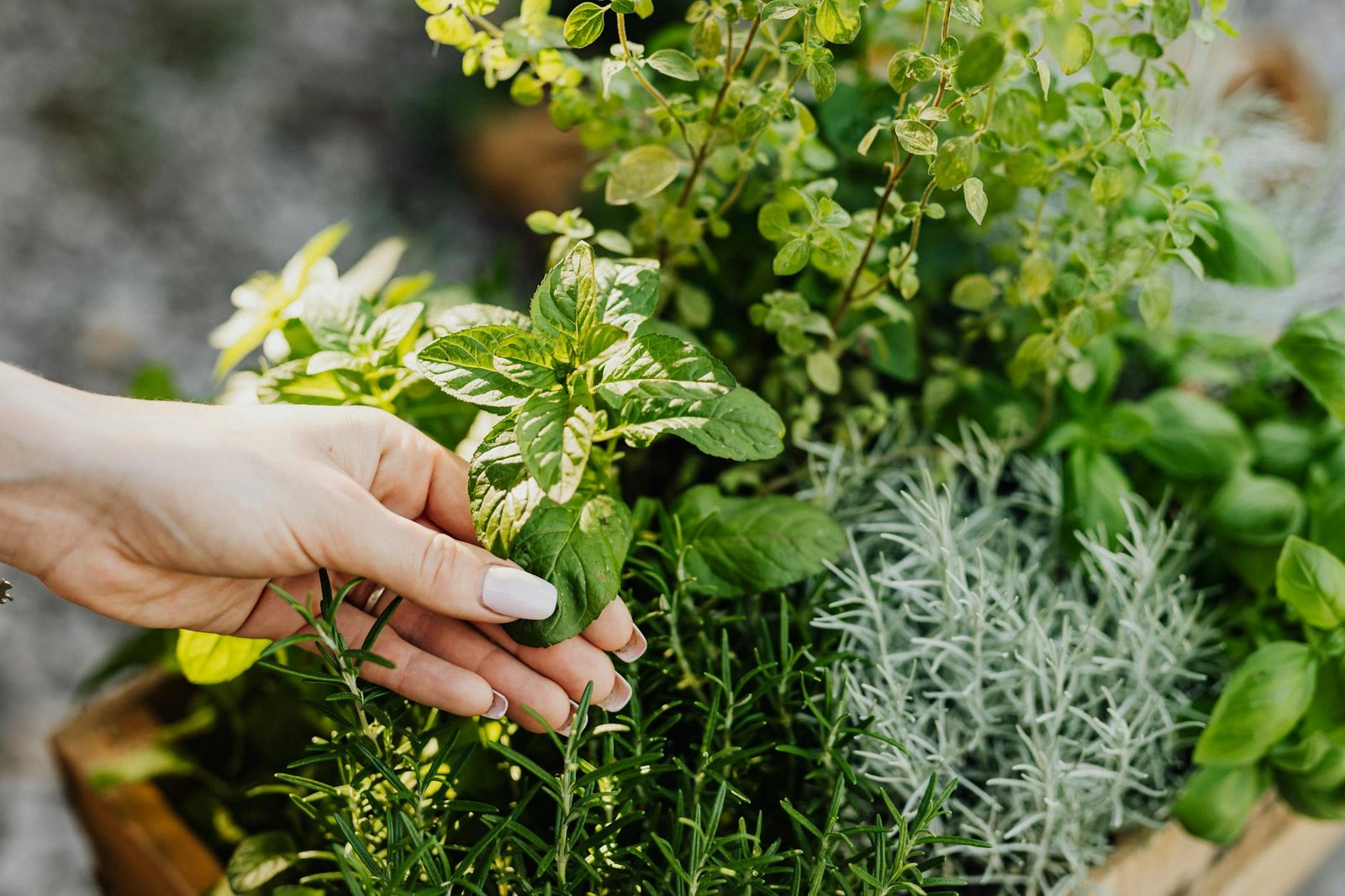
It’s easy to waste money on groceries by buying fresh herbs. A few sprigs are needed for your dish, the rest will wilt in the refrigerator and the dried herbs in your cabinet will be tasteless because they’re old. Growing your own herbs at home can be a solution, but you must consider it an entire small household system: grow only what you truly need or use, harvest at proper times, dry according to the weather conditions by using methods that suit your area, and store to maintain the flavour over time.
TL;DR
- Start with one or two herbs you already buy or use weekly. A small mint or basil setup usually delivers better value than an ambitious mixed herb garden.
- Most herbs need at least six hours of direct sun, drainage holes, and lighter feeding than many vegetables. Too-rich soil can produce lush growth with weaker flavor. (extension.umn.edu)
- Air-dry sturdier herbs in small bundles, but use paper bags or a dehydrator for tender herbs like basil and mint because they mold more easily if drying is slow. (nchfp.uga.edu)
- Store dried herbs whole when possible in airtight containers, in a cool, dry, dark place, and check for condensation after packing. Repeated exposure to air and moisture shortens quality. (nchfp.uga.edu)
- If drying is frustrating, freezing is a valid backup for cooked dishes. Do not leave garlic-in-oil mixtures at room temperature. (nchfp.uga.edu)
This article is for gardening and household-planning purposes only, not medical advice. If you are pregnant, nursing, taking prescription drugs, or plan to use herbs medicinally rather than as ordinary food or tea flavoring, check with a clinician or pharmacist first. Use only plants you can positively identify as safe to consume. (extension.oregonstate.edu)
Use the BREW score before you buy anything
A good home herb setup is not about how many varieties you can name. It is about whether the herb fits your light, your cooking habits, and your preservation plan. Extension guidance is clear on the practical constraints: herbs need sun, drainage, careful watering, and the right drying method; some, like mint, can also spread aggressively if you give them open ground. (extension.umn.edu)
- B – Buy rate: Grow herbs you already purchase fresh, dried, or in tea form at least twice a month.
- R – Right conditions: Give priority to herbs that fit your space. Most herbs want at least six hours of direct sun, good drainage, and lighter fertilizing than many gardeners expect. (extension.umn.edu)
- E – Easy preservation: Choose herbs you can preserve with the setup you actually have. Dry homes can air-dry small bundles; humid homes often do better with a dehydrator or freezing as a backup. (nchfp.uga.edu)
- W – Waste control: Only plant herbs that have at least two uses in your household, such as tea plus cooking, or cooking plus freezer storage.
Score each category from 0 to 3. An herb that scores 9 to 12 is a good first-season plant. In many households, mint scores well because it works for tea and cold drinks, but it should usually be contained in a pot or another barrier. Basil also scores well if you cook with it regularly and have full sun, but it needs faster drying than woody herbs. (extension.umn.edu)
Set up the garden so flavor, not leaf bulk, wins
For most culinary herbs, the basics are simple: well-drained soil, a pH roughly in the 6.0 to 7.5 range, drainage holes in containers, and at least six hours of direct sun. Too much fertility can backfire. University of Minnesota Extension notes that very rich soil can push rapid, lush growth with fewer of the oils that give herbs their aroma and flavor. (extension.umn.edu)
- Use loose, well-drained potting mix in any container, and make sure the pot has drainage holes. Apply water until it runs through, then avoid keeping the soil constantly soggy. (extension.illinois.edu)
- Water thoroughly, but do not let herbs wilt between waterings. Indoor herbs should be watered when the soil feels dry about a half inch below the surface. Outdoor pots may need water daily in hot, sunny weather. (extension.umn.edu)
- Fertilize sparingly. In containers, lighter feeding is usually enough, and Illinois Extension specifically advises against overfertilizing herbs. (extension.umn.edu)
- Pinch and harvest regularly so plants stay compact and productive. Container herb guidance from Illinois Extension recommends pinching through the season to keep plants bushy. (extension.illinois.edu)
- Keep mint contained. Oregon State and Minnesota both note that mint and lemon balm can spread aggressively, so pots are often the cheapest way to avoid a long-term garden problem. (extension.oregonstate.edu)
- Harvest before flowering when possible. Many herbs have the best flavor just before bloom, and mid-morning after dew dries is a good picking window. (extension.umn.edu)
Pick the right drying method for your batch
| Method | Best for | Typical timing | Cash cost | Main risk | Best use case |
|---|---|---|---|---|---|
| Air-dry small bundles | Less tender herbs like rosemary, sage, thyme, summer savory, and parsley | Usually 7 to 14 days indoors | Lowest | Large bunches dry poorly and can mold | Best if your house is dry and you only have small harvests. (nchfp.uga.edu) |
| Paper-bag air drying | Tender herbs with more moisture, including basil, oregano, tarragon, lemon balm, and mints | Varies by room conditions | Very low | Big bunches can mold if air cannot circulate | Best no-appliance option for tender leaves if you keep bunches small. (nchfp.uga.edu) |
| Dehydrator | Humid homes, larger harvests, or tender herbs you want dried quickly | About 1 to 4 hours at 95°F to 115°F; up to 125°F may help in higher humidity | Higher upfront | Paying for equipment you barely use | Best if you expect repeated harvests or struggle with slow indoor drying. (nchfp.uga.edu) |
| Freeze instead of dry | Extra fresh herbs for cooked dishes | Immediate prep, then freezer storage | Low to moderate | Texture becomes limp after thawing | Best backup if drying quality is disappointing and the herbs will go into soups, sauces, or stews. (nchfp.uga.edu) |
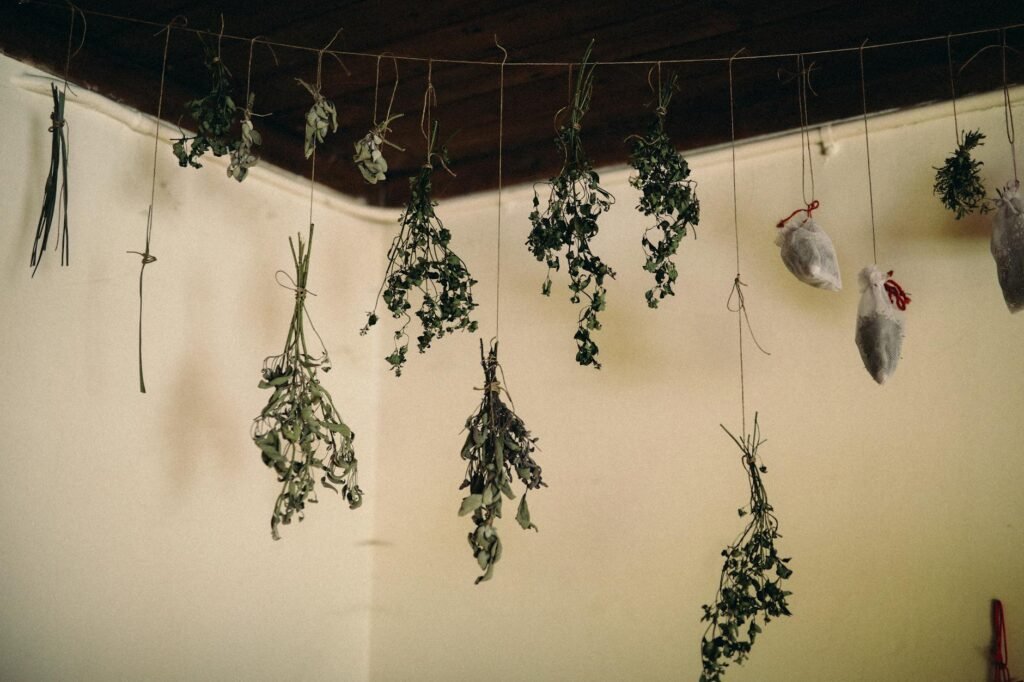
Harvest, dry, and store herbs in the right order
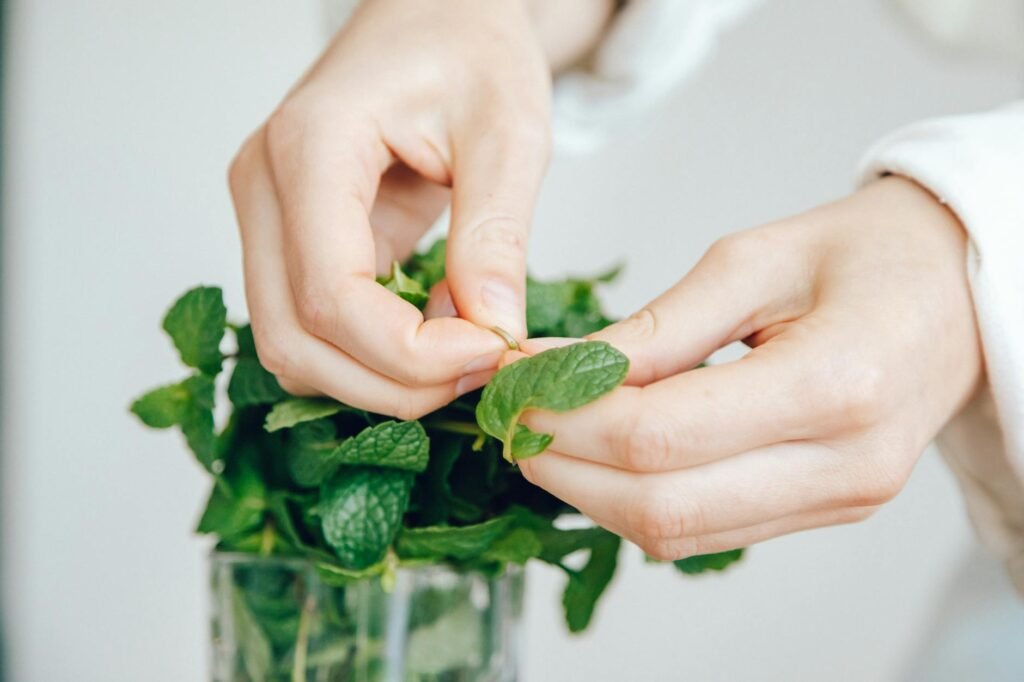
- Cut only what you can handle that day. Mid-morning, after dew has dried and before the heat builds, is a good time to harvest. For annual leafy herbs, leave enough shoots for regrowth; Illinois Extension suggests leaving 4 to 6 inches on annuals and taking only the top third of perennials. (extension.umn.edu)
- Keep the harvest out of direct sun. If herbs are dirty, rinse gently and remove surface moisture well. Extra water slows drying. (nchfp.uga.edu)
- Separate tender herbs from woody herbs before drying. Basil and mint need faster, better-ventilated drying than thyme or rosemary. (nchfp.uga.edu)
- Dry until leaves crumble easily and stems break when bent. If you are air-drying, keep bunches small so air can move through them. (nchfp.uga.edu)
- Strip leaves from stems for storage, because stems hold moisture longer. Store leaves whole when possible because larger pieces keep flavor better. (extension.umn.edu)
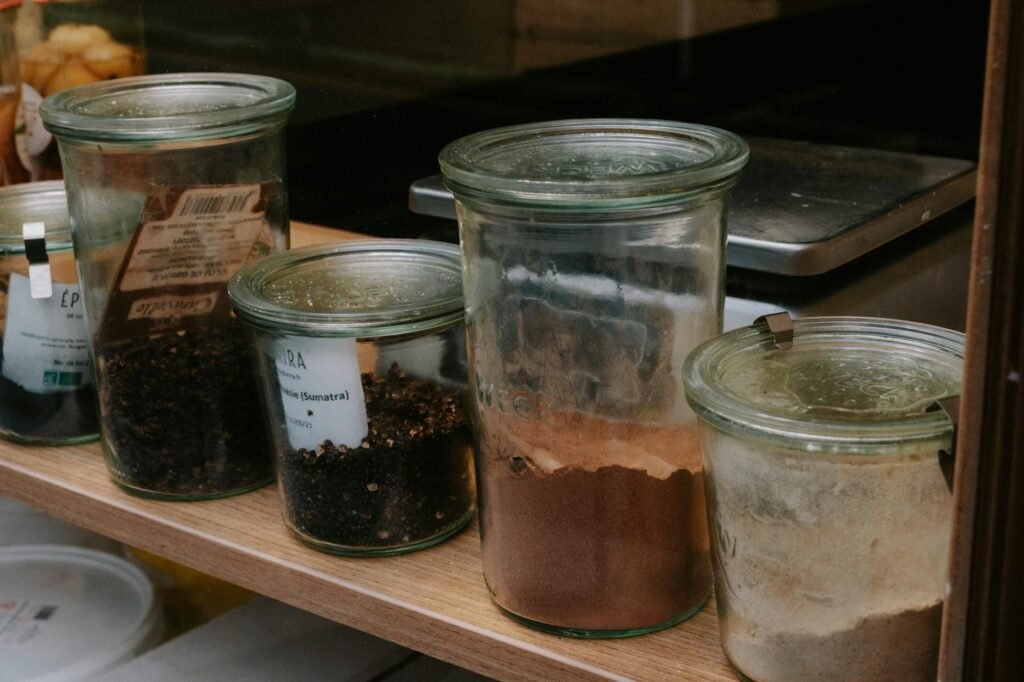
- Cool the dried herbs completely before packing. Warm herbs can sweat inside the jar, which raises mold risk. Pack in airtight containers and keep them in a cool, dry, dark place. (nchfp.uga.edu)
- Use smaller containers if possible. The National Center for Home Food Preservation recommends packing dried foods in amounts you will use at one time so repeated reopening does less damage. (nchfp.uga.edu)
Once dried, home herbs are concentrated. The National Center for Home Food Preservation notes that dried herbs are usually three to four times stronger than fresh, and a common recipe substitution is one-quarter to one-third of the fresh amount. For tea, Oregon State’s Garden Herbal Tea recipe uses 1 to 2 tablespoons of dried herbs or 2 to 4 tablespoons of fresh herbs for one cup, then a 10-minute steep. (nchfp.uga.edu)
A starter budget with real-world numbers
As checked on May 21, 2026, Target listed Burpee Spearmint Herb Seeds at $1.99, and Twinings Pure Peppermint Tea 100-count at $16.99. Burpee listed Greek basil seed at $5.95 and flat-rate seed shipping at $3.95. Walmart listed a 12-pack of Ball 8-ounce half-pint jars at $26.00, and an 8-ounce bag of dried mint at $13.99. (target.com)
This shows us very well the money part of home herb gardening. The main cost of a home herb gardening project will usually not come from the actual herbs you want to grow but rather from the supplies that you need for the project. A renter could try to grow mint or basil for very little money (if they already have pots and some clean jars). A family could easily spend more on the new jars and special planters and a dehydrator before they have a successful harvest than what it would cost to purchase 2 or 3 boxes of retail teas or jars of dried herbs. Begin with 1 herb that you will frequently use, 1 pot or planter and 1 way to preserve your herbs that you can perform successfully. Only get additional supplies after you have successfully harvested at least 1 full growing season using only the supplies you already own.
The cheapest successful herb setup is usually the one that reuses what you already own: one pot with drainage, basic potting mix, kitchen scissors, and a small airtight jar.
When the first plan is not enough
Not every home is good at every herb task. Low light leads to weak, spindly indoor growth. Constantly wet soil encourages root rot. Humid homes make tender herbs harder to air-dry. And some herbs, especially mint-family plants, spread fast enough to become a maintenance problem instead of a bargain. (extension.umn.edu)
- If indoor light is weak, scale back the plan instead of fighting it. University of Minnesota notes that indoor herbs often need fluorescent or other artificial light, with about 12 hours daily for most indoor-grown herbs. (extension.umn.edu)
- If your house is humid, use a dehydrator for tender herbs or freeze them for cooked dishes. Tender herbs such as basil and mint mold more easily if drying is too slow. (nchfp.uga.edu)
- If your harvest comes all at once, do not force everything into one giant air-dry bundle. Freeze part of it and dry only what you can manage properly. (nchfp.uga.edu)
- If you want to keep rosemary, bay, lavender, or sage through winter in a colder climate, move container plants indoors gradually in early fall and inspect them for pests first. (extension.illinois.edu)
- If you planned to store herbs in oil on the counter, change course. Garlic-in-oil mixtures are not safe for room-temperature storage; they should be refrigerated for no more than 4 days or frozen for longer storage. (nchfp.uga.edu)
Common mistakes that waste time or money
- Growing too many herbs in year one. A crowded trial garden usually creates drying and storage problems faster than it creates savings.
- Using rich soil and heavy fertilizer because bigger looks better. Herbs often lose flavor quality when pushed into lush growth. (extension.umn.edu)
- Putting mint straight into open ground when a pot would do. Aggressive spreaders can become a long-term cleanup job. (extension.oregonstate.edu)
- Harvesting after the plant has already pushed well into flower. Flavor is often best just before bloom. (extension.umn.edu)
- Hanging large basil or mint bunches in a humid kitchen. NCHFP specifically warns that large amounts of tender herbs can mold. (nchfp.uga.edu)
- Crushing all your dried herbs immediately. Whole leaves generally hold flavor better in storage. (extension.umn.edu)
- Keeping herb jars next to the stove or reopening the same big jar repeatedly. Heat, light, air, and moisture all work against storage quality. (nchfp.uga.edu)
- Making tea from unidentified or questionable plants. Oregon State says to use only ingredients you know are safe to consume. (extension.oregonstate.edu)
How to pressure-test your results
Before expanding from only one or two of your dried herbs in jars to a complete drying shelf, consider performing a simple audit with just one jar of herbs from your home. The purpose of this audit is to determine if the method that you use for drying your herbs at home produces enough herbs for you to continue using them.
- Label one jar with the herb name, drying method, and date.
- Check the jar after the herbs have cooled and been packed. If you see condensation, re-dry and repack. NCHFP recommends watching for moisture in storage, especially in glass containers where it is easy to spot. (nchfp.uga.edu)
- At 30 days, rub one leaf between your fingers. If the smell is weak, the fix may be earlier harvest, stronger light during growth, gentler drying, or better storage away from heat and light. This is an editorial inference based on extension guidance about harvest timing, light, and storage quality. (extension.umn.edu)
- Brew one cup and compare it with what you would normally buy. Oregon State’s starting point is 1 to 2 tablespoons of dried herbs or 2 to 4 tablespoons of fresh herbs per cup, steeped for 10 minutes. (extension.oregonstate.edu)
- If you keep reopening a large container, divide future batches into smaller jars so each portion stays fresher longer. (nchfp.uga.edu)
Bottom line
Homegrown herbs provide maximum savings when replacing regular small purchases and preventing waste as opposed to making a hobby out of planting herb gardens. Begin with using an herb that you will use frequently, ensure sunlight, drainage, prune before flowering, match the method of drying based on the type of leaf, and store the finished product as you would if it were any other pantry item that requires storage from heat, air, or moisture exposure. When all of these items are followed correctly, one pot can be worth more than an entire shelf full of stale jars.
Which herbs are best for a beginner who wants both tea and kitchen use?
Mint is a strong first choice because it works in tea and drinks, but it should usually be kept in a container because it can spread aggressively. Basil is another good beginner herb if you cook with it often and have full sun. Thyme, parsley, rosemary, chives, and oregano are also common container herbs, though your best first pick is the one you already buy and use most. (extension.oregonstate.edu)
Do I need a dehydrator to dry herbs well?
No. Air-drying works well for sturdier herbs such as rosemary, sage, thyme, summer savory, and parsley, especially in a dry indoor space. A dehydrator becomes more useful when you live in a humid climate, need faster turnaround, or want to dry tender herbs like basil and mint with more control. (nchfp.uga.edu)
How do I know when herbs are dry enough to store?
The National Center for Home Food Preservation says herbs are dry when the leaves crumble and stems break when bent. After packing, watch for condensation in the container. If moisture appears, re-dry the herbs and repack them. (nchfp.uga.edu)
How long do dried herbs last at home?
A well-dried, well-stored batch can usually last up to a year, but quality falls faster with heat, light, moisture, and repeated reopening. Whole leaves generally hold flavor better than pre-crushed herbs. (extension.umn.edu)
Should I wash herbs before drying them?
If the herbs have dirt or debris, rinse them gently and remove as much surface moisture as possible before drying. NCHFP also advises rinsing herbs in cool water and shaking off excess moisture. The key is not to put wet herbs straight into a slow drying setup. (nchfp.uga.edu)
Can I keep herb or garlic oil at room temperature?
That is not a good idea. NCHFP states that garlic-in-oil mixtures stored at room temperature are at risk for botulism. Their guidance is to refrigerate garlic-in-oil at 40°F or below for no more than 4 days or freeze it for longer storage. (nchfp.uga.edu)
References
- University of Minnesota Extension: Growing herbs in home gardens – https://extension.umn.edu/vegetables/growing-herbs
- Illinois Extension: Growing Herbs in Containers – https://extension.illinois.edu/container-gardens/growing-herbs-containers
- National Center for Home Food Preservation: Herbs – https://nchfp.uga.edu/how/dry/recipes/herbs/
- National Center for Home Food Preservation: Packaging and Storing Dried Foods – https://nchfp.uga.edu/how/dry/drying-general/packaging-and-storing-dried-foods/
- National Center for Home Food Preservation: Freezing Fresh Herbs – https://nchfp.uga.edu/how/freeze/vegetable/freezing-fresh-herbs/
- National Center for Home Food Preservation: Freezing Garlic-In-Oil – https://nchfp.uga.edu/how/freeze/vegetable/freezing-garlic-in-oil/
- Oregon State University Extension: Garden Herbal Tea – https://extension.oregonstate.edu/imported-publication/garden-herbal-tea
- Poison Control: Common periwinkle (Vinca minor) – https://www.poison.org/articles/common-periwinkle-223
- Poison Control: Pennyroyal oil: A potentially toxic folk remedy – https://www.poison.org/articles/pennyroyal-oil
- Target: Burpee Spearmint Herb Seeds – https://www.target.com/p/-/A-1006570365
- Target: Twinings Pure Peppermint Tea – 100ct – https://www.target.com/p/-/A-89862869
- Burpee: Greek Basil Seed – https://www.burpee.com/basil-greek-prod000453.html