

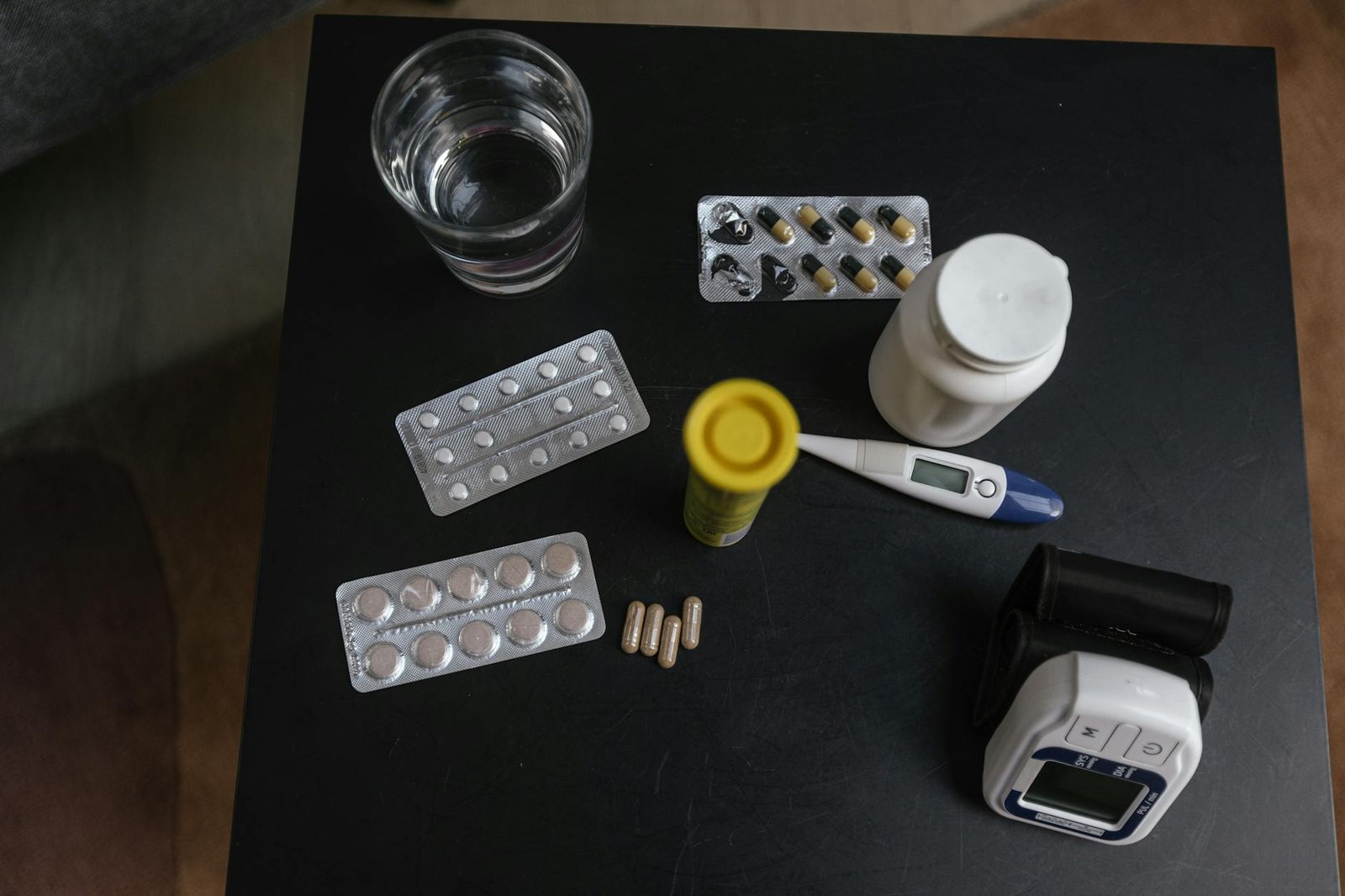
- Herbs can make a medicine stronger, weaker, or less predictable. The highest-stakes situations involve narrow-therapeutic-index drugs such as warfarin, digoxin, and cyclosporine, plus any upcoming surgery. (nccih.nih.gov)
- St. John’s wort is a major red-flag herb because documented interactions include oral contraceptives, warfarin, digoxin, cyclosporine, benzodiazepines, and certain antidepressants. (nccih.nih.gov)
- Garlic and ginkgo can raise bleeding risk, kava and valerian may be a bad fit with sedatives, goldenseal may lower metformin levels, and concentrated green tea supplements may lower levels of nadolol or atorvastatin. (nccih.nih.gov)
- Before you buy, use the HARM screen in this article: High-risk prescription, Additive effect, Reduced prescription effect, and Monitoring needs.
- Keep one complete list of every prescription, OTC drug, and supplement. NIH offers a printable medicine-and-supplement record, and FDA says serious supplement reactions should be reported after you stop the product and get medical care. (ods.od.nih.gov)
Herb-medication interactions are usually framed as a health issue, and they are. But for households, they are also a spending issue. A bottle that looked harmless can lead to wasted supplement purchases, extra lab work, a delayed procedure, or a prescription that stops working the way your clinician intended. Supplements are regulated differently from drugs, and unlike prescription medicines, they are not approved by the FDA for safety or effectiveness before they reach consumers. FDA and NIH also warn that some supplements can interact with medications, interfere with lab tests, or create problems around surgery. (fda.gov)
The useful question is not whether an herb is natural. The useful question is whether it can change the medicine you need to stay stable. That matters most if you take a drug with a narrow therapeutic range, if you have a condition that can turn risky quickly, or if surgery or dental work is coming up soon. (nccih.nih.gov)

This article is informational only and is not medical, pharmacy, or financial advice. Do not stop a prescribed medication or start an herb because of an article. If you take a blood thinner, seizure medicine, transplant medicine, heart medicine, HIV treatment, diabetes medicine, or if you are pregnant or preparing for surgery, get individualized advice from a pharmacist or clinician before taking any herbal supplement. (nccih.nih.gov)
Use the HARM screen before you buy anything
This tool is meant to help you during your everyday life, not as a resource for looking up medical information about an individual. If you have H or the R, you should stop purchasing it and get a live review prior to administering the first dose to that individual. If you have an A, consider whether there is potential serious harm associated with a one-time use. If you have an M, please do not utilize your own experience to assist in your determination of whether the item is risky; unclear products are not classified as low risk.
| HARM letter | Ask this first | Common red flags | What to do next |
|---|---|---|---|
| H = High-risk prescription or condition | Am I on a medicine that needs tight control, or do I have a condition that changes the answer immediately? | Warfarin, digoxin, cyclosporine, seizure medicines, diabetes medicines, pregnancy, liver or kidney disease, or upcoming surgery. (nccih.nih.gov) | Do not start the herb until a pharmacist or prescriber reviews the exact product. |
| A = Additive effect | Could this herb push the same effect too far? | Garlic or ginkgo with blood thinners can raise bleeding risk. Kava or valerian with sedatives or alcohol can increase sedation. St. John’s wort with certain antidepressants can increase serotonin-related side effects. (nccih.nih.gov) | If the downside could be serious, treat this as a stop-and-check, not a maybe. |
| R = Reduced prescription effect | Could the herb make my medicine work less well? | St. John’s wort can reduce the effectiveness of oral contraceptives, warfarin, digoxin, cyclosporine, and other drugs. Concentrated green tea supplements can lower nadolol or atorvastatin levels. Goldenseal lowered metformin levels by about 25 percent in one study. (nccih.nih.gov) | Assume no until the interaction is reviewed and a plan is written down. |
| M = Monitoring or missing details | Do I know exactly what is in the bottle, and who will monitor me if I use it? | You need the herb name, dose, plant part, serving size, and whether it is a proprietary blend. ODS notes that quality can be hard to determine from the label alone. (ods.od.nih.gov) | If the label is vague, the blend is messy, or no one is monitoring, do not buy it yet. |
This display was made with a cautious approach; it is a feature and not a disadvantage. When you buy an herb for the first time, the costliest herb will be one that has created a issues with your medication and now needs to be discarded after you paid for it. The follow-up visit to your physician will also increase your anxiety level.
What to ask before you take the first capsule, tea, tincture, or gummy
- Read the bottle like it is a medication label. Note the exact herb, dose per serving, plant part, serving size, and whether the bottle uses a proprietary blend. If you cannot identify the ingredients clearly, do not try to clear it yourself. (ods.od.nih.gov)
- Make one full list of everything you already use: prescriptions, OTC drugs, as-needed medicines, vitamins, supplements, aspirin, NSAIDs, sleep aids, and herbal teas. Interactions can involve prescription drugs, OTC drugs, supplements, and even food. (nccih.nih.gov)
- Ask two separate questions, not one: Could this herb make my medicine stronger, and could it make it weaker? Those are different risks, and St. John’s wort, green tea supplements, and goldenseal show why. (nccih.nih.gov)
- Tell the reviewer about timing issues that can change the answer quickly: surgery or dental work, pregnancy, breastfeeding, liver or kidney disease, heart disease, and any history of abnormal bleeding. (nccih.nih.gov)
- Ask what symptoms should make you stop and call right away. FDA lists warning signs such as abnormal bleeding, yellowing skin or eyes, fainting, palpitations, chest pain, trouble breathing, dark urine, or major mood changes. (fda.gov)
- Write down one plain-English plan: start, avoid, hold until after surgery, switch to a single-ingredient product, or wait until labs or the prescriber review are done. Bring that plan to every appointment. (ods.od.nih.gov)
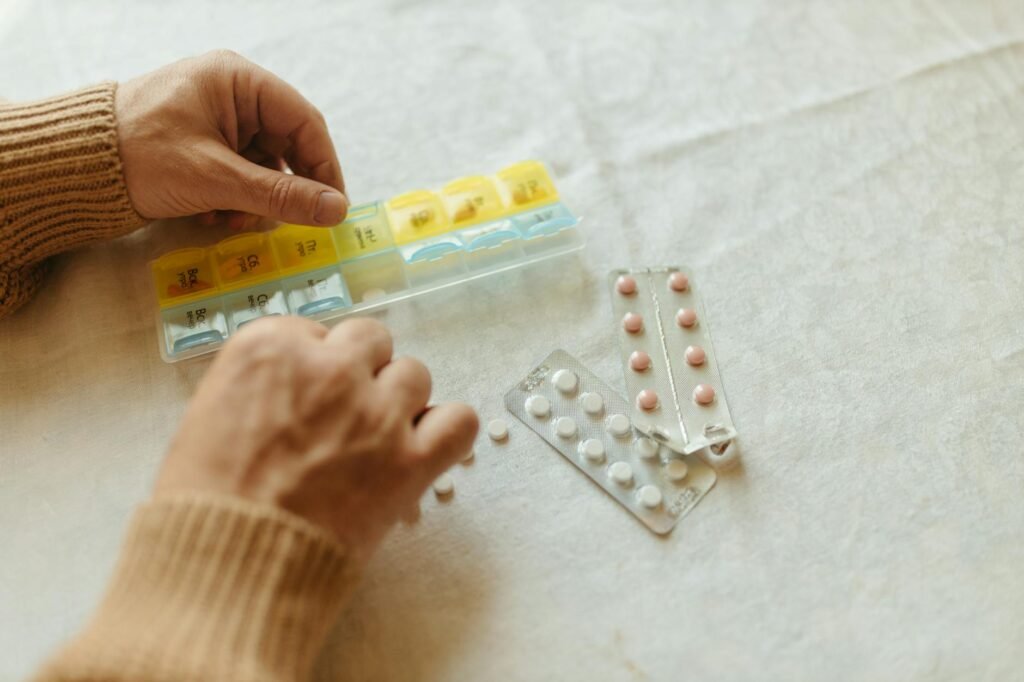
Where the biggest interaction risks usually show up
| If this sounds like you | Herbs that deserve extra caution | Why the mix is not casual | Best next step |
|---|---|---|---|
| You take warfarin, aspirin, or another blood thinner or antiplatelet drug | Garlic, ginkgo, ginseng, St. John’s wort | Bleeding risk or drug effect can change in clinically important ways. MedlinePlus specifically tells warfarin patients to disclose garlic, ginkgo, ginseng, goldenseal, and St. John’s wort. (medlineplus.gov) | Do not start until your pharmacist or prescriber reviews the exact product. |
| You take an antidepressant, benzodiazepine, sleep medicine, or you regularly combine products with alcohol | St. John’s wort, kava, valerian | The concern is either serotonin-related side effects or too much sedation. Kava also has rare but sometimes severe liver injury concerns. (nccih.nih.gov) | Pause first. This is not a good category for trial and error. |
| You take diabetes medication, especially metformin | Goldenseal | A study funded by NCCIH found metformin levels decreased about 25 percent with goldenseal, enough to potentially hinder glucose control. (nccih.nih.gov) | Ask the clinician managing your diabetes before you spend money on the supplement. |
| You rely on birth control, transplant drugs, HIV treatment, digoxin, warfarin, nadolol, or atorvastatin | St. John’s wort and concentrated green tea supplements | These are examples where an herb or concentrated extract can lower medication levels or reduce effectiveness. (nccih.nih.gov) | Treat the herb as off-limits until a pharmacist or prescriber says otherwise. |
| You have surgery or dental work coming up | Any herb, especially garlic, ginkgo, kava, or valerian | Supplements may affect anesthesia, bleeding, heart rate, or blood pressure during procedures. (nccih.nih.gov) | Tell the surgeon, dentist, and anesthesia team early and follow their timing instructions. |
| You have high blood pressure, heart disease, kidney disease, or use corticosteroids | Licorice root | Licorice can cause serious effects such as irregular heartbeat, and interactions with corticosteroids have been reported. (nccih.nih.gov) | Do not self-start this one without individualized advice. |
This table is a first filter, not a complete answer. NCCIH notes that the evidence base for herb-drug interactions is still incomplete and that many listed interactions are based on indirect or limited evidence rather than definitive clinical trials. That is exactly why a live review matters more than a social media post or a front-label promise. (nccih.nih.gov)

A realistic household example: when a small supplement purchase stops being cheap
Consider a household already spending about $60 a month on OTC products and supplements. One adult wants to add St. John’s wort for mood at $24. Another wants concentrated green tea extract for weight management at $18. A third bottle of goldenseal for cold season costs $16. On paper, it looks like a $58 experiment. Under the HARM screen, it is really three separate medication questions involving an antidepressant, atorvastatin, birth control, or metformin. (nccih.nih.gov)
The cheapest move is not to see what happens for a month. The cheapest move is to pause, photograph the labels, and ask a pharmacist before anyone takes the first dose. If the answer is no, the household keeps the $58. If the answer is maybe later, they avoid wasting money on bottles that will end up in the back of a cabinet. And if the mix would have led to extra labs, a canceled procedure, missed work, or an urgent care visit, the avoided cost may be much larger.
Common mistakes that create preventable risk
- Assuming natural means gentler. NCCIH says herbal products can carry the same dangers as other pharmacologically active compounds. (nccih.nih.gov)
- Checking only the marketing claim on the front of the bottle instead of the Supplement Facts panel and other ingredients list. (ods.od.nih.gov)
- Buying a multi-ingredient blend when you really wanted one ingredient. Proprietary blends make review harder from the start. (ods.od.nih.gov)
- Forgetting OTC medicines and as-needed products such as aspirin, ibuprofen, naproxen, antacids, cough products, or sleep aids when you ask about interactions. (nccih.nih.gov)
- Starting two new supplements at once. If something goes wrong, you have made the problem harder and more expensive to sort out.
- Not telling the dentist, surgeon, or anesthesia team. Surgery is one of the situations where supplement interactions matter most. (nccih.nih.gov)
- Ignoring warning signs such as abnormal bleeding, yellow eyes, chest pain, dark urine, wheezing, or fainting. (fda.gov)
When the simple plan breaks down
Sometimes the honest answer is that no one can give you a clean yes or no in 30 seconds. The herb may be poorly studied. The product may combine six botanicals. The clinician may not recognize the brand. NCCIH says many listed herb-drug interactions are based on indirect evidence, and ODS notes that quality can be difficult to judge from the label alone. In those cases, uncertainty is not a green light. It is a reason to be more conservative. (nccih.nih.gov)
- Default to single-ingredient products. If you cannot review each ingredient, do not treat the blend as cleared.
- Delay the supplement until after the medication change, elective procedure, or pregnancy discussion is complete. Timing alone can lower risk. (nccih.nih.gov)
- Use the pharmacist as the first stop for interaction screening, then loop in the prescriber if the herb touches a high-risk medication or a condition that needs lab monitoring. (ods.od.nih.gov)
- If the product goal is vague, skip the purchase and ask whether the symptom needs medical evaluation instead. That is often the better financial decision.
- If you still proceed after review, start one product at a time, keep the dose and brand stable, and write down the start date so any side effects are easier to trace. (ods.od.nih.gov)
How to verify and pressure-test your decision
In order for a supplement decision to be appropriate, it must be able to be audited. If, tomorrow, another pharmacist or a clinician evaluated the supplement plan as written, they should be able to read the original intents (to take a supplement), the reason(s) for wanting the supplement, the label information, and elements of monitoring the use of the supplement through `watching out for` information.
- Build one master list. NIH offers My Dietary Supplement and Medicine Record, and MedlinePlus also advises keeping a written list of all medicines and supplements. (ods.od.nih.gov)
- Verify the label details from the Supplement Facts panel: herb name, dose, plant part, serving size, and whether there is a proprietary blend. (ods.od.nih.gov)
- Cross-check the ingredient in NCCIH’s Herbs at a Glance or herb-specific safety pages, then check MedlinePlus if the medication is high-risk. (nccih.nih.gov)
- Use NIH’s Dietary Supplement Label Database to compare label information, but remember the database itself says labels may be incomplete or inaccurate and inclusion is not an endorsement. (dsld.od.nih.gov)
- Prefer products with clear labeling and, when available, independent third-party verification such as USP. That can help with identity and contamination concerns, but it does not prove the product is safe with your medication list. (nccih.nih.gov)
- Ask for a monitoring rule in plain English. Example: If I notice bruising, black stools, yellow eyes, fainting, racing heartbeat, or breathing trouble, do I stop the supplement and who do I call? (fda.gov)

If you suspect a serious supplement reaction, stop the product and seek medical care right away. FDA says serious warning signs can include abnormal bleeding, chest pain, trouble breathing, dark urine, irregular heartbeat, severe GI symptoms, major mood changes, or yellowing of the skin or eyes. After urgent care, report the event to FDA through the Safety Reporting Portal. (fda.gov)
Bottom line
Herb-medication safety is not about whether a bottle says natural. It is about whether the herb can change the prescription you depend on. If the herb touches bleeding, sedation, serotonin, blood sugar, blood pressure, liver function, surgery, or a narrow-therapeutic-index drug, the default move is pause first, ask second, buy last. (nccih.nih.gov)
Is herbal tea safer than a capsule or tincture?
Sometimes the dose in a tea is lower, but safety depends on the ingredient, concentration, and your medication list. Concentrated green tea supplements, for example, have documented interaction concerns, so the format alone does not make a product safe. (nccih.nih.gov)
How long before surgery should I stop herbal supplements?
There is no one rule for every herb. NCCIH advises telling the surgical team as far in advance as possible because some supplements affect bleeding, anesthesia, heart rate, or blood pressure, and some clinicians ask patients to stop all herbal supplements several weeks before elective surgery. Follow your surgeon’s and anesthesiologist’s instructions, not a generic timeline from the internet. (nccih.nih.gov)
If my doctor says they do not know the herb, what should I do?
Do not treat that as permission to start it. Bring the bottle or clear photos to your pharmacist, switch to a single-ingredient product if possible, and use NIH and MedlinePlus sources to confirm the exact ingredient. If the herb cannot be clearly identified, skip it. (nccih.nih.gov)
Does a label that says standardized or USP verified mean there are no interaction risks?
No. ODS says standardization does not have a legal or regulatory definition for supplements in the United States, so the word standardized does not necessarily indicate quality. Third-party verification can help with identity and contamination control, but it does not clear the product against your medication list. (ods.od.nih.gov)
Should I ever stop a prescription and use an herb instead?
Not without the clinician managing that condition. FDA and NIH materials stress that supplements are not medicines and should not replace prescribed treatment, and interaction risk rises when people swap or mix products without guidance. (fda.gov)
What if I am already taking the mix and feel fine?
Feeling fine does not rule out a problem. Some interactions reduce effectiveness quietly or only show up on labs, and that matters most with high-risk drugs such as warfarin, digoxin, and cyclosporine. Make a full list and ask a pharmacist or clinician to review it now rather than waiting for symptoms. (nccih.nih.gov)
References
- FDA 101: Dietary Supplements – https://www.fda.gov/consumers/consumer-updates/fda-101-dietary-supplements
- How to Report a Problem with Dietary Supplements – https://www.fda.gov/food/dietary-supplements/how-report-problem-dietary-supplements
- Background Information: Dietary Supplements – Consumer – https://ods.od.nih.gov/factsheets/dietarysupplements-Consumer/
- Dietary Supplements: What You Need to Know – Consumer – https://ods.od.nih.gov/factsheets/WYNTK-Consumer/
- Herb-Drug Interactions: What the Science Says – https://www.nccih.nih.gov/health/providers/digest/herb-drug-interactions-science
- Herb-Drug Interactions – https://www.nccih.nih.gov/health/providers/digest/herb-drug-interactions?nav=tw
- Know the Science: How Medications and Supplements Can Interact – https://www.nccih.nih.gov/health/know-science/how-medications-supplements-interact
- Some Medication-Supplement Interactions Can Be Serious – https://www.nccih.nih.gov/health/know-science/how-medications-and-supplements-can-interact/some-medication-supplement-interactions-can-be-serious
- Tips on Reading Supplement Labels – https://www.nccih.nih.gov/health/know-science/how-medications-and-supplements-can-interact/tips-on-reading-supplement-labels
- Herbs at a Glance – https://www.nccih.nih.gov/health/herbsataglance
- Warfarin: MedlinePlus Drug Information – https://medlineplus.gov/druginfo/meds/a682277.html
- Dietary Supplement Label Database – https://dsld.od.nih.gov/