

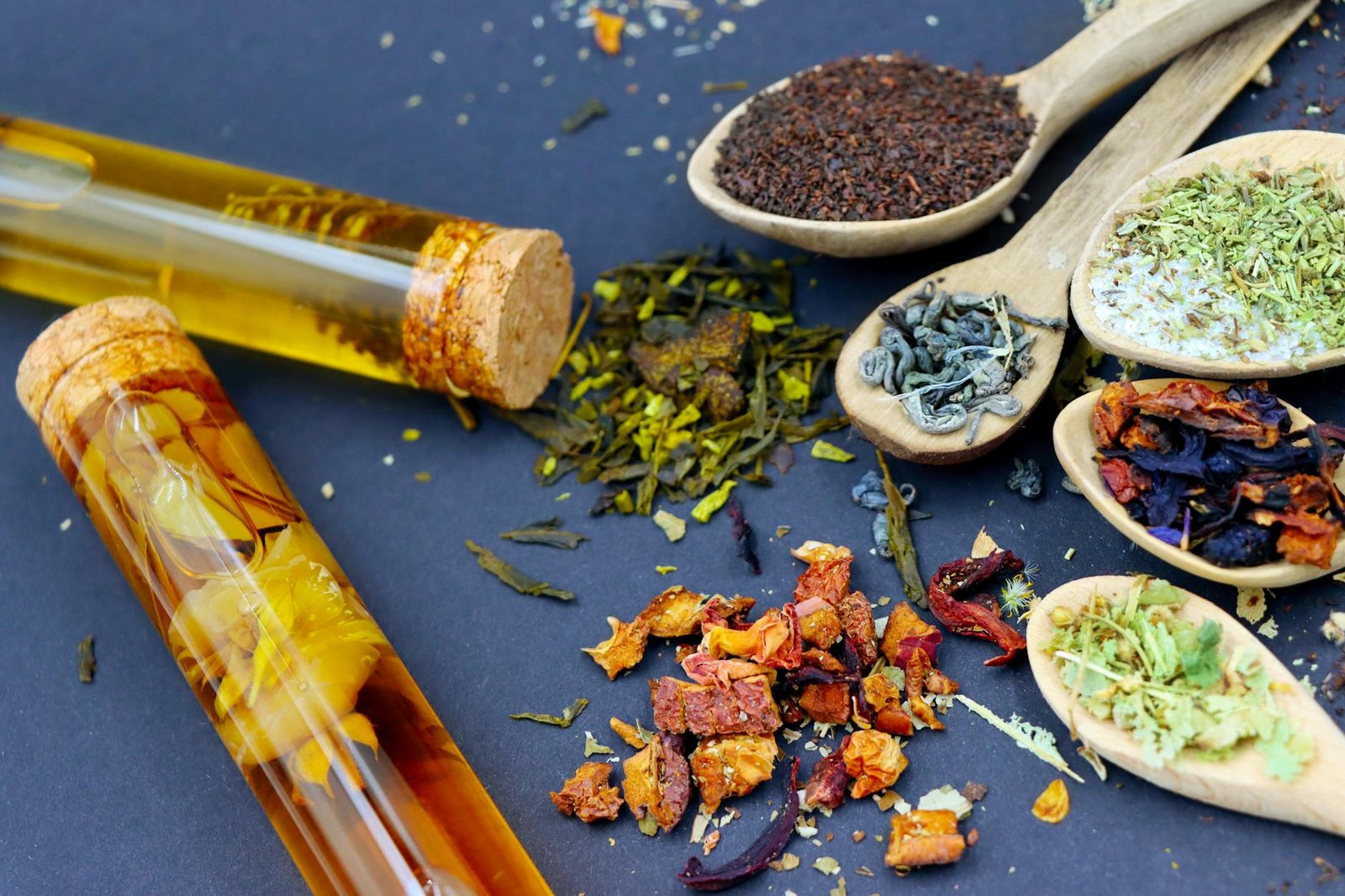
By Emma Clarke. A practical guide to choosing the right herbal preparation, with a clear decision framework, realistic cost examples, and safety guardrails for a US reader.
- Infusions are usually the best starting point for leaves and flowers, while decoctions are better for tougher materials such as roots, bark, and some berries because they need more heat and time to release their constituents. (ods.od.nih.gov)
- Tinctures and extracts are more concentrated and portable than a basic tea, but they also tend to cost more per serving, so they make the most sense when convenience, shelf life, or adherence is the real problem you are solving. (ods.od.nih.gov)
- The most useful buying shortcut in this guide is the PARTS Rule: Plant part, Aim, Risk, Time horizon, and Spend per serving.
- Natural does not automatically mean safe. NIH and NCCIH both caution that herbal products can vary by preparation, dose, and concentration, and they can interact with medications. (ods.od.nih.gov)
- If you buy bottled or boxed herbal products, read the Supplement Facts panel, serving size, ingredient list, and contact information, and remember that FDA does not approve dietary supplements for safety and effectiveness before sale. (fda.gov)
Most herbal mistakes are not about choosing the wrong plant. They come from choosing the wrong preparation. Someone buys a pricey tincture for an herb that would work fine as a simple infusion, or steeps a woody root like a tea bag and ends up with a weak cup that tastes expensive and disappointing. Once you understand what each preparation is meant to do, it gets easier to spend less, waste fewer herbs, and make safer choices. (ods.od.nih.gov)
Warning: Informational only, not medical advice. Herbal products can cause side effects, contamination problems, and drug interactions. If you are pregnant, breastfeeding, taking prescription medicines, managing a chronic condition, or considering herbs for symptom treatment, talk with a physician, pharmacist, or another qualified clinician before using them. (nccih.nih.gov)
Why preparation method matters to both results and cost
NIH’s Office of Dietary Supplements explains that botanicals are commonly prepared as teas, infusions, decoctions, tinctures, and extracts, and that these forms are not interchangeable. The same herb can be mild in a tea, more concentrated in a tincture, or stronger still in an extract. That means your method changes not just flavor and convenience, but also strength, dose, and sometimes risk. (ods.od.nih.gov)
Readers tend to overspend in this area, which often leads to making unwise financial choices. Different methods/products will help you achieve different results, so it is important to know what you want. If your priority is an evening cup, loose leaf (herbal) infusion could be less expensive than other methods. If your main concern is convenience of travel, then tincture might be worth the extra cost. Expensive options involve purchasing a concentrated form of a plant that you do not actually need and either replacing the weak-form of the plant part later or otherwise replacing it with a different type of extract – this will result in an overspend situation.
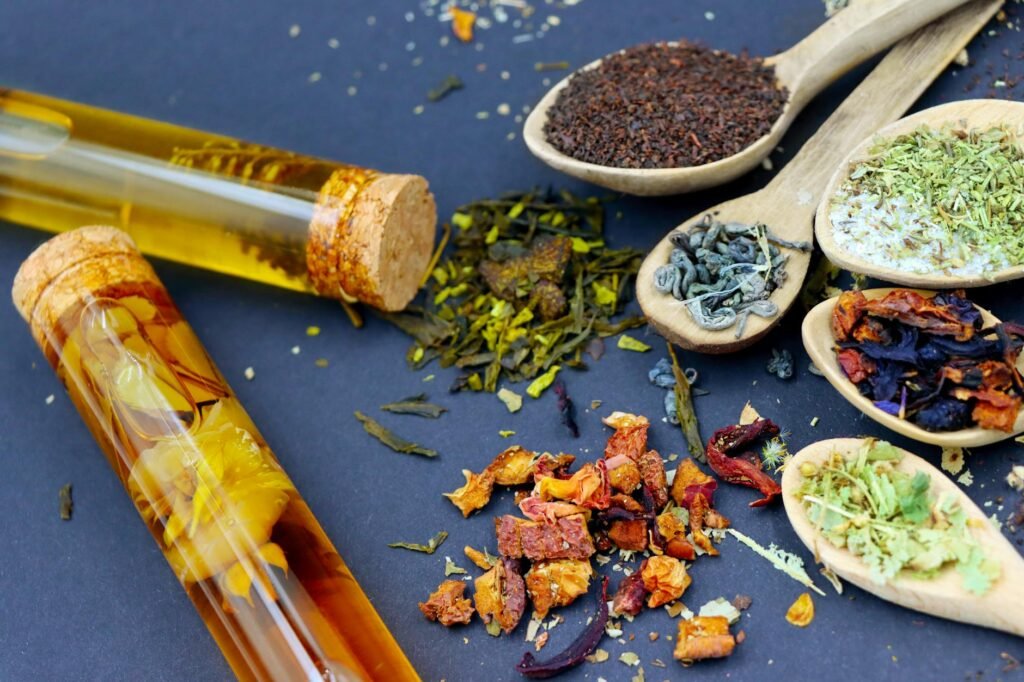
Use the PARTS Rule before you brew or buy
The PARTS Rule is actually a quick way to find the right herb to use, how to prepare it, and whether or not it’s within your budget (make sure to check the cost before you purchase!). It’s very easy to use both in the grocery store when you’re trying to decide between three different kinds of the same herb or online when you’re viewing three different websites describing the exact same plant.
- P – Plant part. Soft leaves and flowers usually point toward an infusion. Tougher roots, bark, and some berries usually point toward a decoction. Liquid extracts sit in a separate category because they are manufactured to concentrate constituents. (ods.od.nih.gov)
- A – Aim. Are you buying flavor, a daily ritual, portability, longer shelf life, or a more concentrated product? Be specific. A mug at home and a travel bottle solve different problems.
- R – Risk. Check for medication interactions, allergies, pregnancy concerns, and stimulant content before you decide a product is harmless just because it is plant-based. NCCIH specifically warns about herb-drug interactions and contamination concerns. (nccih.nih.gov)
- T – Time horizon. Use-today preparations like infusions are cheap and simple, but they are not built for long storage. OSU Extension advises refrigerating leftovers within 2 hours. (extension.oregonstate.edu)
- S have cost based on how much per serving you will receive from each product you purchase. Use the total cost divided by a reasonable number of servings rather than simply using the container size. If tinctures are 3 times more expensive than infusions but don’t really provide you with added convenience or help you stick with your routine there may be better products out there to buy!
A quick decision table
| Method | Best for | Typical effort | Shelf life | Cost pattern | When it usually makes sense |
|---|---|---|---|---|---|
| Infusion | Leaves, flowers, and softer plant parts steeped in hot water. (ods.od.nih.gov) | Low | Best the same day; refrigerate leftovers promptly. (extension.oregonstate.edu) | Lowest entry cost | Daily tea, flavor, gentle experimentation, and small-batch use |
| Decoction | Roots, bark, and some berries or seeds that need simmering. (ods.od.nih.gov) | Low to moderate | Best the same day or short-term refrigerated | Low ingredient cost, slightly more time cost | When a simple steep gives you a thin, weak result |
| Tincture | Alcohol-and-water liquid preparation sold in different strengths or extract ratios. (ods.od.nih.gov) | Very low at home use; higher if making | Longer shelf life than brewed tea | Higher upfront price per bottle | Travel, portability, or when you will not reliably brew tea |
| Dry extract or capsule | Manufactured extract or powdered form in measured servings. (ods.od.nih.gov) | Very low | Usually long shelf life if stored correctly | Price varies widely | When measured serving size matters more than ritual or taste |
| Fresh or dried whole herb for culinary use | Flavor, aroma, and light household use as food or beverage ingredients. (ods.od.nih.gov) | Low | Fresh is short-lived; dried stores longer | Often budget-friendly in bulk | When you want versatility across tea, cooking, and blends |
The main methods, explained without the fluff
Infusions: the default for leaves and flowers
An infusion is essentially a strong herbal tea. NIH ODS describes tea as adding boiling water to fresh or dried botanicals and steeping them, and notes that an infusion is a very strong tea. OSU Extension’s basic household tea guidance uses boiling water, a 10-minute steep, and either fresh or dried herbs. (ods.od.nih.gov)
Typically, this Leverage method is more forgiving than the others and is also more cost effective, but it will also allow you to determine if you like the herb before spending money for an extract. If you plan to use any leaf or flower based herbs like chamomile, lemon balm, mint, etc., try to use this method first to see how you feel about it before purchasing an expensive bottle of an herb that you may not use very often.
Decoctions: better for tougher materials
A decoction is not just a longer steep. ODS says some roots, bark, and berries need more forceful treatment, so they are brought to a boil and then simmered at lower heat for several minutes, which also reduces the liquid and makes the preparation more concentrated. (ods.od.nih.gov)
Using the wrong preparation method can cause someone to judge an herb inaccurately. Chopped ginger root prepared like peppermint leaves will make a drinkable but not very efficient cup. The good herb has been prepared in a way that was never the best use of it, which is an example of hidden waste through cost.
Tinctures and extracts: concentrated and convenient, but not automatically better
ODS describes a tincture as a botanical soaked in a solution of alcohol and water and sold in liquid form, often with a stated botanical-to-extract ratio. An extract is a broader category: the herb is soaked in a liquid such as water or alcohol to pull out desired constituents, and the result may stay liquid or be dried for capsules or tablets. (ods.od.nih.gov)
These types of products are beneficial in many ways; however, if you require something portable, dislike drinking hot beverages, travel often or desire a product that has a known serving size, then it is likely that paying the higher price would be reasonable. However, if you mainly use the herb as part of a calming bedtime ritual, you may find that a tincture does not solve your problem. While convenience is very valuable to have, paying considerably more for added concentration without a true benefit is just expensive!
A realistic household example with numbers
Consider a two-person household that buys three products every month: one box of 20 bedtime tea bags for $6, one box of 16 ginger tea bags for $5, and one 2-ounce herbal tincture for occasional use at $18. Total monthly spend: $29.
Now compare that with a method-first approach. They buy a 4-ounce bag of loose chamomile for $12, an 8-ounce bag of cut ginger root for $10, and a reusable strainer for $8 the first month. If the chamomile yields about 40 strong cups and the ginger yields about 30 decoctions, their first-month spend is $30, but only $22 in later months after the strainer is already paid for. More important, each purchase matches the plant part. They are not paying tincture prices for a use case that mostly happens at home.
The point is not that tinctures are bad, but rather format should match function. For example, if there’s one user who needs a portable bottle for business travel it is reasonable to have a tincture only for that use; therefore, the savings will be by not using the premium option as the standard default option.
A low-drama home process that works
- Identify the herb and the plant part first. Leaf, flower, root, bark, and berry should not all be treated the same way. (ods.od.nih.gov)
- Run the PARTS Rule. Decide what problem you are solving before you buy the format.
- For fresh herbs, wash your hands and rinse the herbs under running water before preparing. (extension.oregonstate.edu)
- Start with a small batch. One mug tells you more than a giant mason jar if you dislike the flavor or the herb does not agree with you.
- Label anything you refrigerate, and refrigerate leftovers within 2 hours. (extension.oregonstate.edu)
- If the product is bottled, compare serving size, servings per container, ingredient list, and cost per serving before you buy. FDA requires key labeling elements on dietary supplements, including a Supplement Facts panel on most products. (fda.gov)
- If you take medicines, especially drugs with a narrow therapeutic range, ask a pharmacist about interactions before routine use. (nccih.nih.gov)
Common mistakes that waste money or create avoidable risk
- Using the wrong method for the plant part. Leaves and flowers usually work best as infusions; tougher roots, bark, and some berries usually fit decoction better. (ods.od.nih.gov)
- Assuming a stronger product is automatically a better value. Sometimes it is simply a more expensive format.
- Believing that natural means safe. NIH and NCCIH both caution against that assumption. (ods.od.nih.gov)
- Trusting the word standardized as proof of quality. ODS notes there is no legal or regulatory definition of the term standardized in the United States. (ods.od.nih.gov)
- Assuming bottled herbal products are FDA approved. FDA says dietary supplements are not approved for safety and effectiveness before marketing. (fda.gov)
- Ignoring interaction risks. NCCIH flags herb-drug interactions, contamination, and direct toxicities as real concerns. (nccih.nih.gov)
- Buying huge quantities to save a few dollars and then storing them badly. University of Minnesota Extension advises airtight storage away from light and heat and notes that dried herbs stored properly usually last up to a year. (extension.umn.edu)
- Using plants you cannot confidently identify or do not know are safe to consume. OSU Extension explicitly advises using only tea ingredients you know are safe to consume. (extension.oregonstate.edu)
When the first plan is not enough
If your infusion tastes flat or weak, do not assume the herb is useless. Pressure-test the basics first: Did you use the right plant part for infusion instead of decoction? Is the herb old or poorly stored? Was the cut size too large? Were you trying to get root-level extraction from a quick steep? Often the fix is procedural, not a new purchase. (ods.od.nih.gov)
If the issue is convenience rather than performance, a tincture or measured extract may be a reasonable backup. If the issue is safety, a DIY fix is the wrong next step. People who are pregnant, breastfeeding, allergic to related plants, or taking medications such as warfarin, digoxin, or chemotherapy agents should approach herbal self-experimentation more cautiously and get professional guidance first. (nccih.nih.gov)
There is also a quality limit to home preparation. ODS notes that product quality can be hard to judge from the label alone, and that good manufacturing practices help with identity, purity, strength, and composition. Independent seals may indicate manufacturing and contaminant testing, but they do not guarantee safety or effectiveness. If you need consistency more than tradition, a reputable manufactured product may be the better fit. (ods.od.nih.gov)
How to verify what you are buying or brewing
- Check the exact herb, and if available, the botanical name and plant part. Similar common names can hide meaningful differences. ODS notes that botanicals are identified by species, even if consumer labels do not always use full Latin naming. (ods.od.nih.gov)
- Read the label carefully. FDA requires a statement of identity, quantity, ingredient information, and Supplement Facts on most dietary supplements. (fda.gov)
- Treat claims skeptically. FDA says dietary supplements are not FDA approved before sale, and structure-function claims are not the same as proof of treatment benefit. (fda.gov)
- Cross-check the herb on NCCIH’s Herbs at a Glance pages, especially for side effects and cautions. (nccih.nih.gov)
- Keep a simple audit note: product name, lot number, start date, and dose or brew method, along with any effect you notice. That makes a bad reaction easier to discuss with a clinician.
- If you think a supplement caused a serious reaction, stop using it and report it through FDA’s Safety Reporting Portal. (fda.gov)
Bottom line
The smartest herbal preparation is usually the simplest one that fits the plant part, the goal, and your real-life routine. Infusions are the practical default for leaves and flowers. Decoctions are often a better use of tougher materials. Tinctures and extracts earn their keep when portability, shelf life, or measured servings matter enough to justify the price. If you remember the PARTS Rule and verify labels before you buy, you can make better herbal decisions with less waste and fewer expensive detours. (ods.od.nih.gov)
FAQ
What is the difference between an infusion and a decoction?
An infusion is a steep made by pouring boiling water over herbs and letting them sit. A decoction is used for tougher plant material and involves boiling, then simmering, which creates a more concentrated preparation. NIH ODS draws that distinction clearly. (ods.od.nih.gov)
Is a tincture stronger than tea?
Often, yes, but stronger is not the same as better for every use. ODS notes that teas, tinctures, and extracts have different strengths, and the same amount of herb can end up in very different concentrations depending on the preparation. (ods.od.nih.gov)
Can I use fresh herbs instead of dried ones?
Usually yes for many household teas. OSU Extension gives a simple tea method using either fresh or dried herbs, but it also advises rinsing fresh herbs first and using only ingredients you know are safe to consume. (extension.oregonstate.edu)
How long can homemade herbal tea sit out?
Do not leave it sitting out all day. OSU Extension advises refrigerating leftovers within 2 hours. As a household rule, make what you plan to drink, chill leftovers promptly, and label the container. (extension.oregonstate.edu)
Are herbal supplements FDA approved?
No. FDA says dietary supplements are not approved for safety and effectiveness before they are marketed. Manufacturers are responsible for safety and labeling compliance, and FDA can take action after products reach the market. (fda.gov)
Do I need extra caution during pregnancy or while taking medication?
Yes. NCCIH warns about herb-drug interactions, and NIH’s pregnancy guidance says caution is warranted with botanical supplements during pregnancy because evidence on safety and efficacy is limited for many products. (nccih.nih.gov)
References
- NIH Office of Dietary Supplements: Botanical Dietary Supplements Background Information – https://ods.od.nih.gov/factsheets/BotanicalBackground-Consumer/
- NCCIH: Safe Use of Complementary Health Products and Practices – https://www.nccih.nih.gov/health/safety
- NCCIH: Herb-Drug Interactions – https://www.nccih.nih.gov/health/providers/digest/herb-drug-interactions?nav=tw
- FDA: Is It Really FDA Approved? – https://www.fda.gov/consumers/consumer-updates/it-really-fda-approved
- FDA: Questions and Answers on Dietary Supplements – https://www.fda.gov/food/information-consumers-using-dietary-supplements/questions-and-answers-dietary-supplements
- FDA: Dietary Supplements – https://www.fda.gov/food/dietary-supplements
- FDA: How to Report a Problem with Dietary Supplements – http://www.fda.gov/food/dietary-supplements/how-report-problem-dietary-supplements
- NCCIH: Herbs at a Glance – https://www.nccih.nih.gov/health/herbsataglance
- Oregon State University Extension: Garden Herbal Tea – https://extension.oregonstate.edu/imported-publication/garden-herbal-tea
- University of Minnesota Extension: Growing Herbs in Home Gardens – https://extension.umn.edu/vegetables/growing-herbs
- NIH Office of Dietary Supplements: Dietary Supplements and Life Stages: Pregnancy – https://ods.od.nih.gov/factsheets/Pregnancy-HealthProfessional/