

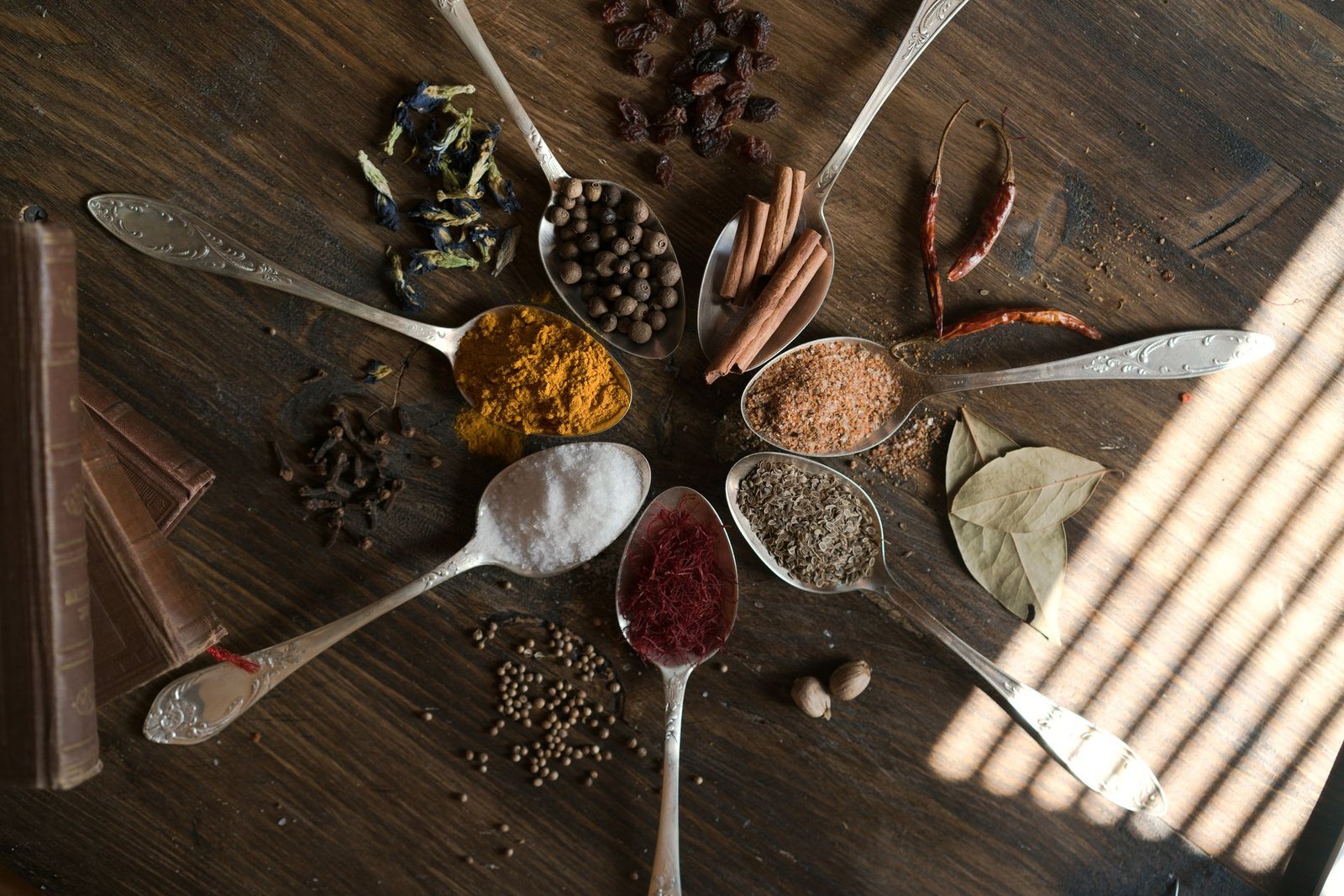
The hardest part when comparing two jars of chamomile or three bottles of tincture is most often not the herb but figuring out if the label is giving you some actual meaningful information or just a sales story.
For a careful shopper, that matters because these words often carry a real premium. In the U.S., organic is a regulated USDA labeling claim. Wildcrafted usually describes how a plant was gathered, but it does not come with the same single, government-backed label framework. Conventional is usually the default bucket for products that are not organic-certified or marketed as wild-harvested. (ams.usda.gov)
Table of Contents
TL;DR
- Organic is the clearest of the three labels: USDA sets the rules, and the difference between “organic” and “made with organic herbs” is material. (ams.usda.gov)
- Wildcrafted can be meaningful, but only when the seller also shows sourcing, sustainability, and contamination-control details. (ahpa.org)
- A conventional herb can still be the smartest buy if the company gives you strong labeling, manufacturing controls, and verifiable testing. (fda.gov)
- For capsules, tinctures, and blends, farming method is only part of the story. Manufacturing quality and independent verification matter too. (fda.gov)
- If a label sounds impressive but you cannot verify what stands behind it, treat the premium as unearned.
This article is for shopping guidance, not medical advice. Herbs and supplements can interact with medications, may not be appropriate during pregnancy or before surgery, and FDA does not review dietary supplements for safety and effectiveness before marketing the way it does drugs. If you use herbs for a health purpose, ask a pharmacist, physician, or another qualified clinician. (nccih.nih.gov)
Only one of these labels has a tight government definition
Organic is not just a vibe word. USDA says it is a labeling term for food or other agricultural products produced according to USDA organic standards, and only qualifying products can display the USDA organic seal. If a packaged product wants to make an organic claim, the final product usually needs certification and label review by a USDA-accredited certifier. (ams.usda.gov)
| Label | What it does tell you | What it does not tell you | How to think about the premium |
|---|---|---|---|
| Organic | A USDA-regulated production and labeling claim. Depending on the formula, the product may qualify as “100 percent organic,” “organic,” or “made with organic …,” and may or may not use the USDA seal. (ams.usda.gov) | By itself, it does not prove independent testing for potency, contaminants, or whether the product is the best value for you. (fda.gov) | Often worth a modest premium for herbs you buy often and use directly, especially if the rest of the label is transparent. |
| Wildcrafted | Usually means the plant was collected from the wild rather than cultivated. The strongest versions are backed by traceable sourcing, AHPA-style collection practices, or FairWild certification. (ahpa.org) | It is not a USDA organic category, and the word alone does not prove low contamination, legality, or ecological sustainability. That is an inference from the standards cited here, which are voluntary frameworks rather than a single USDA-style label system. (ams.usda.gov) | Worth more mainly when the seller shows where, how, and under what standard the herb was gathered. |
| Conventional | No special farming or harvest claim. For supplements, the basics still matter: Supplement Facts, manufacturer information, and compliance with FDA labeling and manufacturing rules. (fda.gov) | It does not promise organic growing methods, but it also should not be treated as automatically low quality. Quality depends on source transparency and controls. (fda.gov) | Often the best value for common, widely cultivated herbs when the brand also shows testing or trusted verification. |
How to read the organic claim on real herb products
This is where shoppers often overpay. A bottle that says “made with organic herbs” is not the same thing as a finished product labeled organic or one carrying the USDA seal. On multi-ingredient products, USDA draws the lines at 100 percent, 95 percent, 70 percent, and under 70 percent organic content. That distinction shows up all the time in tinctures, tea blends, capsules, syrups, and gummies. (ams.usda.gov)
- “100 percent organic” means the product contains only organic ingredients, excluding salt and water. The USDA seal may appear. (ams.usda.gov)
- “Organic” means at least 95 percent certified organic ingredients, excluding salt and water. The USDA seal may appear. (ams.usda.gov)
- “Made with organic …” means at least 70 percent organic ingredients. The product cannot use the USDA organic seal and cannot present the finished product as organic. (ams.usda.gov)
- Products with less than 70 percent organic content can identify specific organic ingredients in the ingredient list, but they cannot use the word organic on the front panel or display the USDA seal. (ams.usda.gov)
In practice, a loose bag of single-ingredient peppermint is easier to interpret than a capsule or flavored tincture. Solvents, capsule materials, sweeteners, and other added ingredients can change the finished product’s category even when the main herb itself was grown organically. If you are paying extra for organic, the simplest format you actually use is often where the label carries the most value. (ams.usda.gov)
What wildcrafted really tells you, and what it does not
Wildcrafted can be a legitimate sourcing description. AHPA’s guidance for wild collection focuses on correct plant identification, site quality, contamination risk, legality, and sustainability. FairWild goes further with a formal certification model built around ecological, socio-cultural, and business criteria for wild collection. (ahpa.org)
What the word does not do is finish the job for you. A good wildcrafted label should also help you answer basic buying questions: what species is this, what plant part was harvested, where was it gathered, how was the site chosen, and what proof exists that the material is free from obvious contamination or overharvest risk? If the bottle only says “wildcrafted” and stops there, the claim is incomplete. (ahpa.org)
For some native medicinals, the sourcing question is bigger than price. United Plant Savers maintains a species-at-risk list for medicinal plants facing pressure from wildcrafting and habitat destruction. If you see a wildcrafted product made from plants such as American ginseng or goldenseal, cultivated and traceable is often the safer ethical default unless the seller offers unusually strong proof of responsible sourcing. (unitedplantsavers.org)
Use the ROOT test before paying the premium
The ROOT is a practical shortcut in this category because you can measure 4 factors – Rule based, Origin disclosed, Oversight of quality and Total usable cost. Give a score of 0 to 2 for each factor to find a total score. You may want to spend your additional dollars on a product that scores (7 or 8), but if the score is (5 or 6) only purchase if the herb is important to you or the difference in price isn’t substantial. There is no substantiation for the product’s label if there is a score of (0 to 4).
| ROOT factor | 2 points | 1 point | 0 points |
|---|---|---|---|
| Rule-backed | USDA organic category is clear, or wild collection is backed by FairWild or another concrete sourcing standard. (ams.usda.gov) | The label hints at a standard but does not make it easy to verify. | The bottle leans on vague words like natural, pure, clean, or wildcrafted with no usable backup. (nccih.nih.gov) |
| Origin disclosed | The product names the species, plant part, and where or how it was sourced. (ahpa.org) | You get some sourcing detail, but not enough to judge it with confidence. | You cannot tell what was sourced, from where, or under what conditions. |
| Oversight of quality | For supplements, you see Supplement Facts, manufacturer details, lot information, and ideally a named third-party program such as NSF or USP, or accessible batch testing. (fda.gov) | The brand mentions testing or GMPs, but proof is thin. | There is no serious quality signal beyond marketing copy. (nccih.nih.gov) |
| Total usable cost | Price per cup, gram, or daily serving is competitive after you do the math. | The price is acceptable but not clearly better. | The package looks cheap, but the usable servings are unclear or inflated. |
- Check the front and the back together. For organic, look for the USDA seal or a precise organic category. For supplements, make sure the bottle is labeled as a dietary or herbal supplement and includes Supplement Facts and other ingredients. (ams.usda.gov)
- If the product says wildcrafted, look for proof of responsible collection: harvest region, species, plant part, sustainability language you can verify, or FairWild-style backing. (ahpa.org)
- Separate farming method from finished-product quality. USDA organic speaks to production standards. FDA manufacturing rules, plus NSF or USP verification where available, speak more directly to whether the finished product matches the label and was made under controlled conditions. (fda.gov)
- Do the math based on how you actually use the herb: cost per cup, cost per gram, or cost per day. Never compare only by bottle size or sale price.
- If two options are close, buy the label that reduces uncertainty, not the one that sounds more virtuous. That habit can save money over time.
Where conventional can be the smarter buy
For herbs that are commonly used and usually have a stable supply chain, conventional is generally a good decision. When peppermint, ginger, chamomile, or nettle are grown on a large scale, the added expense of the ambiguous wildcrafted claim usually adds mystique to the herb rather than improving the odds of purchasing it successfully.
A conventional product becomes especially attractive when the brand gives you batch testing or carries a real quality mark, because that addresses a different risk than farming method: whether the bottle contains what it says and was made under strong controls. (nsf.org)
When comparing the cost of organic certification to the cost of wildcrafted products with no clear evidence of being sourced from nature, you should purchase the organic product first. Additionally, you should purchase the product that has true quality assurance over one that is simply appealing visually. This is not an opinion regarding someone’s health; this is simply based upon your budget or what you can afford to spend.
A realistic shopping example
Suppose you buy nettle leaf for tea four nights a week. Option A is certified organic: 1 pound for $26, which yields roughly 151 cups at 3 grams per cup, or about 17 cents per cup. Option B is labeled wildcrafted: 8 ounces for $20, or about 76 cups, roughly 26 cents per cup, but the label gives no region, no collection standard, and no testing detail. Option C is conventional: 1 pound for $15, again about 151 cups, or roughly 10 cents per cup, and the seller posts lot-specific heavy-metal and microbial results.
Under the ROOT examination, A scored 7 points, B scored 3 points and C scored 6 points. A will be a viable purchase for you if you are able to afford the premium rate. Alternatively, if you are unable to afford the premium rate, you should consider purchasing C as the non-premium purchase option that makes sense. B is of low value since most of what you are paying for with it is just an alluring description.
The same logic matters even more with capsules. If you are choosing between a higher-priced organic capsule with no independent verification and a lower-priced conventional capsule with a real USP or NSF signal, the conventional bottle may be the smarter financial decision. FDA’s cGMP rules require quality systems, and NSF and USP add named, independent testing or auditing layers beyond ordinary marketing language. (fda.gov)
Common mistakes that cost shoppers money
- Treating “made with organic herbs” as if it means the finished product is fully organic. It does not. The 70 percent category is a different standard and cannot use the USDA organic seal. (ams.usda.gov)
- Assuming wildcrafted automatically means cleaner, safer, or better. Responsible wild collection requires site selection, contamination awareness, and sustainability controls; the word alone does not guarantee any of that. (ahpa.org)
- Assuming organic means independently tested. USDA organic tells you about production standards, not necessarily finished-product potency or contaminant verification. (ams.usda.gov)
- Believing a bottle that says “verified,” “certified,” or “standardized” without naming who did the verification. NCCIH notes that a manufacturer’s use of those terms does not necessarily guarantee quality or consistency. (nccih.nih.gov)
- Comparing only bottle price instead of cost per cup, gram, or daily serving.
- Ignoring conservation risk for species that are under pressure in the wild. For some herbs, cultivated and traceable may be the more responsible purchase than wildcrafted. (unitedplantsavers.org)
When the label still is not enough
In some instances, there are no good options available. Take this opportunity to simplify, not rationalize. Select single-ingredient herbs instead of multi-ingredient blends. Choose cultivated organic or transparent conventional to avoid any unknowns with wildcrafted. Purchase smaller packages to keep from spending money on a disappointing product that you can’t get back from having purchased it already.
If you are shopping online, ask for the harvest region, batch or lot information, and recent testing documentation. If the seller cannot answer ordinary sourcing questions, move on. For at-risk species, cultivated and traceable is the better backup plan. (ahpa.org)
How to verify a label in under five minutes
- Check whether the organic claim is precise. Look for the USDA seal, the certifier, or a clear category such as “organic” versus “made with organic …”. (ams.usda.gov)
- For supplements, confirm the basics: Supplement Facts, other ingredients, manufacturer or distributor information, and net quantity. (fda.gov)
- Search the NIH Dietary Supplement Label Database if the product is a supplement. The database catalogs information printed on labels of dietary supplements sold in the United States. (ods.od.nih.gov)
- If the bottle shows NSF or USP, verify the claim in the certifier’s own search tools or product listings rather than trusting the graphic alone. (nsf.org)
- If a brand or ingredient gives you pause, check FDA’s dietary supplements pages for updates, actions, warning letters, or recalls. (fda.gov)
Bottom line
If you want the shortest possible rule, use this one: pay extra only when the premium buys a real standard or a real control. USDA organic is a real standard. FairWild-backed wild collection is a real control. Named third-party verification such as NSF or USP is a real quality signal. A vague label with no backup is usually just a more expensive story. (ams.usda.gov)
Frequently Asked Questions
Is wildcrafted better than organic?
Not automatically. Organic is a USDA-defined production and labeling standard. Wildcrafted usually means wild-harvested, but it needs added sourcing and sustainability proof to be equally useful to a shopper. (ams.usda.gov)
Does “made with organic herbs” mean the whole tincture or tea is organic?
No. In USDA labeling, “made with organic …” means at least 70 percent organic ingredients and it cannot use the USDA organic seal or present the finished product as organic. (ams.usda.gov)
Can a conventional herb be a better buy than an organic one?
Yes. If the conventional product has clearer sourcing, better manufacturing controls, or real third-party verification, it may be the smarter purchase, especially for capsules and blends. (fda.gov)
What should I do if a bottle says “tested” or “verified” but names no lab or program?
Treat that as weak evidence. NCCIH notes that a manufacturer’s use of terms like “verified” or “certified” does not necessarily guarantee quality or consistency. Look for a named program such as NSF or USP, or for accessible batch testing. (nccih.nih.gov)
When is it worth paying more for wildcrafted herbs?
Usually when the seller gives you traceable collection details, contamination safeguards, and a sustainability standard such as FairWild, and when the species is not one you should avoid buying from the wild. (ahpa.org)
Are organic herbs always worth the price premium?
No. They can be worth it when you use the herb often, the premium is reasonable, and the rest of the label is solid. But organic does not replace the need to check cost per serving, quality controls, and whether the finished product is actually the one you want. (ams.usda.gov)
References
- USDA AMS – Labeling Organic Products – https://www.ams.usda.gov/rules-regulations/organic/labeling
- USDA AMS – USDA Certified Organic: Understanding the Basics – https://www.ams.usda.gov/services/organic-certification/organic-basics
- FDA – Questions and Answers on Dietary Supplements – https://www.fda.gov/food/information-consumers-using-dietary-supplements/questions-and-answers-dietary-supplements
- FDA – Small Entity Compliance Guide for Dietary Supplement CGMP – https://www.fda.gov/Food/GuidanceRegulation/GuidanceDocumentsRegulatoryInformation/DietarySupplements/ucm238182.htm
- NCCIH – Using Dietary Supplements Wisely – https://www.nccih.nih.gov/health/using-dietary-supplements-wisely
- NIH ODS – Dietary Supplement Label Database – https://ods.od.nih.gov/Research/Dietary_Supplement_Label_Database/
- AHPA – Good Agricultural and Collection Practices – https://www.ahpa.org/good_agricultural_and_collection_practices
- FairWild Foundation – FairWild Certification – https://www.fairwild.org/fairwild-certification
- FairWild Foundation – FairWild Standard Overview – https://www.fairwild.org/fairwild-standard-overview
- NSF – Dietary Supplement and Vitamin Certification – https://www.nsf.org/consumer-resources/articles/supplement-vitamin-certification
- USP – Dietary Supplement Verification Program – https://www.usp.org/node/10776
- United Plant Savers – Species At Risk List – https://unitedplantsavers.org/species-at-risk-list/