

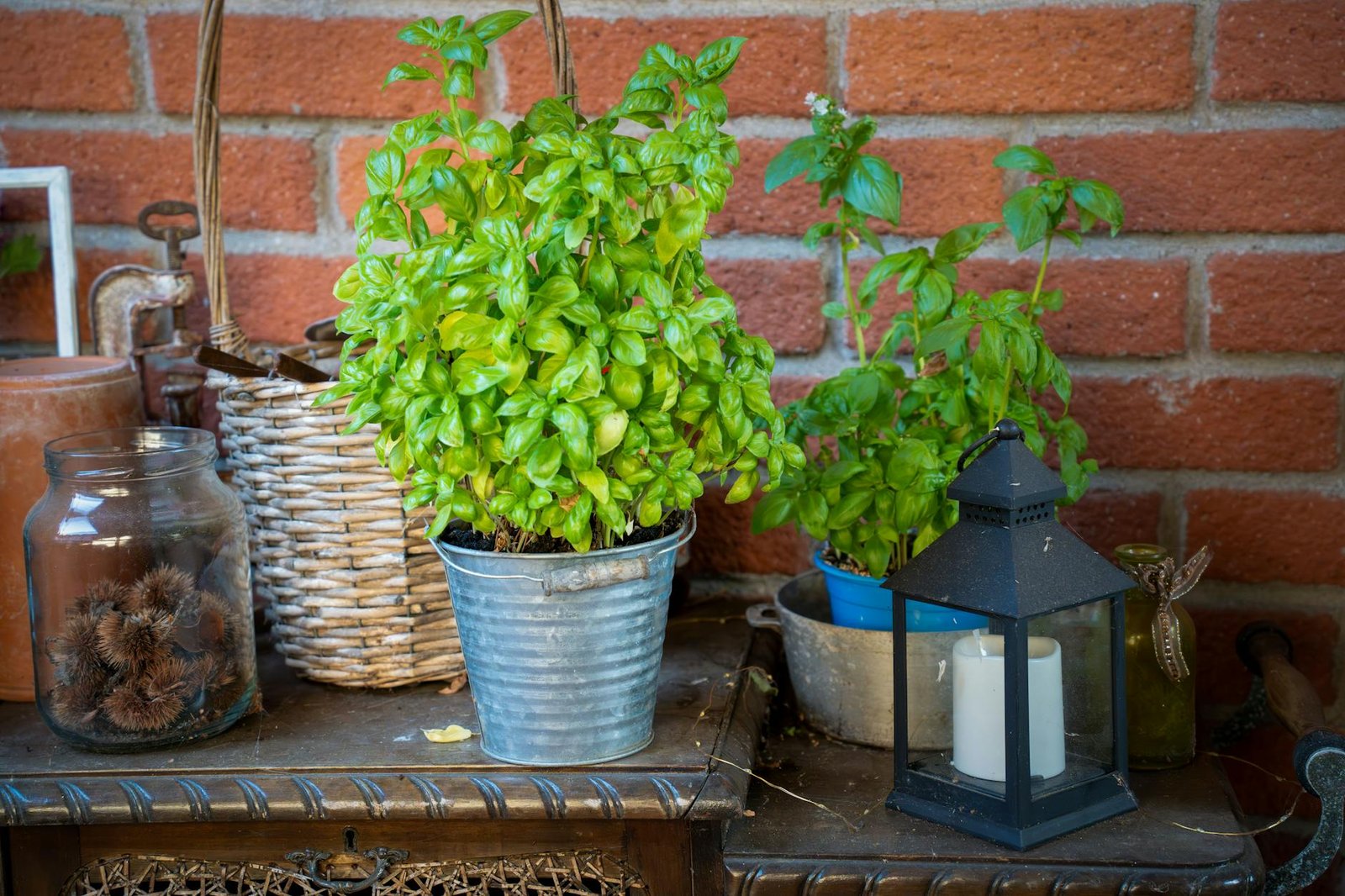
An herb garden isn’t just an assortment of random pots; It’s a seasonal plan for reducing grocery waste, enhancing taste, deciding on when to plant crops for harvesting in abundance, what remaining crops are suitable for drying or freezing.
Fresh herbs are one of the most frustrating grocery buys: you pay for a small pack, use a handful, and the rest often declines before the next meal. A seasonal herb plan can fix that, but only if you grow the right herbs at the right time and preserve the surplus before quality drops. Most culinary herbs do best with well-drained soil, drainage holes in containers, and at least six hours of direct sun; rich, wet soil and heavy feeding can actually weaken flavor. (extension.umn.edu)
TL;DR
- Build spring and fall around cool-season herbs: cilantro, parsley, dill, and chives usually deliver the best value before heat pushes bolting or bitterness. (extension.usu.edu)
- Use summer for warm-season workhorses such as basil, oregano, rosemary, sage, and mint, then preserve the excess before flowering or frost reduces quality. (extension.umn.edu)
- Dry sturdy herbs and freeze soft leafy herbs. Dried herbs are usually three to four times stronger than fresh, and tender herbs can mold if they dry too slowly. (nchfp.uga.edu)
- Treat winter herbs as a convenience crop, not a bulk crop. Indoor herbs need strong light, good drainage, and often 12 to 14 hours of supplemental light when windows are weak. (extension.umn.edu)
- Do not store fresh herbs in oil at room temperature. That is a food-safety issue, not a thrifty preservation hack. (extension.psu.edu)
Use the CROP scorecard before you buy seeds
The cost of planting herbs can add up quickly if you plan to grow herbs that look good instead of herbs that you use when cooking. Use the CROP scorecard to determine which herbs you should give space to; include Cost at the store, Repeatability in your kitchen, A fit for your light and zone whether outdoors, indoors, or both as well as Preservation Value. Test each category from 0-2 points for each herb; if the total score for all categories is between 7-8 points, plant a lot of each herb; if the total score is between 4-6 points, plant one pot or short row of each herb; if any total score is less than 3 points; buy the herb as you need it.
| Herb | C | R | O | P | What that means |
|---|---|---|---|---|---|
| Basil | 2 | 2 | 2 | 2 | Plant a full pot or short row and plan to freeze extras. |
| Cilantro | 1 | 2 | 1 | 1 | Grow in short spring and fall runs, not as one big summer crop. |
| Rosemary | 2 | 1 | 1 | 2 | Worth one container if you cook with it regularly. |
| Dill | 1 | 1 | 2 | 2 | Good choice if you use both leaves and seeds. |
| Chervil | 1 | 0 | 0 | 0 | Usually better to buy only when a recipe specifically needs it. |
For many households, basil earns prime space because it gets used often, regrows after cutting, and freezes well. Cilantro is useful too, but it is usually a rotation herb rather than a permanent one because hot weather makes it bolt quickly. (extension.psu.edu)
What to grow, harvest, and preserve through the year
Your herb calendar should follow plant behavior, not the grocery shelf. Hardiness labels are only a starting point: USDA zones are based on average annual extreme minimum temperatures, and the USDA notes that small microclimates may not show up on the map. That matters if you are trying to winter over rosemary, bay, or other marginal perennial herbs. (planthardiness.ars.usda.gov)
Spring: build the cheap, steady core
Spring is the highest-value season for cool-season herbs. Direct-sow dill where it will stay, since it does not transplant well. Parsley and chives fit well into spring planting, and cilantro does best before heat pushes it into flowers and seed. If you want cilantro leaves over a longer stretch, sow small batches every two to four weeks instead of planting one large patch all at once. (extension.umn.edu)
- Plant: cilantro, parsley, dill, chives, divided thyme, and mint in a container. Mint spreads aggressively, so contain it from the start. (extension.umn.edu)
- Harvest: snip chives from the base, take parsley from the outside stalks, and cut dill leaves before flower heads fully open. (extension.umn.edu)
- Preserve: freeze extra chives and dill, and dry only what you can finish quickly and completely. (extension.psu.edu)
Summer: harvest hard, then preserve before flavor slips
Summer is when warm-season herbs earn their space. Basil wants six to eight hours of bright light and responds well to cutting just above a pair of leaves, which encourages new side growth. Oregano is usually best harvested in summer or early fall before plants are in full flower, and rosemary is often smartest as a container herb outside the warmest areas because many varieties are only reliably perennial in about zones 8 to 10. (extension.umn.edu)
- Keep going with: basil, oregano, rosemary, sage, lemon balm, and container mint. (extension.psu.edu)
- Harvest: basil weekly once plants are established; cut oregano and sage before heavy flowering if your goal is kitchen quality rather than ornamental bloom. (extension.umn.edu)
- Preserve: freeze basil flat or in cubes, dry oregano, sage, and thyme, and let some dill seed heads mature if you cook with dill seed or pickle. (extension.psu.edu)
Fall: reset instead of giving up
Fall is when many herb gardens quietly become useful again. Cool nights often improve leaf quality for parsley, chives, and cilantro. In warmer parts of the country, cilantro can be sown in fall for spring harvest. In colder areas, fall is the time to pot up tender herbs and move them indoors before hard freezes arrive. (extension.usu.edu)
- Re-sow small patches of cilantro where frost timing gives you room for another crop. (extension.usu.edu)
- Divide and reset crowded perennials such as chives or thyme so next spring starts stronger. (extension.umn.edu)
- Do one big preservation run before frost: dry oregano, thyme, sage, and rosemary; freeze parsley, basil, chives, and cilantro for cooked dishes. (nchfp.uga.edu)
Winter: grow for convenience, not volume
Winter herbs are mostly an access problem, not a gardening problem. Indoors, the real limiter is light. Extension guidance for indoor herbs emphasizes bright exposure, drainage holes, and supplemental light when windows are weak; 12 hours is enough for many indoor herbs, and hydroponic lettuce and herbs often do well around 12 to 14 hours a day. Chives, basil, and cilantro are common indoor recommendations. (extension.umn.edu)
- Best winter keepers: chives, parsley, basil, cilantro, and small pots of thyme or oregano near strong light. (extension.psu.edu)
- Expect: slower growth and smaller leaves in midwinter, so harvest lightly and fertilize sparingly. (extension.umn.edu)
- Practical approach: if your goal is flavor on demand, rely on frozen and dried herbs first and treat indoor pots as a bonus. (extension.psu.edu)
Choose the right preserve method, not the trendy one
Preservation is where herb gardening becomes a money saver instead of a feel-good hobby. Drying is the simplest option, but it is not the best answer for every herb. Tender herbs such as basil, oregano, tarragon, lemon balm, and mint carry more moisture and can mold if they dry too slowly. A dehydrator gives the most control, and home-preservation guidance generally calls for about 95°F to 115°F, going somewhat higher only when humidity is unusually high. (nchfp.uga.edu)
| Method | Best for | Why it works | Main trade-off | Best household use |
|---|---|---|---|---|
| Drying | Oregano, thyme, sage, rosemary, dill seed | Cheap, compact, pantry-stable | Less fresh character; quality fades with heat and light | Herbs you use weekly in cooked food |
| Freeze flat | Basil, parsley, cilantro, chives | Good flavor retention and easy portioning | Texture softens after thawing | Soups, sauces, eggs, grains |
| Freeze in cubes | Basil, parsley, chives | Measured portions ready for the skillet | Not attractive as garnish | Batch cooking and quick dinners |
| Save seed | Dill and coriander | Long storage life and possible replanting | Only worth it if you use seed in the kitchen | Pickling, spice blends, next season |
A practical kitchen rule is simple: dry sturdy herbs and freeze soft leafy herbs. Dried herbs are usually three to four times stronger than fresh, so you need less in recipes. Store dried herbs in airtight containers away from heat, moisture, and light, and expect the best quality for about a year. (nchfp.uga.edu)
Fresh herbs in oil are not a room-temperature pantry project. Herbs and garlic in oil can support botulism if handled improperly. If you make herb oil at home, use a research-tested acidification method or keep the mixture refrigerated or frozen as directed; do not simply pack fresh herbs into oil and leave it on the counter. (extension.psu.edu)
A realistic herb budget example
Assume a household buys one 0.5-ounce basil clamshell at $1.78 and one cilantro bunch at $0.93 each week. Over 12 summer weeks, that is about $32.52. Starting from seed is much cheaper on paper: a Burpee Organic Genovese basil packet is listed at $2.46, a Burpee cilantro packet at $1.96, and an 8-quart bag of potting mix at Walmart is $5.37, for a startup total of about $9.79. That leaves a gap of roughly $22.73 before water, fertilizer, or any containers you still need. (walmart.com)
This does not mean that every herb garden is going to be beneficial financially. The best way to calculate savings over time is to have the same herbs purchased frequently enough to be able to harvest on multiple occasions and have enough to freeze. For example, if you only plan to cook with rosemary twice during the year or need dill just for a single potato salad, it may make the most sense to just buy what you need at the time of using it.
Common mistakes that wipe out the payoff
- Growing heat-sensitive cilantro as if it were a dependable July crop everywhere. It bolts fast in heat, so it usually performs better as a spring or fall herb. (extension.psu.edu)
- Using rich, soggy soil and frequent fertilizer. Many herbs develop weaker flavor in very rich soil, and containers without drainage invite trouble. (extension.umn.edu)
- Air-drying basil or mint in a humid kitchen and expecting pantry quality. Tender herbs need faster drying or freezing. (nchfp.uga.edu)
- Waiting for flowers before you take most of the harvest. Several guides recommend harvesting many culinary herbs before full bloom for better flavor. (extension.psu.edu)
- Planting mint directly in open ground without containment. It spreads. (extension.umn.edu)
- Keeping dried herbs so long that the aroma is gone. Once the fragrance is mostly gone, the savings argument is gone too. (extension.psu.edu)
If your first plan is not enough
The backup plan depends on what failed. Too much shade? Move your highest-value herbs to containers and chase the sun. Hot summers ruining cilantro? Use succession sowing in spring and fall, then freeze a few batches instead of fighting August. Cold winters killing rosemary? Treat it as a patio plant that comes indoors. Small apartment? Prioritize one productive pot of basil or chives plus a freezer strategy rather than trying to keep six weak windowsill pots alive. (extension.psu.edu)
- One sunny container: basil or chives.
- One cool-season slot: cilantro or parsley.
- One preservation habit: either freeze flat bags or dry one sturdy herb well.
- One rule for next year: if a plant was not harvested or preserved at least twice, it does not get prime space again.
Keep expectations flexible. Even the USDA notes that very small site differences may not show up on a hardiness map, so a protected wall, windy balcony, or exposed raised bed can change winter survival quite a bit. Test one or two herbs per season, not ten. (planthardiness.ars.usda.gov)
How to pressure-test your herb plan
- Pull four weeks of grocery receipts and circle every herb purchase.
- Run the CROP scorecard on those herbs before you buy seed or starts.
- Track what you preserve: for example, one jar of dried oregano, six basil freezer portions, or two bags of chopped parsley.
- Label preserved herbs with the month and year, and replace anything that has lost most of its aroma or passed its best-quality window. (extension.psu.edu)
- At season’s end, compare what you spent on seed, mix, and containers with what you did not buy at the store.
- Cut the losers next year. Herb gardening gets cheaper when it gets smaller and more repetitive, not more ambitious.
If an herb never made it into at least two meals or one preservation batch, it was probably a gardening project, not a grocery replacement.
Bottom line
The cheapest herb garden is not the biggest one. It is the one that matches season to plant: cool-season cilantro, parsley, dill, and chives in spring and fall; basil and other heat lovers in summer; frozen and dried reserves for winter. Use the CROP scorecard, preserve on time, and let your grocery receipts decide what stays in next year’s plan. (extension.usu.edu)
FAQ
Which herbs give beginners the best return?
For most households, basil, chives, parsley, and dill or cilantro are a strong starting group because they are widely used, fairly easy to harvest repeatedly, and have workable preservation options. Basil is a warm-season anchor; cilantro is usually better treated as a cool-season crop. (extension.umn.edu)
Is it cheaper to start herbs from seed or buy transplants?
Usually, seed is cheaper for high-use annuals such as basil and cilantro. A transplant can still make sense for slower or more finicky perennials, especially rosemary, if you only want one plant and do not want to baby seedlings. (extension.umn.edu)
Should I dry basil or freeze it?
Freeze it if you care most about flavor. Drying works, but basil is a tender herb with higher moisture, and freezing usually keeps a more fresh-like result for cooked dishes. (nchfp.uga.edu)
Can rosemary stay outdoors all winter?
That depends on your zone and site. Penn State describes rosemary as a tender perennial shrub for USDA zones 8 to 10, and the USDA notes that hardiness maps are based on averages and do not capture every microclimate. Many gardeners outside mild areas have better luck overwintering rosemary in a pot indoors. (extension.psu.edu)
Are herb-infused oils safe on the counter?
Not unless you are following a research-tested method that acidifies the herbs first. Fresh herbs or garlic in oil can create botulism risk at room temperature, so ordinary homemade infused oils should be refrigerated or frozen as directed, not stored on the shelf. (extension.psu.edu)
References
- University of Minnesota Extension: Growing herbs in home gardens – https://extension.umn.edu/vegetables/growing-herbs
- University of Minnesota Extension: Growing basil in home gardens – https://extension.umn.edu/vegetables/growing-basil
- University of Minnesota Extension: Growing chives in home gardens – https://extension.umn.edu/vegetables/growing-chives
- University of Minnesota Extension: Growing dill in home gardens – https://extension.umn.edu/vegetables/growing-dill
- University of Minnesota Extension: Growing parsley in home gardens – https://extension.umn.edu/vegetables/growing-parsley
- Utah State University Extension: Cilantro/Coriander in the Garden – https://extension.usu.edu/yardandgarden/research/cilantro-coriander-in-the-garden
- Penn State Extension: Cilantro, a Unique Culinary Herb – https://extension.psu.edu/cilantro-a-unique-culinary-herb
- Penn State Extension: Growing Herbs Indoors – https://extension.psu.edu/growing-herbs-indoors/
- National Center for Home Food Preservation: Herbs – https://nchfp.uga.edu/how/dry/recipes/herbs/
- Penn State Extension: Freezing Herbs – https://extension.psu.edu/freezing-herbs/
- Penn State Extension: How to Safely Make Infused Oils – https://extension.psu.edu/how-to-safely-make-infused-oils/
- USDA Plant Hardiness Zone Map: How to Use the Maps – https://planthardiness.ars.usda.gov/pages/how-to-use-the-maps