

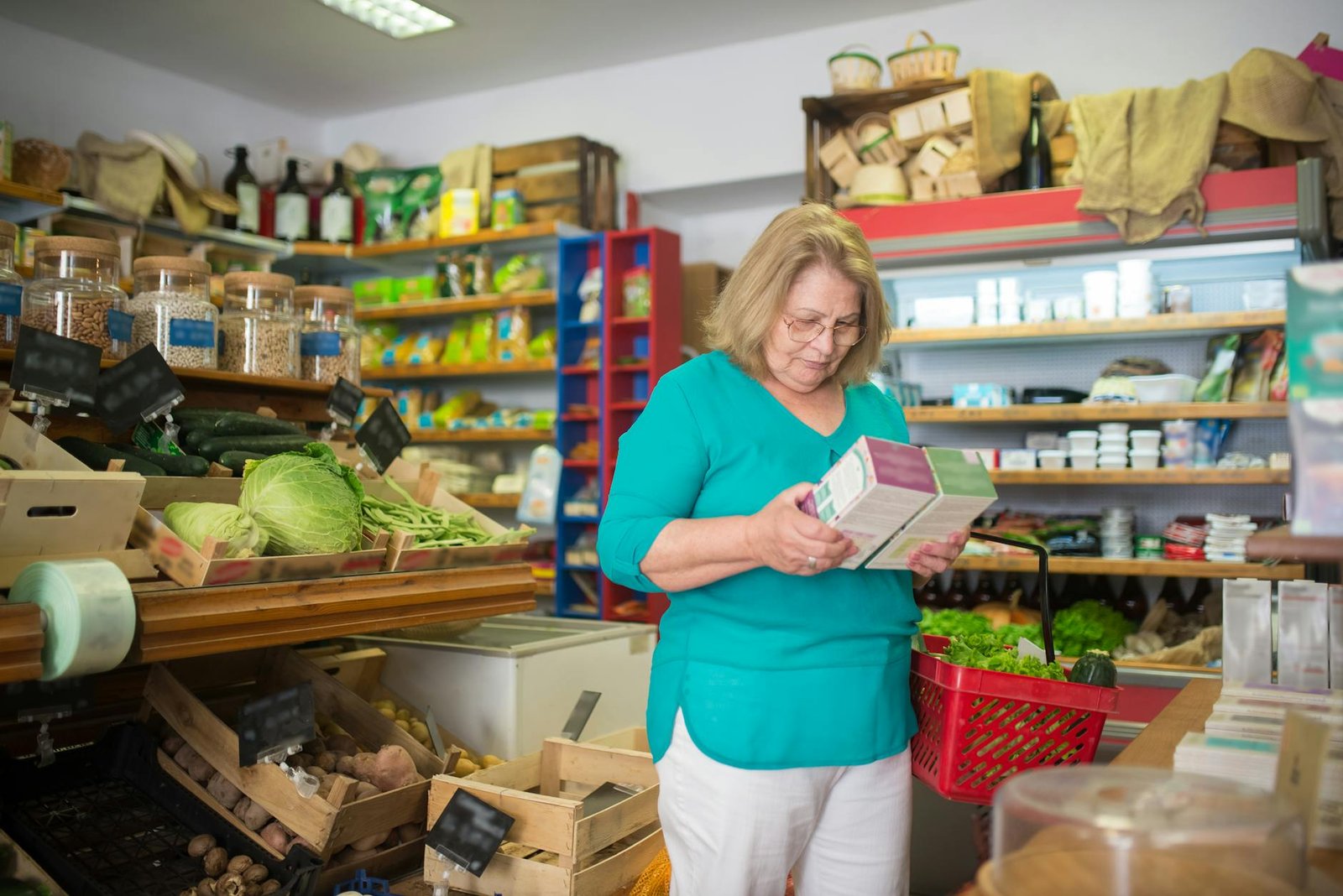
Herbal tea looks like a small purchase, which is exactly why people can overspend on it. A box that promises sleep, digestion, immunity, stress relief, weight loss, or a “detox” can feel lower-risk than a supplement bottle or a clinic visit. But this category blends three very different things: pleasant beverages, herbs with limited evidence for narrow uses, and aggressive marketing that makes supplement-style promises without drug-level proof. Under U.S. rules, dietary supplements can make certain support claims, but they are not FDA-approved to diagnose, treat, cure, or prevent disease. If you shop as though every tea is a low-cost medicine, you may end up paying premium prices for benefits the product cannot honestly promise. (fda.gov)
TL;DR
- Some herbal teas may support a narrow goal. Ginger may help with some nausea, and hibiscus may have small blood-pressure benefits in people with hypertension, but effects are limited and the evidence is not equally strong across herbs. (nccih.nih.gov)
- Popular claims for sleep, detox, fat loss, immunity, and “balance” are often much broader than the evidence. Chamomile evidence for insomnia is not conclusive, and peppermint leaf itself does not have enough evidence for most advertised uses. (nccih.nih.gov)
- A tea sold with supplement-style claims is not the same thing as an FDA-approved treatment. Supplement labels can say “supports,” but they are not allowed to promise diagnosis, treatment, cure, or prevention of disease. (fda.gov)
- The biggest money mistake is paying medical-claim prices for a pantry product. If your real goal is comfort, flavor, or a bedtime ritual, a simple, low-cost tea is often the better buy.
- Safety still matters. Herbal products can interact with medicines, and some herbs have special risks in pregnancy or for people with high blood pressure, kidney disease, heart disease, or other medical conditions. (nccih.nih.gov)
This article is informational, not medical advice. If you are pregnant, breastfeeding, take prescription medicine, or want to use herbal tea for an ongoing health issue, check with a qualified clinician or pharmacist first.
Why this aisle is so easy to overspend in
The issue of language is the first concern. The words calm, cleanse, balance, metabolism, immunity and wellness seem to be helpful, however, they do not really define something that can be purchased. Instead a better question would be to ask what one single symptom or habit do you want to address? “I need a caffeine free beverage before I go to sleep”, is a direct request. “I want this tea to cure my lack of sleep”, would not qualify as a request. The difference sounds small but it will determine what you will require as proof or how much money you will spend on something.
The second problem is that evidence is herb-specific and use-specific. Ginger has some support for certain kinds of nausea, especially pregnancy-related nausea, while chamomile has not produced enough reliable evidence to rate its clinical usefulness for many promoted conditions, including insomnia. Peppermint oil has some evidence in IBS, but NCCIH says there is not enough evidence to determine whether peppermint leaf is useful for any health condition. Research on hibiscus, or roselle, suggests only small blood-pressure effects in people with hypertension. And results from capsules, extracts, or enteric-coated oils do not automatically transfer to a tea bag steeped in hot water. (nccih.nih.gov)
This matters most with “detox” tea. NCCIH says detox and cleanse programs vary widely, and the FDA and FTC have taken action against some sellers because of hidden ingredients, false disease claims, or other risks. At the same time, NIDDK notes that healthy kidneys already remove wastes and extra fluid from the body. A tea may feel soothing or make you feel lighter for a day, but that is not the same thing as medically removing toxins. (nccih.nih.gov)
Use the BREW Test before you buy
A simple test that will help you preserve both your grocery budget and your expectations within this product category is the BREW Test. Assign a numerical score from 0 to 2 for each letter within this product’s name, and any product that cannot achieve at least 5 out of 8 should usually remain on the shelf.
- Category B – Match the benefit you are trying to achieve – What would be an example of one specific reason you purchased (only one) that can help with that? Example: Buying an item for vague (0), buying an item for somewhat vague reasons (1), or buying for specific reasons such as “I sometimes get nausea” or “I like to drink something non-caffeine-filled at night.”
- R-Research fit. Is there actual human evidence that supports the use of this herb in this way? Assign a score of 0 if it is primarily a marketing claim, 1 if the evidence is inconclusive or based on a different product form, and 2 if the evidence reasonably supports the use of the herb for the desired purpose.
- E – Exposure risk: Is this herb making you question your safety? Score 0 if you take other medicines that could interact with this herb, are pregnant, have high blood pressure or if this product could be an unknown herb “blend”. Score 1 if you are uncertain. Score 2 if the herb is low-risk in your case based on normal use as a tea, and you have consulted the precautions before use.
- W – Wallet efficiency: How much will it cost you per cup, including the cost for shipping? A 0 would be marked if it is costly or requires a subscription or a “system” purchase. A 1 would be assigned if it is within reasonable limits. A score of 2 indicates the price is so inexpensive you can afford to give it a short try without affecting your budget.
How the score works: 0 to 3 means skip it. A 4 or 5 means it may be worth trying only as a beverage, not as treatment. A 6 to 8 can be a reasonable low-cost experiment if the safety box is genuinely checked. This is where many premium “detox” or “metabolism” teas fall apart. The FTC has challenged detox tea marketing that claimed weight loss and even disease-related benefits without reliable evidence, and NCCIH says detox claims as a category are weak enough that consumers should be cautious. (consumer.ftc.gov)
What a realistic herbal tea claim looks like
| Tea | What it may support | What it cannot honestly promise | Watch-outs |
|---|---|---|---|
| Ginger tea | May support occasional nausea. The strongest evidence is for ginger products studied for nausea, including pregnancy-related nausea, and not all research used tea. (nccih.nih.gov) | It cannot replace medical advice for persistent vomiting, dehydration, or a diagnosed condition. (ods.od.nih.gov) | Tea form may not match the dose used in studies. (nccih.nih.gov) |
| Chamomile tea | May support a calming bedtime ritual, but clinical evidence for insomnia and many other promoted uses is not conclusive. (nccih.nih.gov) | It cannot honestly promise to treat insomnia, anxiety disorders, or other medical conditions. (ods.od.nih.gov) | Safety in pregnancy and breastfeeding is not well established, and interactions have been reported with some medicines. (nccih.nih.gov) |
| Peppermint tea | Some people find it soothing after meals, but the stronger evidence is for enteric-coated peppermint oil in IBS, not peppermint leaf tea. (nccih.nih.gov) | It cannot honestly promise to fix IBS, indigestion, or nausea just because peppermint oil has been studied. (nccih.nih.gov) | Peppermint oil can cause heartburn or indigestion in some people; evidence for leaf tea remains thin. (nccih.nih.gov) |
| Hibiscus tea | May have a small blood-pressure benefit in people with hypertension. (nccih.nih.gov) | It cannot replace prescribed blood-pressure treatment or monitoring. (ods.od.nih.gov) | Think of it as possible support, not a stand-alone blood-pressure plan. (nccih.nih.gov) |
| Licorice tea | Sometimes marketed for throat or digestive comfort, but the evidence for licorice alone is unclear for digestive symptoms. (nccih.nih.gov) | It cannot honestly promise heart health, digestive cures, or safe daily use for everyone. (nccih.nih.gov) | Licorice can be risky for people with hypertension, heart disease, or kidney disease because glycyrrhizin can cause serious adverse effects. (nccih.nih.gov) |
The pattern is the point. Herbal teas may support comfort or a narrow symptom. They cannot honestly promise fat loss, toxin removal, artery clearing, cancer treatment, or prevention of common infections. The FTC challenged a detox tea seller over claims that its teas could fight cancer, clear clogged arteries, relieve migraines, and prevent colds and flu, while the NIH Office of Dietary Supplements explains that supplements are not medicines and are not intended to treat, diagnose, mitigate, prevent, or cure disease. (consumer.ftc.gov)

A spending example: when a cheap cup turns into an expensive habit
Imagine a shopper buying a two-box “sleep and detox” bundle every two weeks: $29 for the detox tea, $27 for the sleep tea, plus $8 shipping. That is $64 every two weeks, or roughly $128 a month. If the bundle yields 60 cups total per month, the cost is about $2.13 per cup. Over a year, that is about $1,536 spent on tea marketed as a wellness system.
Now compare that with a simpler goal. If the real need is “I want a pleasant caffeine-free drink at night,” a $6 box of 20 plain chamomile tea bags costs about $0.30 per cup. Even buying several boxes a month keeps the annual spend far lower. The higher-priced product is not automatically bad, but it needs to earn the premium with a clear purpose, a transparent label, and realistic expectations. Otherwise, you are paying for medical-sounding storytelling, not better value.

How to shop without paying for impossible promises
- Buy for one job only. If a tea claims sleep, detox, fat loss, hormone balance, immune defense, and stress relief all at once, treat that as a warning sign, not a bonus. The FTC has challenged exactly this kind of broad tea marketing. (consumer.ftc.gov)
- Prefer clear labeling over mystical branding. If the product is sold as a dietary supplement, the FDA says it should identify itself as a dietary supplement and provide a Supplement Facts panel listing ingredients and amounts. (fda.gov)
- Match the form to the evidence. If the evidence you found is for an extract, capsule, or enteric-coated oil, do not assume a tea bag gives the same effect. (nccih.nih.gov)
- Avoid paying extra for the word detox. NCCIH says detox programs vary widely, and the FDA and FTC have taken action against some products because of hidden ingredients or false claims. (nccih.nih.gov)
- Calculate cost per cup before checkout. Divide the total order cost, including shipping, by actual servings. This one habit catches a lot of overpriced tea systems.
- If you take medicines or have a chronic condition, clear the herb first. Herb-drug interactions are real, and some herbs can change drug levels or increase side effects. (nccih.nih.gov)
If the tea is not enough, change course early
Tea is most useful as a comfort purchase or a modest support tool. It is a poor substitute for an evaluation when symptoms keep returning or get worse. The NIH Office of Dietary Supplements says to consult a health care provider before taking supplements to treat a health condition and before taking them in place of prescribed medicines. The FDA also says not to substitute a dietary supplement for a prescription medicine or for a varied diet. (ods.od.nih.gov)
This is especially important if you are pregnant, breastfeeding, managing blood pressure, or living with heart, kidney, or liver issues. NCCIH notes that chamomile safety in pregnancy is not well established, licorice can create serious problems for some people with hypertension or heart and kidney conditions, and herb-drug interactions deserve special caution for medicines such as warfarin, digoxin, and cyclosporine. When the first plan is not enough, the best backup may be boring but useful: talk to a clinician, pharmacist, or registered dietitian and get a clearer diagnosis before spending more. (nccih.nih.gov)
Common mistakes that turn tea into a bad buy
- Confusing a “supports” claim with a proven treatment. Those are not the same thing under U.S. supplement rules. (fda.gov)
- Assuming research on capsules, extracts, or peppermint oil proves the same effect from plain tea. (nccih.nih.gov)
- Thinking “natural” means harmless. NCCIH explicitly warns that natural does not necessarily mean safer or better. (nccih.nih.gov)
- Ignoring medication interactions because the product is sold in the tea aisle. Herbal products can still interact with medicines. (nccih.nih.gov)
- Paying for a bundle before testing whether one simple tea even fits your goal.
- Using tea to delay care for persistent symptoms or to replace prescribed treatment. (ods.od.nih.gov)
How to verify a product before you trust it
- Read the entire package. If it is a supplement, look for the Supplement Facts panel, the herb name, servings per container, and the manufacturer or distributor information. (fda.gov)
- Look up the herb itself on NCCIH or ODS, not just the brand website. Start with the herb name and the exact use you care about. (nccih.nih.gov)
- Check the FDA Dietary Supplement Ingredient Directory or warning-letter pages if the product makes aggressive health claims or sounds too good to be true. (fda.gov)
- Keep a written list of every supplement and medicine you use. ODS recommends maintaining a supplement and medicine record and sharing it with your health care providers. (ods.od.nih.gov)
- If you have a bad reaction, stop using the product and report it to the FDA through MedWatch or the Safety Reporting Portal. (fda.gov)

Bottom line
Herbal tea can be a sensible, low-cost comfort purchase and, in a few cases, a modest symptom-support tool. It is not a detox system, a weight-loss engine, or a substitute for diagnosis and treatment. If you use the BREW Test, buy for one narrow purpose, and refuse claims that outrun the evidence, you protect both your health expectations and your budget. (nccih.nih.gov)
Is herbal tea the same as taking an herbal supplement?
No. Some products sold as teas are ordinary foods or beverages, while others are sold as dietary supplements. If a product is a supplement, the FDA says it should identify itself that way and include a Supplement Facts panel. ODS also notes that products sold in stores may differ in important ways from products tested in research, so evidence from a supplement study does not automatically apply to every tea bag. (fda.gov)
Can detox tea help me lose weight?
Be skeptical. NCCIH says evidence for detox and cleanse approaches is limited, and the FTC has challenged detox tea marketing over unsupported weight-loss and other health claims. The FDA has also warned consumers about at least one slimming tea that contained a hidden drug ingredient. (nccih.nih.gov)
Is chamomile tea proven to help sleep?
Not in the way many packages imply. Chamomile has a long traditional history, but NCCIH says studies have not produced sufficient reliable evidence to rate its clinical usefulness for many conditions, and its evidence for insomnia is not conclusive. It may still be a pleasant bedtime ritual, which is a perfectly reasonable reason to buy it, but that is different from proven insomnia treatment. (nccih.nih.gov)
What if I take prescription medicine and still want to drink herbal tea?
Do not assume tea is automatically safe just because it feels like food. NCCIH says herbs can interact with medicines, and people taking drugs with a narrow therapeutic index, including warfarin, digoxin, and cyclosporine, should be especially careful to tell their providers about herbal use. The safest move is to check the exact herb with your pharmacist or clinician before making it a daily habit. (nccih.nih.gov)
When is it worth paying more for herbal tea?
Usually only when the premium buys you something concrete: a clearly identified herb, transparent labeling, a narrow purpose that matches at least some evidence, and a cost per cup that still fits your budget. It is rarely worth paying extra for vague claims like cleanse, metabolism, or total wellness. If the claim sounds clinical but the label and evidence do not back it up, save the money. (fda.gov)
References
- FDA: Questions and Answers on Dietary Supplements – https://www.fda.gov/food/information-consumers-using-dietary-supplements/questions-and-answers-dietary-supplements
- FDA 101: Dietary Supplements – https://www.fda.gov/consumers/consumer-updates/fda-101-dietary-supplements
- NIH Office of Dietary Supplements: Dietary Supplements: What You Need to Know – https://ods.od.nih.gov/factsheets/WYNTK-Consumer/
- NCCIH: Chamomile – https://www.nccih.nih.gov/health/chamomile
- NCCIH: Ginger – https://www.nccih.nih.gov/health/ginger?nav=insta
- NCCIH: Peppermint Oil – https://www.nccih.nih.gov/health/peppermint-oil
- NCCIH: Hypertension (High Blood Pressure) – https://www.nccih.nih.gov/health/hypertension-high-blood-pressure
- NCCIH: Licorice Root – https://www.nccih.nih.gov/health/licorice-root
- NCCIH: “Detoxes” and “Cleanses”: What You Need To Know – https://www.nccih.nih.gov/health/detoxes-and-cleanses-what-you-need-to-know
- NCCIH: 6 Tips: How Herbs Can Interact With Medicines – https://www.nccih.nih.gov/health/tips/tips-how-herbs-can-interact-with-medicines
- NIDDK: Your Kidneys & How They Work – https://www.niddk.nih.gov/health-information/kidney-disease/kidneys-how-they-work
- FTC Consumer Alert: Detox tea claims are hard to swallow – https://consumer.ftc.gov/consumer-alerts/2020/03/ftc-detox-tea-claims-are-hard-swallow